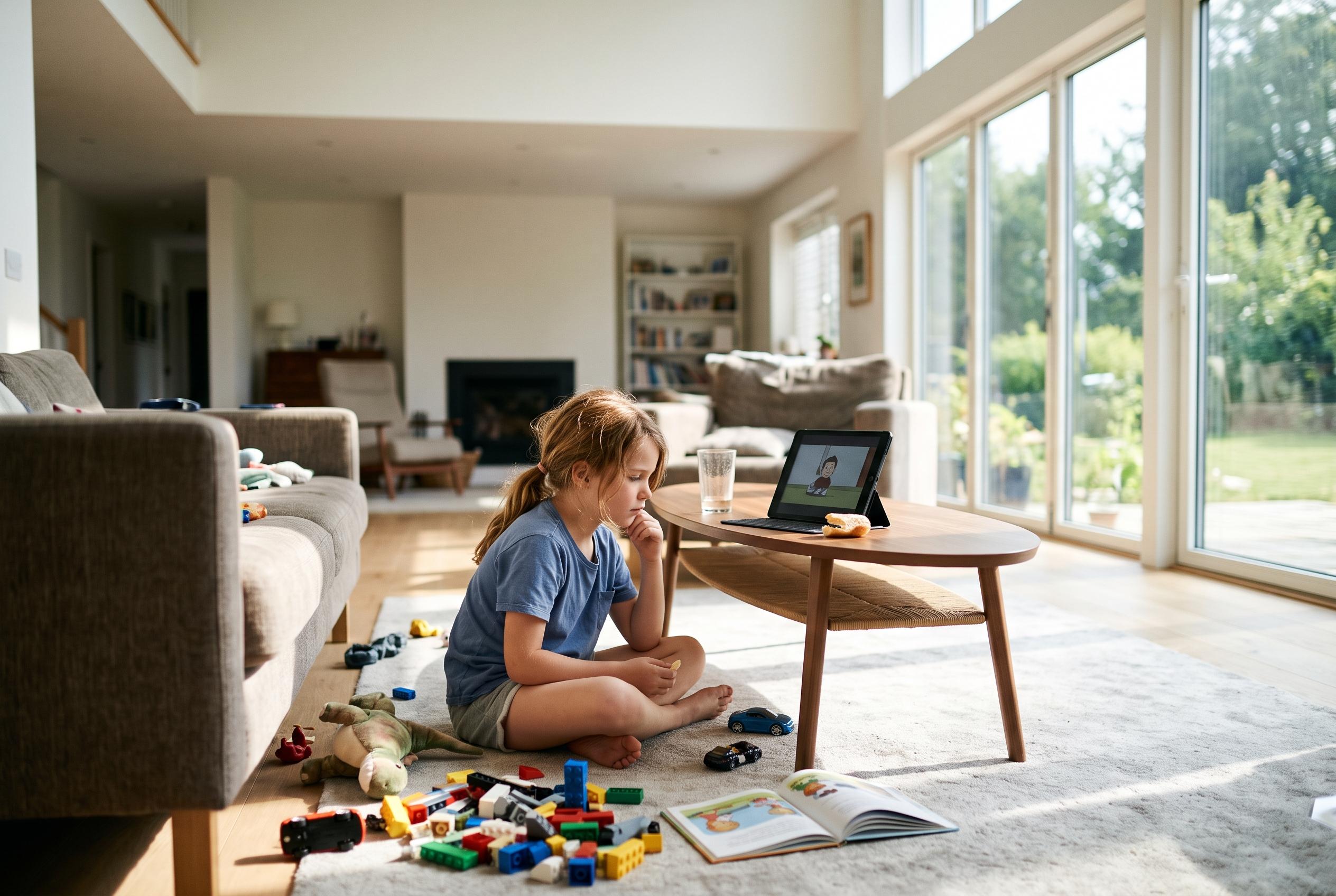

Extended periods of solitude during summer holidays due to routine changes, screen time, and indoor activities can lead to increased feelings of loneliness and affect the emotional wellbeing of young people, experts warn.
Summer break is meant to provide relief from the demands of school and work, but psychologists say too much time spent alone can have the opposite effect, particularly for children, teenagers and young adults. A shift in routine, long hours indoors and heavy use of phones and electronic games can gradually reduce face-to-face contact and leave people feeling cut off from others.
That sense of isolation often grows when daily patterns change. During the holidays, sleep and waking times may drift later, study and work commitments ease, and regular contact with classmates or colleagues falls away. Hot weather can also keep people indoors, while social media and gaming can quietly replace real-world interaction. Psychology Today has noted that summer’s disruption of routine and rising screen time can contribute to social withdrawal and low mood, especially if people stop making time for physical activity and social contact.
The emotional effects can be slow to appear. Prolonged solitude may heighten loneliness, bring on boredom or sadness and reduce motivation to join in with activities that once felt enjoyable. Poor sleep can make matters worse, affecting energy, concentration and mood during the day. Experts caution that isolation does not automatically lead to depression, but it can coincide with a decline in mental health, particularly when it is paired with persistent sadness, appetite or sleep changes, low energy or a sense of worthlessness.
Children and adolescents are especially vulnerable because friendship and regular social contact are central to their emotional development. Parents are urged to watch for signs such as avoiding outings, losing interest in hobbies, becoming easily irritated, sleeping for long periods or spending most of the day in front of screens. A simple daily routine, time outdoors, exercise, family conversation and planned contact with friends can help break the cycle, and even modest activities such as a short walk, a visit with a friend or a shared game at home can make a difference.
Disclaimer: This content is for informational purposes only and is not intended to be a substitute for professional medical judgment, advice, diagnosis, or treatment.