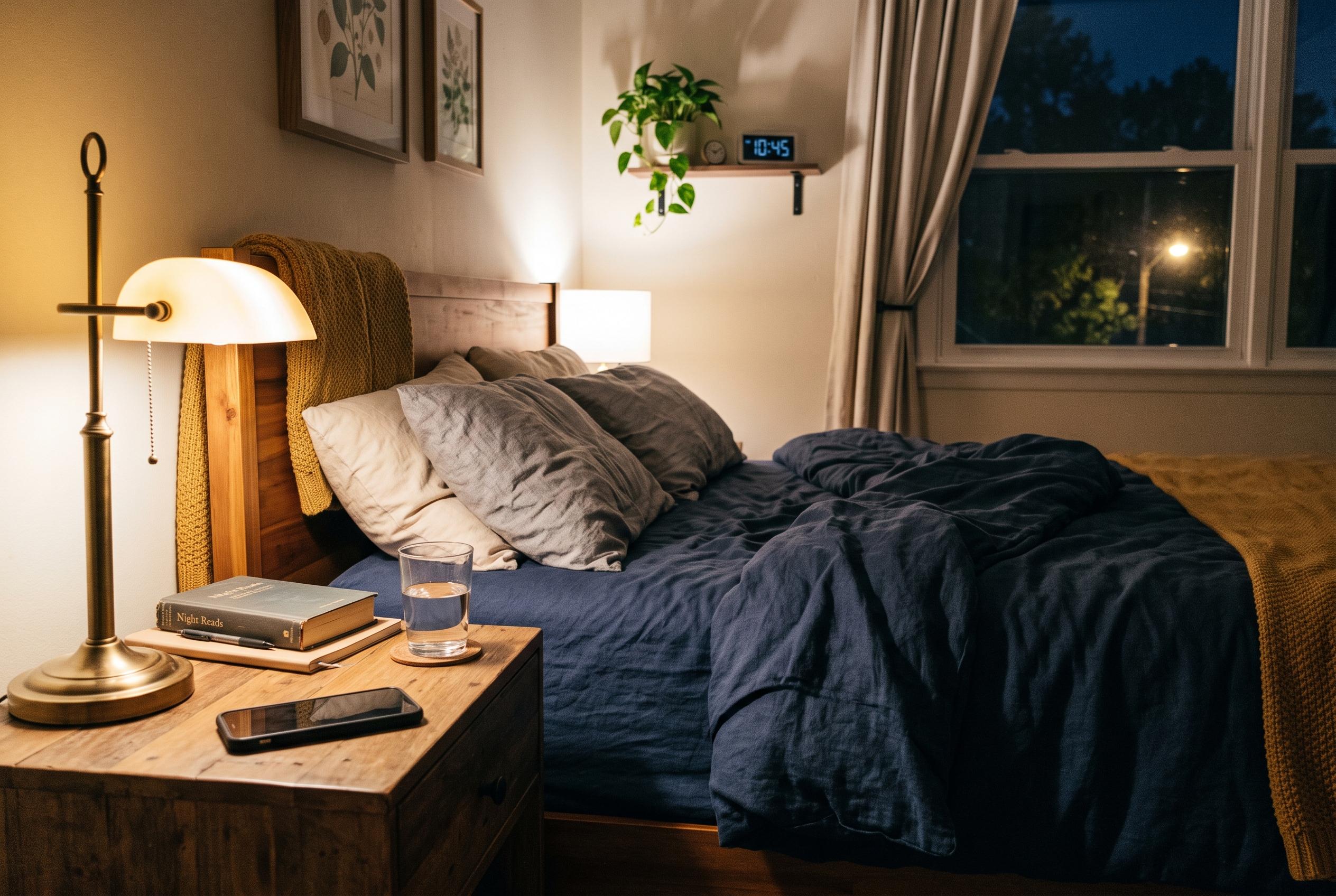

Recent research underscores the detrimental impact of screen use before bed, linking it to poorer sleep quality, fatigue, and mental health issues. Experts emphasise simple precautions to restore restful nights and overall wellbeing.
Devices in the bedroom may feel harmless, but sleep experts and recent studies say the habit can quietly erode rest, concentration and overall health. A 2026 post by Mualimah Amila warned that late-night scrolling, videos and social media can cut into both the length and quality of sleep, while research from TechRadar, Nature and JAMA Network Open points to the same pattern: screens before bed can delay sleep, fragment rest and leave people more tired the next day.
The main problem is not only time lost to the screen. Light from phones, tablets and laptops can suppress melatonin, the hormone that helps regulate the sleep-wake cycle, making it harder to drift off. Interactive content can also keep the brain alert at the very moment it should be winding down. Sleep Foundation guidance says the combination of blue light and mentally stimulating content can push back bedtime and make sleep less restorative.
That matters because poor sleep does not stop at fatigue. Amila’s article linked inadequate rest with weaker concentration, lower energy and worse mental health, including higher risks of stress, anxiety and depression. Broader research supports those concerns: a recent JAMA Network Open study found that 41% of adults used screens before bed, and that the habit was tied to poorer sleep quality and roughly 48 fewer minutes of sleep a week. Another study indexed in PubMed reported a 33% higher prevalence of poor sleep quality among adults who used screens daily before bed.
Some of the most practical fixes are also the simplest. Experts recommend setting a cut-off for device use 30 to 60 minutes before sleep, moving gadgets away from the bed and switching on silent or do-not-disturb settings to reduce temptation. Replacing late-night scrolling with a book, journalling or another calm, screen-free routine can help the body and mind settle more naturally. The message from the research is straightforward: better sleep often starts with keeping the phone out of reach.
Disclaimer: This content is for informational purposes only and is not intended to be a substitute for professional medical judgment, advice, diagnosis, or treatment.