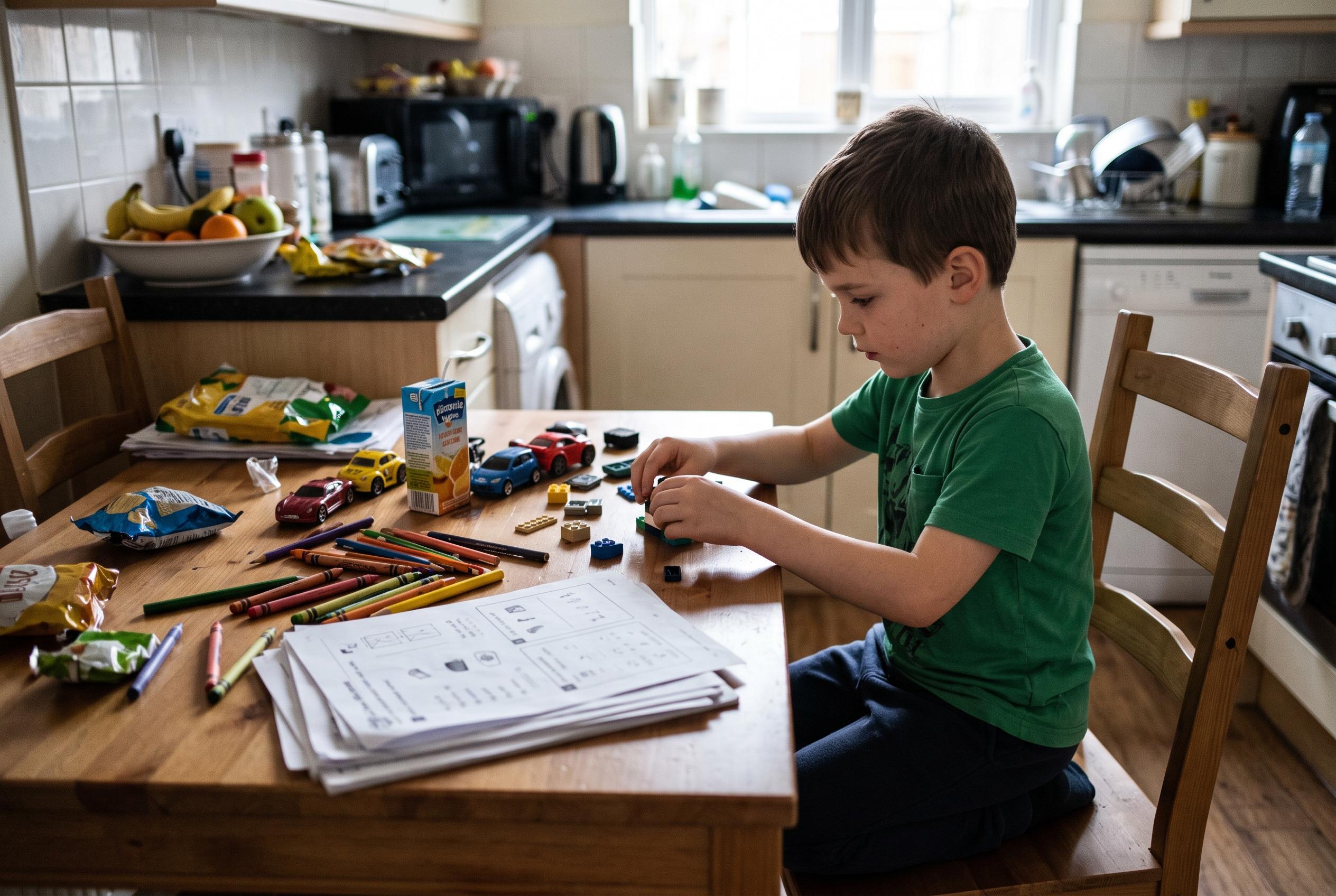

Applying for Supplemental Security Income for children with ADHD now demands detailed documentation of daily life disruptions, with success heavily reliant on demonstrating functional limitations beyond a diagnosis.
Applying for Supplemental Security Income for a child with attention deficit hyperactivity disorder is less about the diagnosis itself than about proving how the condition affects daily life. According to the Social Security Administration, a child must have a medically determinable impairment that creates marked and severe functional limitations and is expected to last at least 12 months or result in death. Because SSI is a needs-based benefit, the agency also looks at household income and resources when deciding whether a child qualifies.
That means parents usually need to build a case with more than a doctor’s label. Legal and psychiatric guidance for families says the strongest applications typically include records showing persistent difficulties at home and at school, along with evidence that the child’s symptoms are affecting learning, behaviour and social development. The Social Security Administration also considers family finances, including parental income and assets, as part of the child’s eligibility review.
Before filing, families are generally advised to collect a broad set of records. These may include medical notes from paediatricians, psychologists, psychiatrists or therapists, ADHD testing, medication histories, school reports, attendance records, Individualised Education Programmes and Section 504 plans, plus teacher observations. Multiple sources can give the agency a clearer picture of how the child functions over time than a diagnosis alone.
Once the application is filed, the Social Security Administration may seek more information from doctors, schools or caregivers. If the file is still thin, it can arrange a consultative examination at the agency’s expense. When the claim is assessed, the agency looks at six areas of functioning: learning and using information, attending and completing tasks, relating to other people, moving and manipulating objects, caring for oneself and physical health and well-being. A child may qualify if there is marked limitation in at least two of those areas or an extreme limitation in one.
Initial denials are common, even for children with significant needs. Advocates and legal guides say that updated medical records, school documentation and detailed statements about daily struggles can strengthen an appeal. Parents who receive a denial should act quickly because deadlines are strict. The practical message from disability specialists is simple: the more clearly the evidence shows how ADHD disrupts everyday life, the stronger the SSI application is likely to be.
Disclaimer: This content is for informational purposes only and is not intended to be a substitute for professional medical judgment, advice, diagnosis, or treatment.