

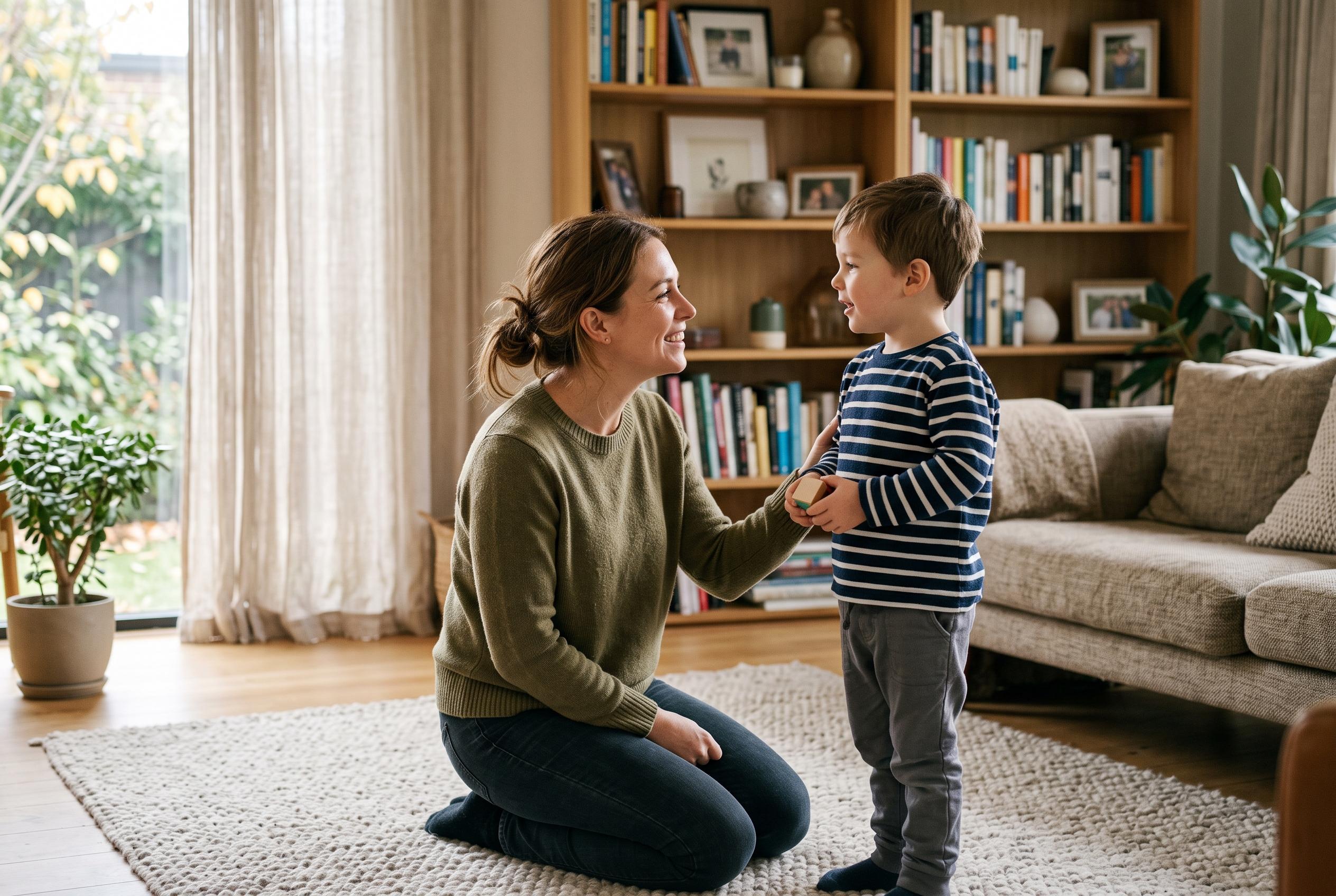

Research highlights the vital role of responsive, trusting relationships between parents and children in fostering cooperation, resilience, and healthy growth, especially during challenging times.
Children are far more open to guidance when they feel close to the adults around them, and the burden of building that bond falls mainly on parents and carers. The central idea is simple: connection makes children more willing to listen, share what is going on in their lives and accept influence. That emotional safety also supports cooperation, resilience and healthy development.
The importance of that relationship becomes clearer when family life is under strain. Illness, money worries, separation, divorce, mental ill health and other pressures can interrupt the steady reassurance children need. Harvard’s Centre on the Developing Child has long stressed the value of responsive, back-and-forth interactions, often described as “serve and return”, because they help shape a child’s social, emotional and cognitive growth. The CDC likewise advises parents to use eye contact, body language and active listening to show empathy and safety.
Practical connection often starts with how adults respond in difficult moments. Listening without rushing to correct, staying calm when a child is angry and separating feelings from behaviour can all reduce conflict and preserve trust. Therapists quoted by the Family Partnership also stress that parents should normalise mistakes and practise repair, rather than treating friction as proof that the relationship is broken. The point is not perfect parenting, but a consistent willingness to re-engage.
The article also argues that children need help understanding vulnerability, difference and media messages. Boys, in particular, may be discouraged from showing hurt or fear, yet the piece says they need safe places to express those feelings without shame. Girls, meanwhile, may need adults who reinforce competence, healthy risk-taking and the idea that worth is not defined by appearance. Across both, the message is to notice strengths, encourage empathy and help children think critically about stereotypes, violence and discrimination in culture and media.
That theme extends beyond childhood. Parents who remain curious, present and willing to be influenced by their children are, in effect, modelling the kind of mutual respect that healthy relationships require later in life. The article points to research and education work showing that children learn better when at least one caring adult is consistently available. In the end, the lesson is not complicated: before asking how to make a child obey, it may be wiser to ask how connected that child feels.
Disclaimer: This content is for informational purposes only and is not intended to be a substitute for professional medical judgment, advice, diagnosis, or treatment.



