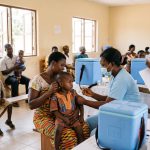

The rapid increase in GLP-1 prescription for children aged 8 to 11, despite lack of approved guidelines, highlights growing clinical practice ahead of regulation and potential disparities in access.
More than 20,000 US children aged 8 to 11 have been prescribed GLP-1 obesity medicines since 2019, even though no drug in the class is approved by the Food and Drug Administration for weight management below age 12. The new figures suggest paediatric practice is moving faster than regulation as clinicians look for options for some of the sickest children with obesity. (biospace.com)
The study, published online in Pediatrics on 4 September 2026, analysed records for more than 3.5 million children with obesity but not diabetes in Epic Cosmos, a database spanning more than 300 million patients at 2,067 hospitals and 47,100 clinics. NYU Langone said it was the first national overview of prescribing in children aged 8 to 11, and it compared them with adolescents aged 12 to 17. (nyulangone.org)
Researchers found prescribing among 8-to-11-year-olds rose from 0.03 per cent in 2019 to 9.3 per cent by June 2026, a 310-fold increase. Even so, NYU’s release said only about 0.6 per cent of younger children with obesity had received a GLP-1 prescription across the study period, compared with 0.9 per cent of adolescents. During those 7.5 years, 20,282 children in the younger group were given the drugs, most commonly Wegovy, but also Saxenda and Zepbound. (nyulangone.org)
The medicines were overwhelmingly being used in children with serious health burdens. BioSpace’s reproduction of the study details said 93.7 per cent had severe obesity, 65.2 per cent had at least one related condition such as high blood pressure, high cholesterol or sleep apnoea, and one quarter were prediabetic. Girls were more likely than boys to receive prescriptions. (biospace.com)
That does not mean specialists see GLP-1s as a routine answer. American Academy of Pediatrics guidance says clinicians may offer weight-loss pharmacotherapy to children aged 8 to 11 as an adjunct to behavioural and lifestyle treatment, but NYU endocrinologist Rachel Pessah-Pollack, who was not involved in the study, told CBS Mornings in June: “We’re really tailoring it to the individual person and the family, but this is not a mainstream practice.” CBS New York reported that the study authors likewise said medication should sit alongside changes to diet and exercise. (publications.aap.org)
Babak Orandi, the study’s lead author, told CBS New York that the pace of change had startled him: “I just wasn’t expecting the increase to be quite this dramatic.” Yet he has also argued that untreated childhood obesity carries heavy long-term risks. MedicalXpress, which carried the NYU findings, highlighted his warning that the consequences can include diabetes, high blood pressure and liver disease later in life. (cbsnews.com)
The paper also points to who is being left behind. Children living in higher-income communities were 55 per cent more likely to receive the medicines, despite obesity being more common in lower-income areas, CBS reported. Allan Massie, a co-senior author, said the pattern already suggested a widening gap in access and argued that doctors and policymakers had a duty to ensure costly treatment did not remain confined to families with insurance and access to specialist paediatric clinics. (cbsnews.com)
What happens next will depend on evidence that does not yet exist. Orandi said longer-term monitoring is needed, and both MedicalXpress and The Independent reported that trials are already under way in children as young as six. The Independent also pointed to a 2024 New England Journal of Medicine trial showing liraglutide was safe and effective in children aged 6 to younger than 12 when combined with lifestyle interventions. (nyulangone.org)
The medical debate is unfolding alongside a social one. In a South Carolina report carried by AOL, family physician Chandler Brandenburg said more than half the teenagers she sees are worried about their weight and that medication is often viewed as a quick fix. She said she would usually recommend diet and lifestyle changes first, adding that there is still limited evidence on how to stop treatment in young people without weight regain. (aol.com)
Disclaimer: This content is for informational purposes only and is not intended to be a substitute for professional medical judgment, advice, diagnosis, or treatment.