

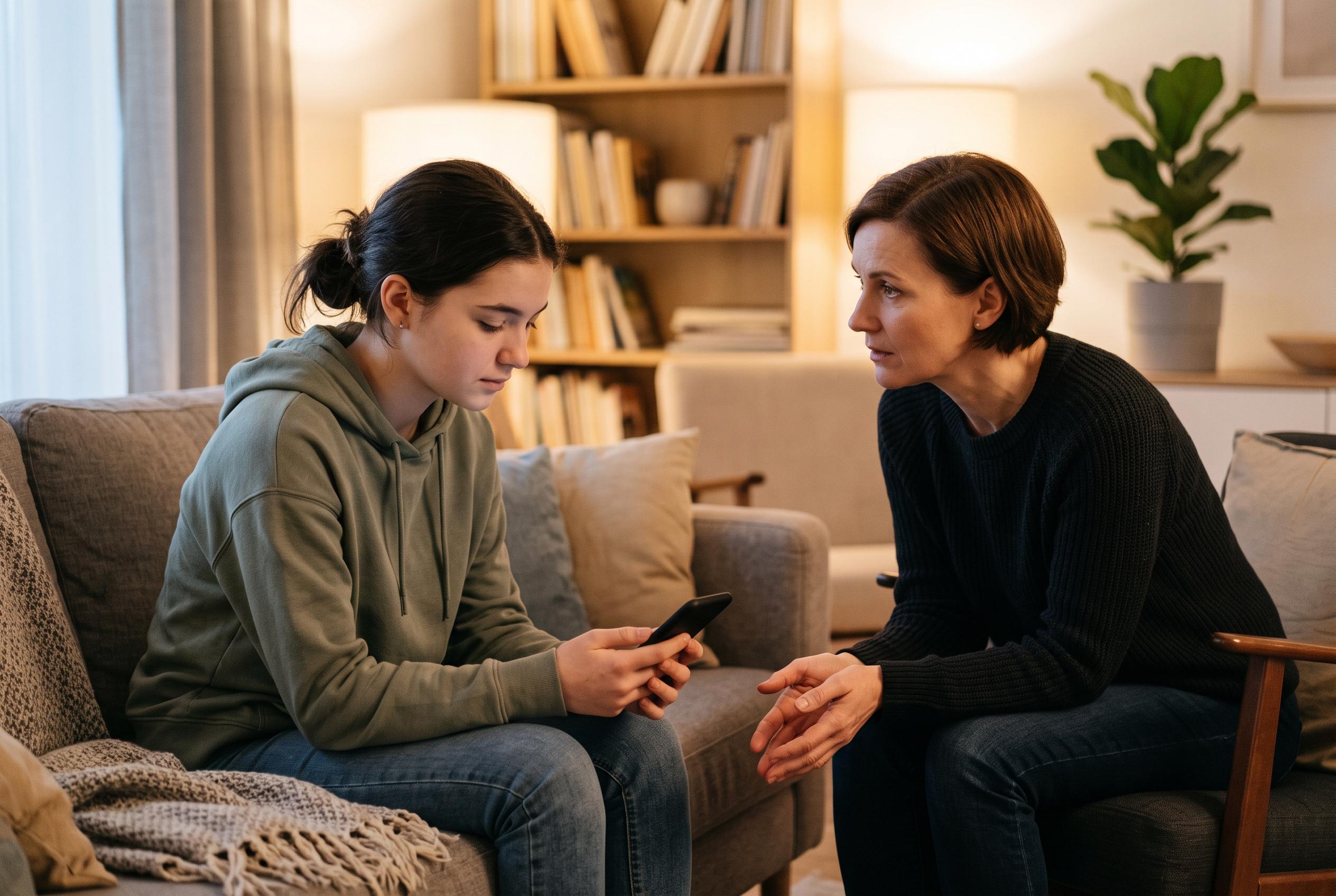

As teenagers increasingly turn to AI chatbots for emotional support amid mental health service shortages, experts warn of potential risks and the need for balanced, human-led care.
Teenagers are increasingly leaning on AI chatbots for emotional support, often without telling parents, teachers or friends, as pressure on youth mental health services grows and access to human care remains uneven. Research from Brown University found that about one in eight adolescents had used a chatbot for mental health advice, and the researchers told EdSource that use appears to have risen sharply since the study was published in November 2025. The Guardian later reported that the share may be closer to one in four teenagers, while Science News said nearly one in five adolescents and young adults have sought mental health advice from AI tools.
For Liliana Messinger, the turn to machines began years before today’s generative chatbots became mainstream. As a child in San Diego, she faced family upheaval, panic attacks and a steep drop in her school life, and she struggled to explain what was happening to the people around her. Rather than asking an adult the questions she was too embarrassed or afraid to raise, she used early voice assistants and chatbots to make sense of her feelings. What drew her in, she said, was not expertise but availability: the sense that the system would always answer, always listen and always seem to validate what she was saying.
That appeal, researchers and advocates say, helps explain why some teenagers now use AI as a first stop for private worries. Brown University’s Ateev Mehrotra said the speed of adoption surprised him, while mental health professionals interviewed by other outlets have pointed to the same combination of access, anonymity and immediate response. Yet those same qualities can deepen dependence. Messinger described the experience as a kind of toxic relationship, returning to chatbots when life felt harder and then stepping away before going back again. She said the interaction could make her feel understood without risk of being judged, which is part of why it was so hard to stop.
Parents and child advocates are more alarmed by what chatbots cannot do. Keri Rodrigues, president of the National Parents Union, warned that AI systems are not mandated reporters and cannot replace the human responsibility of noticing when a young person is in danger. She also argued that reliance on chatbots may crowd out the difficult but necessary work of turning to a trusted adult. At the same time, Brown researchers and other experts say the technology may still matter in a system where many young people cannot get care at all. In California, the school counselling shortage remains severe, with roughly one counsellor for every 432 students, far above the ratio recommended by the American School Counsellor Association, and federal funding cuts have threatened to make that gap worse.
Messinger, now 18, has started to move towards a different balance. She says she no longer sees AI as a confidant and tries to use it only for practical tasks. With weekly therapy now available, she is preparing to begin at San Diego City College and hopes to train as a nurse. Her experience reflects the central tension around teen use of chatbots for mental health support: the tools can feel immediate and approachable, but researchers and advocates alike say they cannot substitute for the care, judgement and accountability of a person.
Disclaimer: This content is for informational purposes only and is not intended to be a substitute for professional medical judgment, advice, diagnosis, or treatment.



