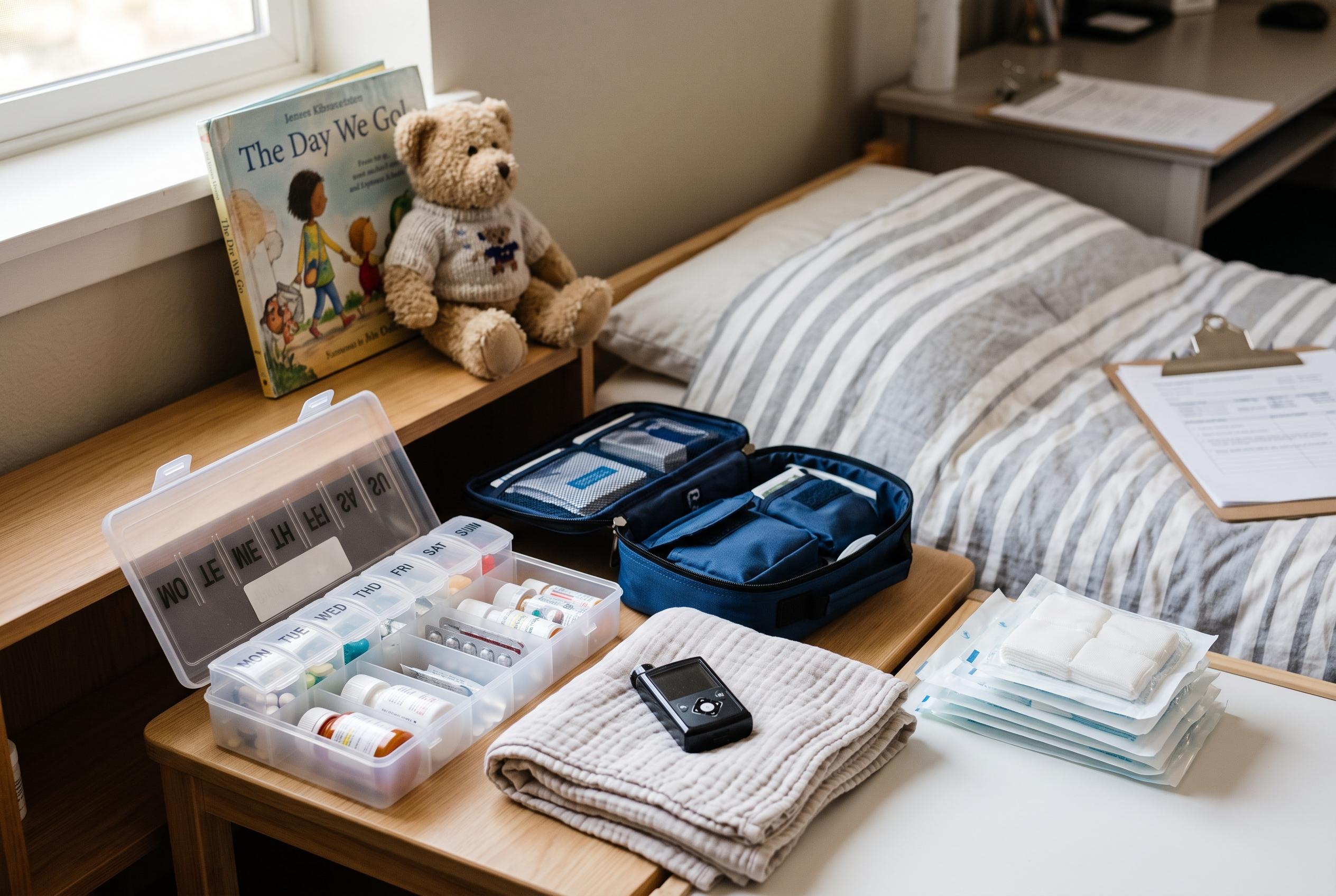

A recent study reveals children with complex medical needs are disproportionately investigated for neglect, prompting calls for a more nuanced, family-centred approach from clinicians before reporting concerns.
Children with complex chronic conditions are far more likely to end up in child welfare investigations for medical neglect than for basic needs concerns, according to a new analysis published in Pediatrics that adds urgency to calls for a more careful, family-centred approach before clinicians make a report.
The study, led by researchers at Boston Children’s Hospital and Children’s Mercy in Kansas City, examined linked child protective services and Medicaid billing records for more than 610,000 children under 18 in Kentucky and Florida between 2017 and 2020. It found that nearly 9% of the children had at least one complex chronic condition, such as tracheotomy dependence, congenital heart disease or neuromuscular disorders. Nearly two-thirds received that diagnosis in the year before their first report to welfare agencies, suggesting that increased medical contact may shape how these families are seen.
In the analysis, children reported for medical neglect were more than four times as likely to have a complex chronic condition as those reported for basic-needs neglect. Children younger than 1 had more than 12 times the odds of having such a condition as adolescents aged 12 to 17. The researchers said the pattern may reflect surveillance bias, since children with serious medical needs are seen more often in healthcare settings and therefore have more opportunities for concerns to be flagged.
The findings fit with earlier research showing that children with medical complexity are heavily represented in the child welfare system. A 2021 chart review found that nearly one-quarter of 208 children studied had documented child welfare contact, most often for neglect, while work published in 2013 also found substantial overlap between chronic health conditions and child welfare investigations. More recent studies have highlighted how difficult it remains for agencies to define, track and support this population consistently.
In an accompanying editorial, Rebecca Seltzer, an associate professor of paediatrics at Johns Hopkins School of Medicine in Baltimore, urged clinicians to understand the pressures on families before assuming missed appointments or treatment lapses amount to neglect. She said doctors are often too quick to overlook the scale of what parents are being asked to manage at home without enough support.
Primary care clinicians should, she and other experts said, screen routinely for barriers such as transportation problems, insurance gaps, home accessibility, caregiver fatigue and limited social support. Wendy Lane, a paediatrics professor at the University of Maryland School of Medicine, said missed appointments or poor weight gain often reflect the practical burden of coordinating care for children who may depend on wheelchairs, ventilators and multiple specialists. Rather than moving straight to a report, she said, clinicians should work with families to identify what help is needed and connect them with resources such as Medicaid waivers, family support centres, nurse case managers and social workers.
The American Academy of Paediatrics recommends that clinicians make sure caregivers can obtain treatment, understand medical advice and appreciate the consequences of not following it before reporting concerns. Even then, experts said, reporting remains appropriate when reasonable efforts have failed and the child is still at risk. Lane said families should be told when a report is made, both because it is legally required and because it may help them access services. Seltzer added that care plans should be reviewed regularly to ensure they are still safe, realistic and workable for daily life.
Disclaimer: This content is for informational purposes only and is not intended to be a substitute for professional medical judgment, advice, diagnosis, or treatment.