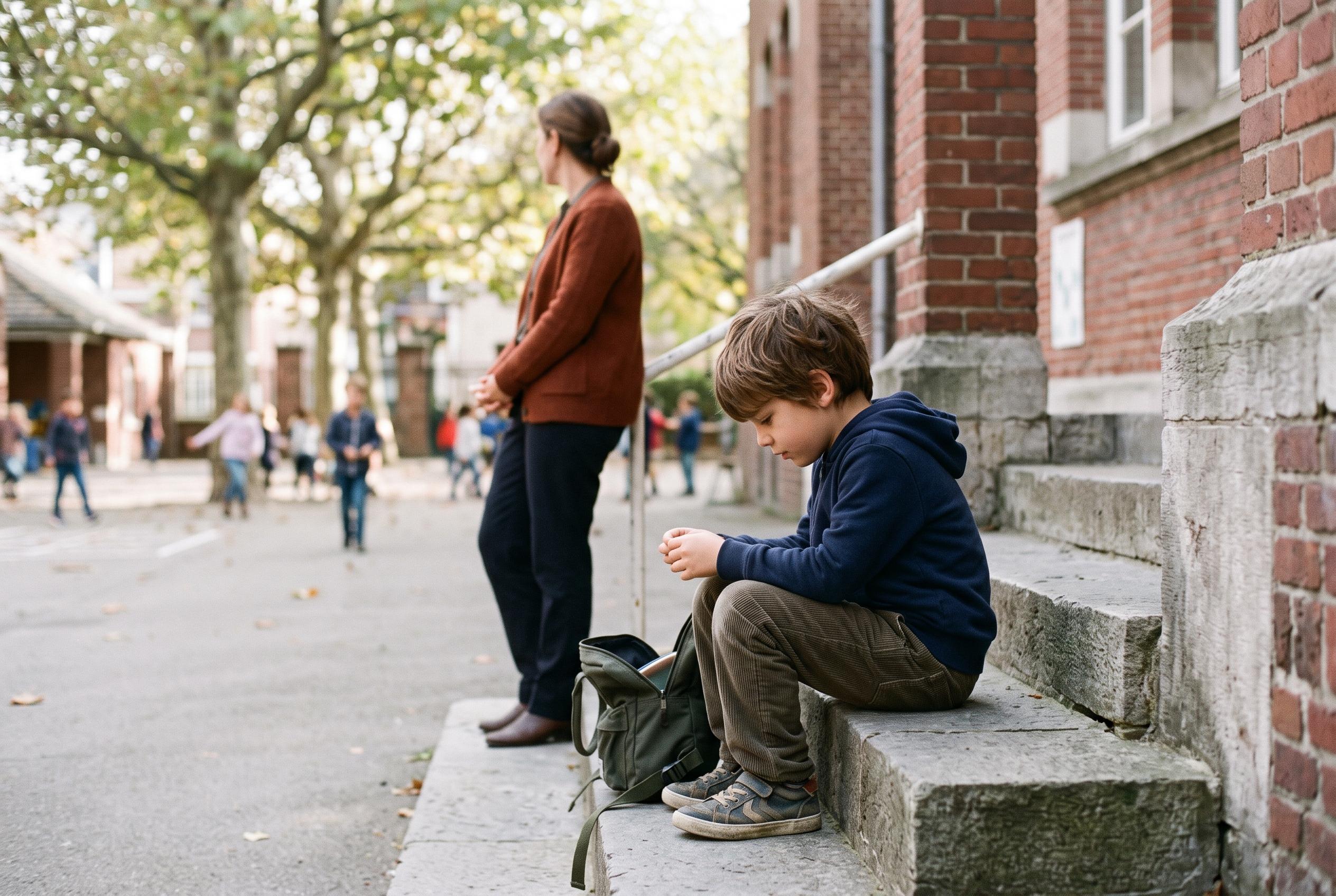

Children refusing to attend school often face underlying anxiety, social difficulties, or academic pressure. Experts advise gentle conversation and early professional intervention to support affected children and encourage a safe return to the classroom.
Children who resist going to school are often doing more than trying to dodge a test or a difficult lesson. According to the original report from Nezavisne, repeated morning tears, stomach pains and pleas to stay at home can be signs that something at school has become overwhelming. The Cleveland Clinic and Harvard Health both note that school refusal is usually rooted in anxiety or distress rather than laziness or simple defiance. Children may not have the words to explain what is wrong, so the problem can surface as headaches, nausea, fatigue or anger.
The causes are often mixed. Some younger children struggle with separation from a parent or with the fear that something will happen at home while they are away. Older children may feel crushed by academic pressure, the risk of failure or the worry of speaking in class. Harvard Health says school refusal can show up as lateness, early departures or complete absence, while the Kids Mental Health Foundation points to learning difficulties, depression, ADHD and undiagnosed learning problems as possible contributors. Children’s Hospital Colorado also stresses that social difficulties and academic struggles can lie underneath the refusal.
Peer problems can make the experience even harder. The Nezavisne report notes that exclusion, teasing and bullying can turn school into a place a child dreads each day, and Mumsnet adds that trauma, bereavement, parental separation and special educational needs can all add to the strain. Children may seem fine at home, but that can be misleading: once the pressure of school is removed, the anxiety often eases quickly, which can make the child feel better in the short term while reinforcing the habit of avoidance.
Experts say the most useful response is calm, steady and curious. Cleveland Clinic advises parents to speak with children at a quiet time rather than in the middle of a rushed school morning. Questions such as what part of the day feels hardest, whether a particular lesson or friendship is causing trouble, or what might make the next morning easier can open the door to a more honest conversation. Harsh remarks or repeated threats usually make children withdraw further.
Working with the school matters too. The Nezavisne article recommends involving a class teacher, school counsellor or psychologist to build a fuller picture of what is happening. Harvard Health and Children’s Hospital Colorado both say that early intervention works best, especially when adults identify the trigger and help the child face school in gradual steps. A child who makes it to class, speaks about a worry or asks for help deserves recognition for the effort, not just attention for the absence.
Professional support should come sooner rather than later if the refusal lasts, grows worse or begins to affect family life and daily routines. Cleveland Clinic and the Kids Mental Health Foundation advise seeking help when school anxiety is paired with sleep problems, repeated physical complaints, low mood or social withdrawal. The Nezavisne report also points parents towards the “Plavi telefon” support line. The aim is not to force a child through fear, but to help them feel safe enough to return. Often the first step is simply letting the child know that the adults around them believe the struggle is real.
Disclaimer: This content is for informational purposes only and is not intended to be a substitute for professional medical judgment, advice, diagnosis, or treatment.