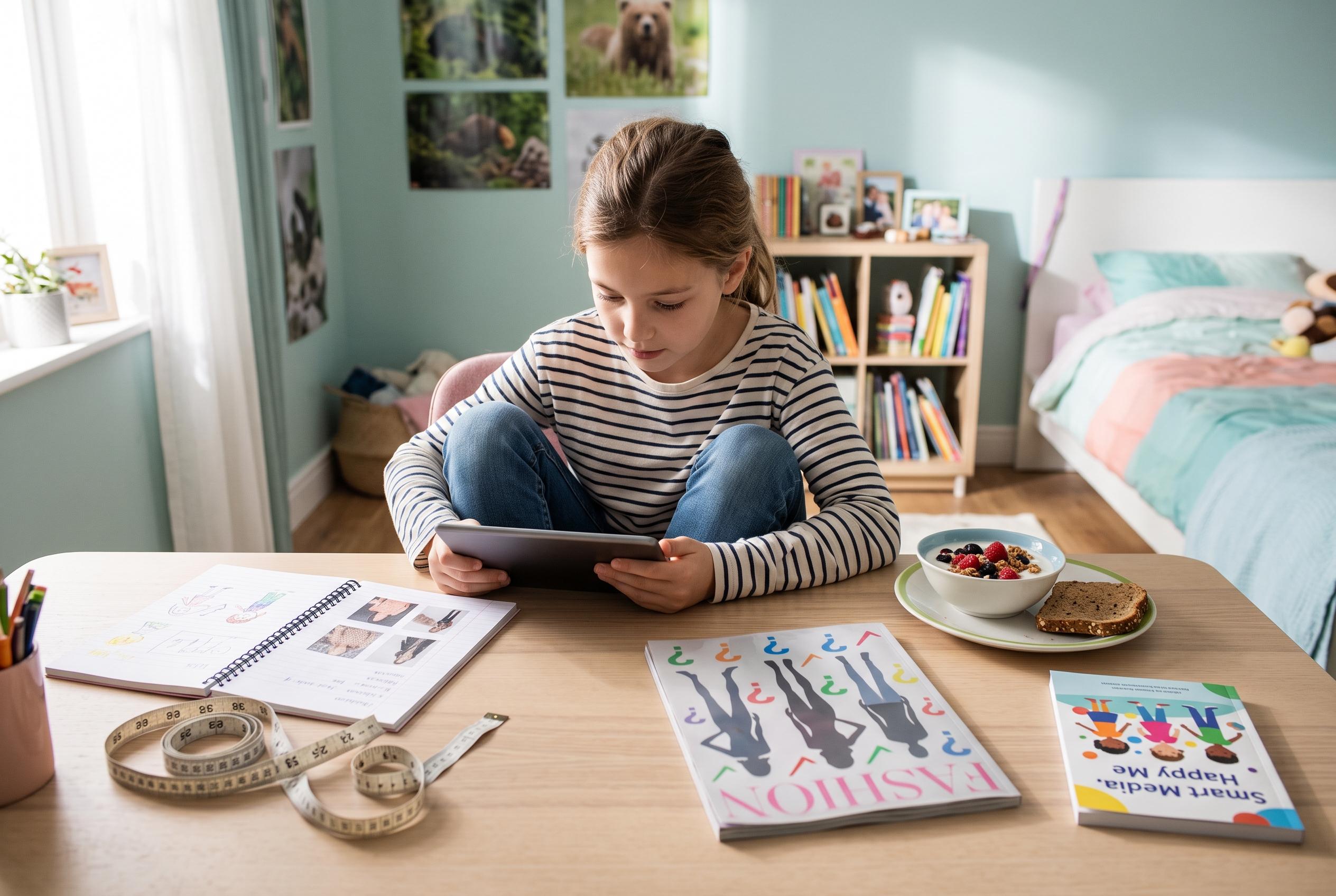

Experts warn that the spotlight on ultra-thin celebrity physiques, amplified by social media, risks shaping harmful beauty standards among children and teenagers, emphasising the importance of media literacy and early intervention.
The renewed fascination with ultra-slim celebrity bodies is drawing concern from specialists who work with children and teenagers, who say the trend can shape how girls see themselves and what they believe is desirable. The recent reaction to Ariana Grande’s changing appearance, along with similar scrutiny of Jenna Ortega, Lily Collins and the South Korean singer Kim Chae-won, reflects how quickly social media can turn weight loss into a public spectacle. Research has long suggested that repeated exposure to thin body ideals can be absorbed by pre-adolescent girls and raise the risk of disordered eating later on.
Eva Trujillo, an eating-disorders specialist, says seeing a very thin body does not by itself trigger an eating disorder, but it is not neutral either. Studies have found that media exposure can strengthen the internalisation of thinness as the standard of beauty, while peer comments can deepen body dissatisfaction and intensify the effect of those images. In practice, that means a celebrity photograph may be only one factor among many, but it can still act as a prompt for vulnerable girls already under pressure to look a certain way.
Maria Mendiola, a psychotherapist, says adolescence is a particularly sensitive period because identity is still being formed and the body becomes part of that identity. Academic research backs that up: one study found that preoccupation with thinness and social pressure were strong predictors of eating disorders in adolescent girls, and that these pressures can appear earlier than many parents realise. Other research has linked advertising and wider sociocultural pressure to thinness with body distress and disrupted eating attitudes, reinforcing the idea that the problem is bigger than any single image on a screen.
That is why specialists say the discussion should move away from celebrity gossip and towards prevention. They argue that adults should help girls understand that bodies change, that online images are heavily curated, and that popularity, beauty and happiness are not tied to a single shape. Researchers have also pointed to the value of media literacy programmes and early intervention, especially in schools and families, where the first signs of body dissatisfaction can be easier to spot and address.
Disclaimer: This content is for informational purposes only and is not intended to be a substitute for professional medical judgment, advice, diagnosis, or treatment.