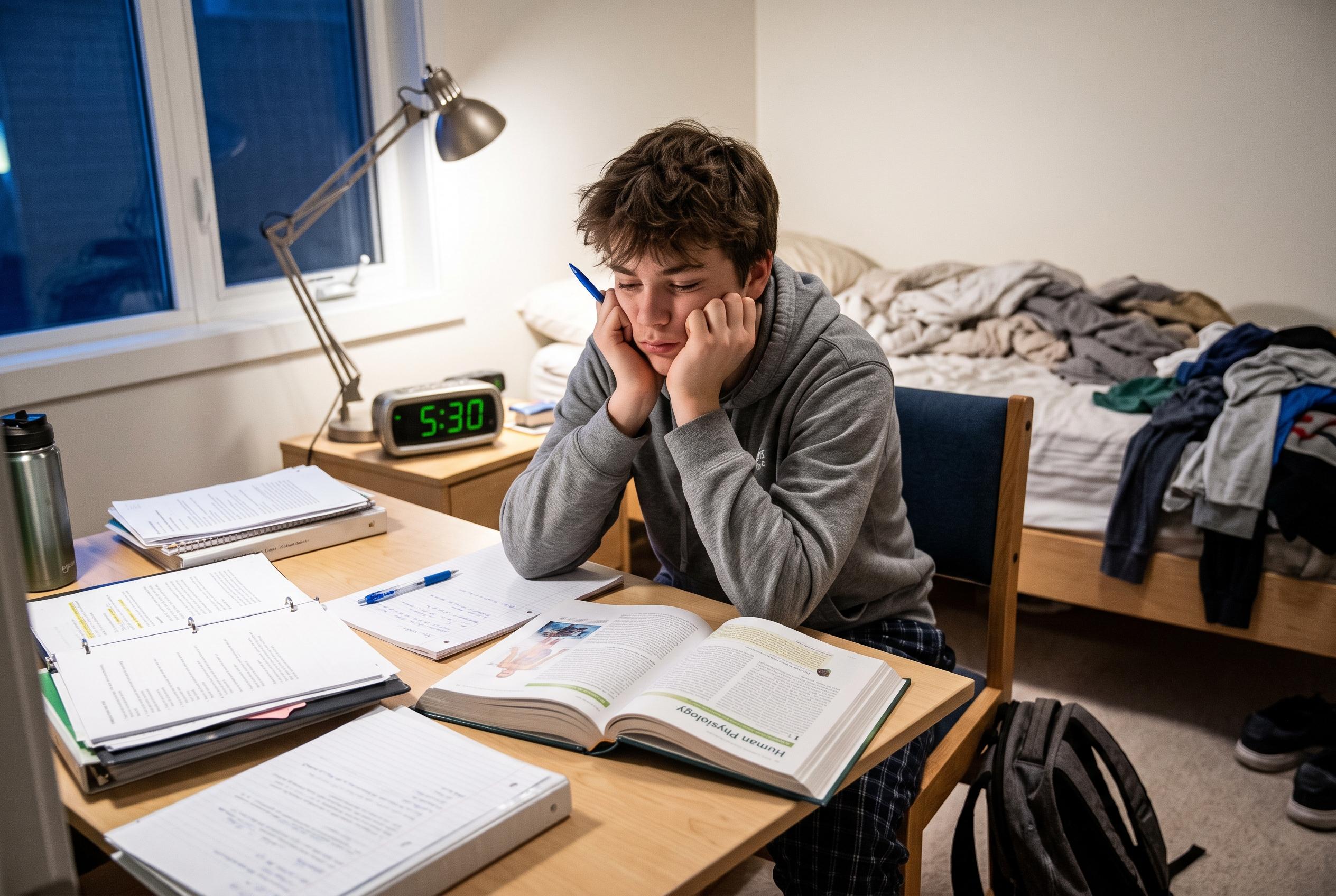

As the new school term begins, an increasing number of teenagers with obstructive sleep apnoea face disrupted sleep and declining academic and social performance, prompting calls for heightened awareness and treatment.
As the new school year approaches, sleep is often the first thing to suffer. For teenagers, though, it is not a luxury. The American Academy of Sleep Medicine and the Centers for Disease Control and Prevention both say 13- to 18-year-olds need 8 to 10 hours a night, a range that supports learning, mood, growth and overall health.
That advice matters even more for teens with obstructive sleep apnoea, a disorder in which the airway repeatedly closes during sleep. The Sleep Foundation says those breathing pauses can happen dozens, or even hundreds, of times a night, leaving young people with broken sleep, lower oxygen levels and persistent tiredness. In teenagers, that can show up as trouble concentrating, irritability, headaches, declining grades and even being mistaken for having behavioural or attention problems.
The move from summer to term-time can intensify the strain. Earlier wake-up times, heavier homework loads and after-school sport leave little room to recover from poor sleep. For a teen whose nights are already interrupted, that can affect attendance, classroom focus, test results and social life as well as physical energy.
Doctors typically look for sleep apnoea with a sleep study, also known as polysomnography, which records breathing and other body signals overnight. Treatment depends on the cause and may include CPAP therapy, weight management when appropriate, orthodontic treatment, surgery to remove enlarged tonsils or adenoids, positional therapy and better sleep habits. The right approach should be guided by a qualified healthcare professional.
Parents are often urged to watch for loud snoring, breathing pauses, gasping at night, trouble waking, daytime sleepiness and falling asleep during class or homework. Consistent bedtimes, less evening screen use, a cool and dark bedroom and avoiding caffeine late in the day can help, but persistent symptoms should prompt a medical review. For many teens, getting sleep apnoea treated can improve mood, energy, memory and school performance.
Disclaimer: This content is for informational purposes only and is not intended to be a substitute for professional medical judgment, advice, diagnosis, or treatment.