

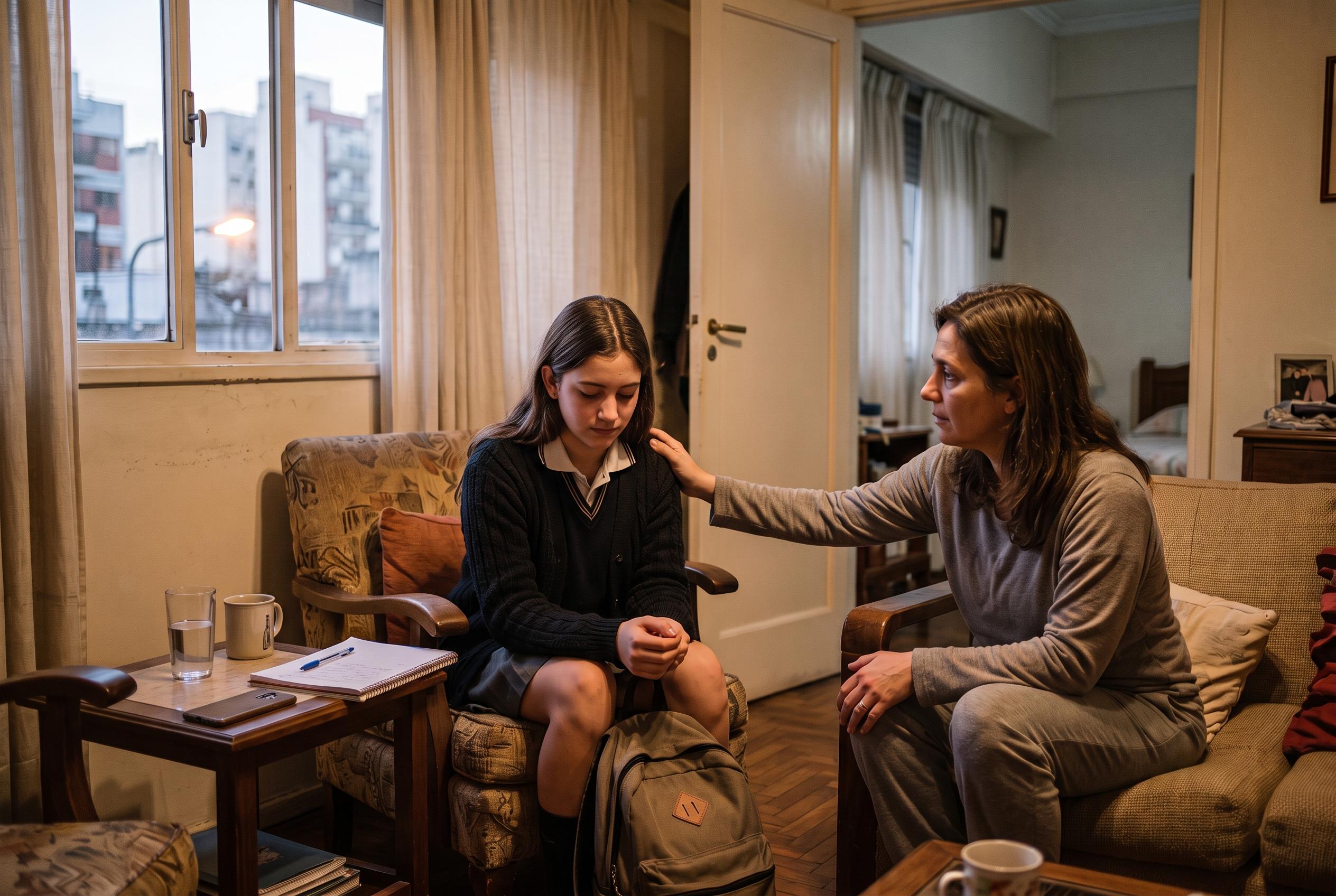

Hospitalisations for psychiatric issues among children and adolescents in Buenos Aires have surged by 15% over three years, with teenage girls disproportionately affected, highlighting urgent needs for early intervention and family support.
Psychiatric admissions of children and adolescents in Buenos Aires linked to suicide risk have risen sharply over the past three years, according to the city’s Public Tutelage Ministry, underscoring a deepening mental health crisis that is affecting girls in particular and reaching into younger age groups. The ministry’s 2023-2025 triennial report found a 15% increase in such hospitalisations, with more than half of the cases concentrated in the southern communes of the capital.
The figures show how heavily the burden falls on adolescent girls. According to the report, 74.4% of admissions involved females, and roughly half of those patients were between 13 and 15 years old. Infobae, citing the same official data, said the pattern points to a problem that is not only growing but also shifting towards earlier ages, with families and health workers facing a rising number of severe cases among younger teenagers.
The most common reason for admission was persistent suicidal ideation, which accounted for 54.3% of cases. A further 36.3% involved suicide attempts, while 9.4% were tied to self-harm. The ministry said 1,876 of the 3,135 hospitalisation reports collected over the period were associated with suicide risk. It also warned that the system is seeing a revolving-door effect: about one in ten patients discharged after treatment is later readmitted at least once.
The report also highlights a pattern that raises concern about what is happening inside homes. Six in ten suicide attempts among younger patients involved taking an overdose of medicine, prompting officials to urge families to keep blister packs locked away, avoid taking pills in front of children and reject the harmful idea that brightly coloured tablets are harmless. The ministry said the findings call for stronger prevention efforts, especially in homes where access to medication is easy.
Carolina Stanley, the Public Tutelage attorney general, said the response must begin well before a crisis reaches the emergency room. She said institutions need to listen earlier, detect warning signs and offer support without judgement, noting that bullying, family conflict and social isolation can all contribute to risk. Andrés Tate, a psychiatrist on the ministry’s mental health team, said mental health care for children and adolescents is a shared responsibility involving families, the state and the wider community. Pilar Molina, the agency’s secretary-general, said the ministry’s role goes beyond overseeing hospital care and includes workshops, rights education and support designed to help young people reconnect with their communities after discharge.
The authorities also reminded residents that free and confidential help is available. In Buenos Aires and greater Buenos Aires, the suicide prevention helpline can be reached on 135. The city’s Salud Mental Responde service is available on 4863-8888 and 4861-5586, while the emergency number 107, operated by SAME, is open 24 hours a day.
Disclaimer: This content is for informational purposes only and is not intended to be a substitute for professional medical judgment, advice, diagnosis, or treatment.



