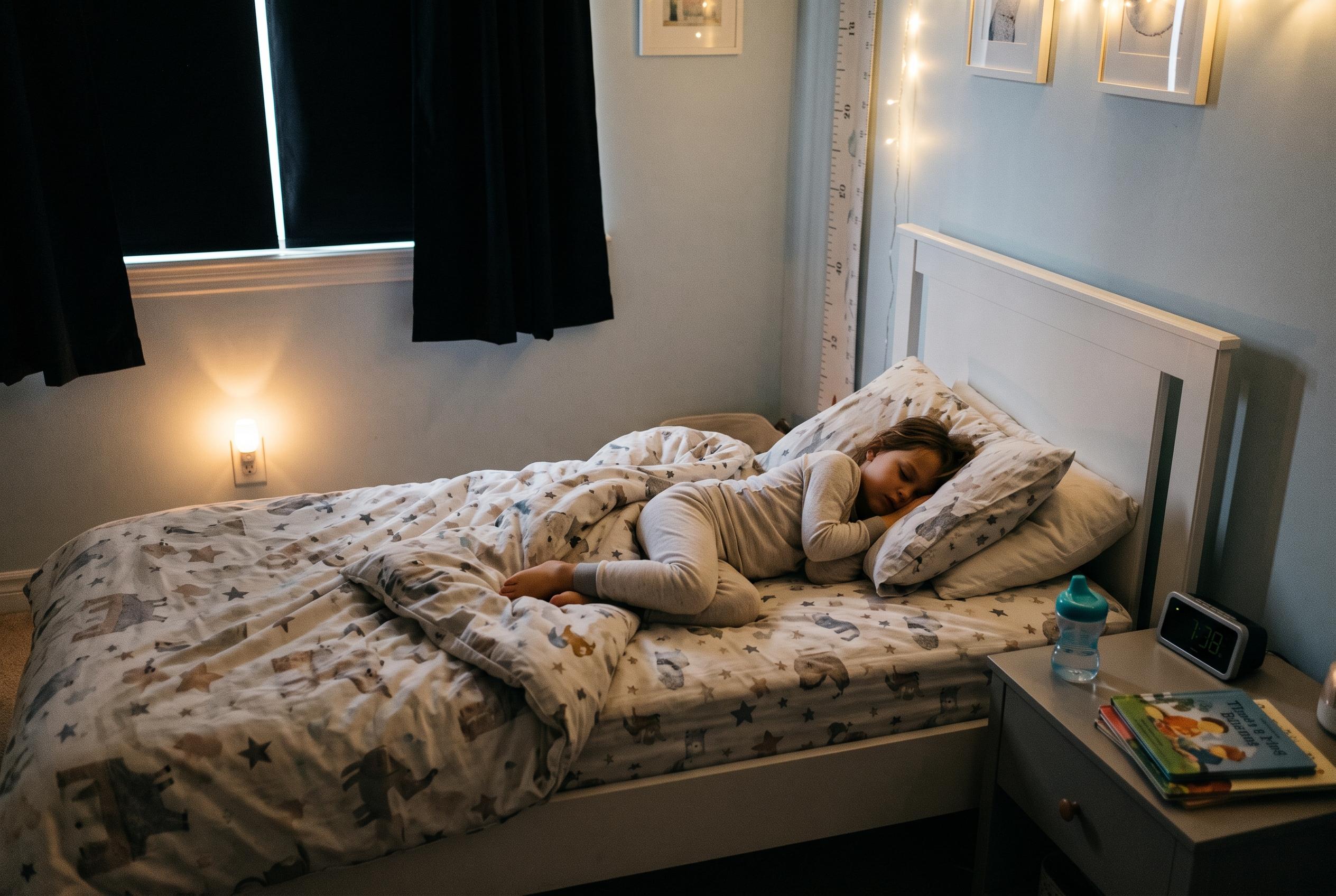

Misdiagnosed sleep disruptions are common in the US, with tailored strategies, behavioural treatments, and understanding the causes crucial for restoring restful nights and reducing health risks.
Waking in the middle of the night is often treated as a simple failure of sleep discipline, but the real issue is usually misdiagnosis. A person who wakes at 2 a.m. after a stressful day, a traveller whose body clock has drifted and someone aroused by breathing trouble are not dealing with the same problem, even if they are all staring at the same dark ceiling. That distinction matters because the wrong fix can keep the cycle going.
The scale of poor sleep in the United States makes the issue more than a personal inconvenience. The Centers for Disease Control and Prevention says adult sleep shortfalls vary widely by state, from 30% in Vermont to 46% in Hawaii in 2022. The CDC also says adults aged 18 to 60 should get at least 7 hours a night, while the Sleep Foundation estimates that 35% of U.S. adults average less than that. It adds that insufficient sleep costs the country more than $411 billion a year through lost productivity, safety risks and health care expenses.
That context helps explain why generic advice so often disappoints. The moment after a wake-up is not the time to wage war with the night. The first goal is to lower stimulation: stay still, keep the room dark, avoid checking the phone and use slow breathing with a longer exhale than inhale. If heat seems to be part of the problem, a cooler room or a cool cloth on the face may help. The point is not to force sleep, but to make wakefulness less rewarding.
Behavioural treatment can go further when insomnia has become a pattern. Harvard and Johns Hopkins both recommend stimulus control, which means leaving the bed after about 20 minutes awake and returning only when sleepy. Sleep restriction, another core CBT-I method, narrows time in bed so the brain stops associating the mattress with frustration. A peer-reviewed review found it can improve sleep efficiency and reduce the time it takes to fall asleep, which is why it is often more effective than generic sleep hygiene advice alone.
Wearables can also help identify what kind of wake-up is happening, even if they cannot diagnose the cause. A drop in heart rate variability with a spike in resting heart rate can point to stress arousal. Repeated awakenings with noisy breathing patterns can raise concern about sleep-disordered breathing. Later-night awakenings may suggest alcohol, medication timing or circadian mismatch. Used carefully, that data can turn a vague “bad night” into a clearer pattern.
Short-term aids can be useful, but only when matched to the right problem. Magnesium glycinate, glycine, apigenin and L-theanine are often used for calming support, while small amounts of melatonin are more about circadian timing than middle-of-the-night rescue. Sedating antihistamines may help someone fall asleep, but they are a poor long-term answer for repeated awakenings. Non-drug tools such as weighted blankets, breathing apps, red light and temperature adjustments can help, but they work best as precise nudges rather than as blanket solutions.
The key is to sort the wake-up into one of four buckets: stress and racing thoughts, pain, sleep apnoea warning signs or circadian misalignment. Loud snoring, gasping, morning headaches and daytime sleepiness are medical red flags. Persistent pain calls for a medical review, not more sleep hacks. If the body clock is the issue, tighter light timing, steadier caffeine use and more consistent bedtimes may help more than supplements ever will.
Self-management has its limits. If awakenings continue for weeks, daytime functioning suffers or breathing problems are suspected, professional help is the right next step. The best answer may be a behavioural sleep specialist, a sleep physician or another clinician depending on the pattern. The lesson is simple: middle-of-the-night waking is rarely one problem, and treating it that way is often why it lasts.
Disclaimer: This content is for informational purposes only and is not intended to be a substitute for professional medical judgment, advice, diagnosis, or treatment.