

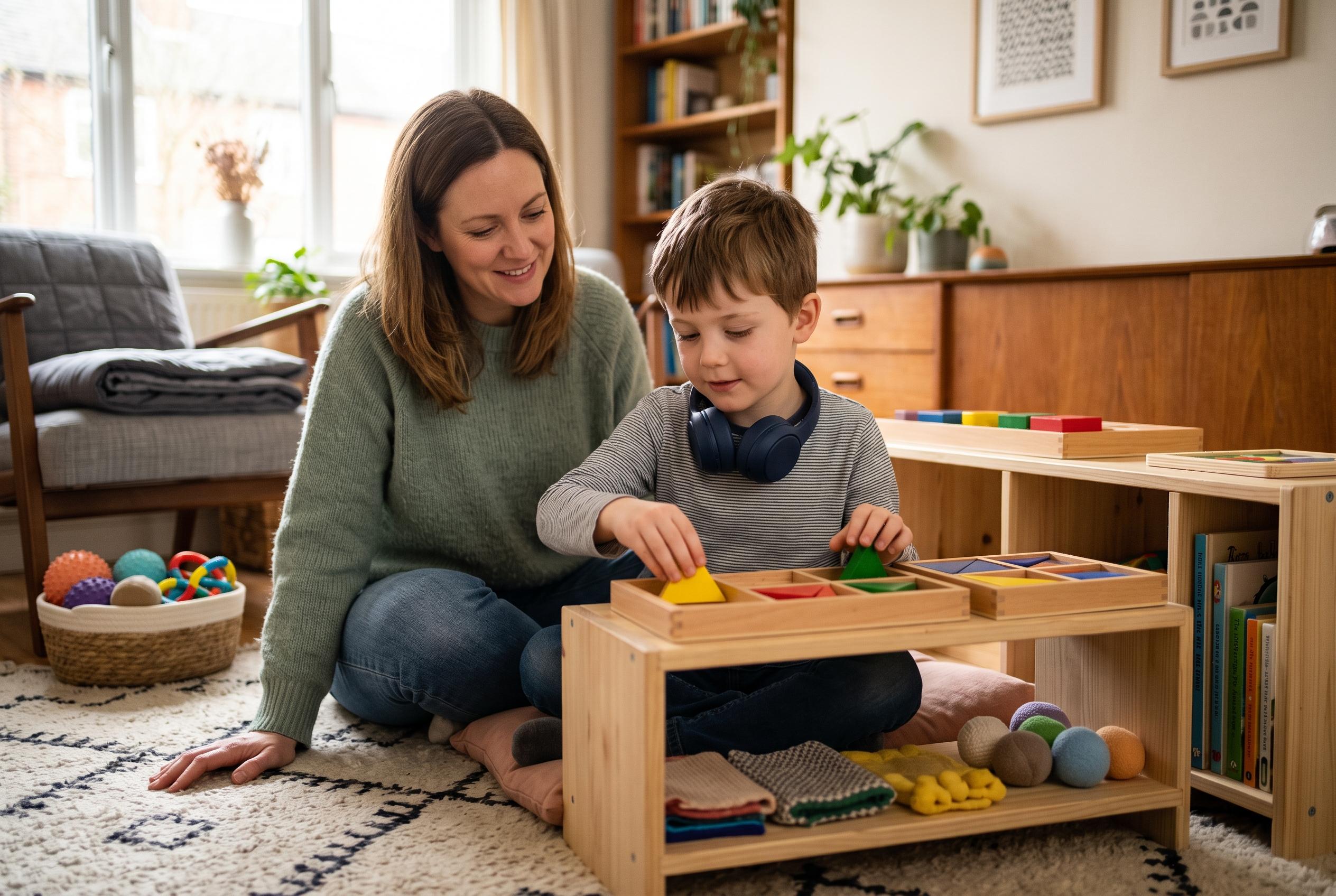

Families and experts emphasise the importance of fostering confidence and personalised growth in autistic children, challenging traditional notions of independence and support.
For many families, raising an autistic child is less about choosing independence or dependence than about learning when to step forward and when to step back. The central challenge is not a single parenting formula but a steady process of reading the child in front of you, recognising when support is needed and when a little space may do more good than direct intervention. The Deccan Chronicle article frames that balance as a daily judgement call, one that changes as children grow and their strengths become clearer.
That idea is echoed by autism advocates and parents who say independence should not be confused with forcing children to behave in a typical way. Instead, it means giving them room to make choices, take part, try, fail and slowly build ownership of their lives. Specialist guidance on autism and independence supports that approach, recommending routines, manageable steps, visual prompts and gradual withdrawal of help so children can build confidence without being overwhelmed. In practice, that can mean teaching life skills early, involving children in everyday tasks and letting them experience natural consequences in safe, supportive settings.
The article also challenges a common social reflex: to see autism before seeing the child. Parents and advocates argue that too often support is mistaken for pity, and assistance becomes control. That can lead to lower expectations, even when a child is capable of much more than outsiders assume. Autism organisations and behaviour specialists similarly stress the value of presuming competence, meaning children should be given age-appropriate expectations, responsibilities and opportunities unless there is a clear reason not to.
What stands out in the families profiled is the way progress is measured in personal rather than conventional terms. One child may solve puzzles, paint or learn to swim independently; another may thrive through music, chores or sports. Guidance from autism-focused groups points in the same direction, urging parents to build on each child’s interests, strengthen communication and celebrate small gains rather than chase a one-size-fits-all idea of success. The result is not lowered ambition, but a more precise understanding of how achievement can look.
The broader message is that acceptance should not mean reducing expectations, and expectations should not become a reason to miss a child’s actual abilities. Parents of autistic children are often asked to strike a difficult balance: to hope without insisting on outcomes that are unrealistic, and to support without taking over. The families and experts in the article suggest that the truest measure of progress is not conformity, but confidence, participation and the chance to grow on one’s own terms.
Disclaimer: This content is for informational purposes only and is not intended to be a substitute for professional medical judgment, advice, diagnosis, or treatment.



