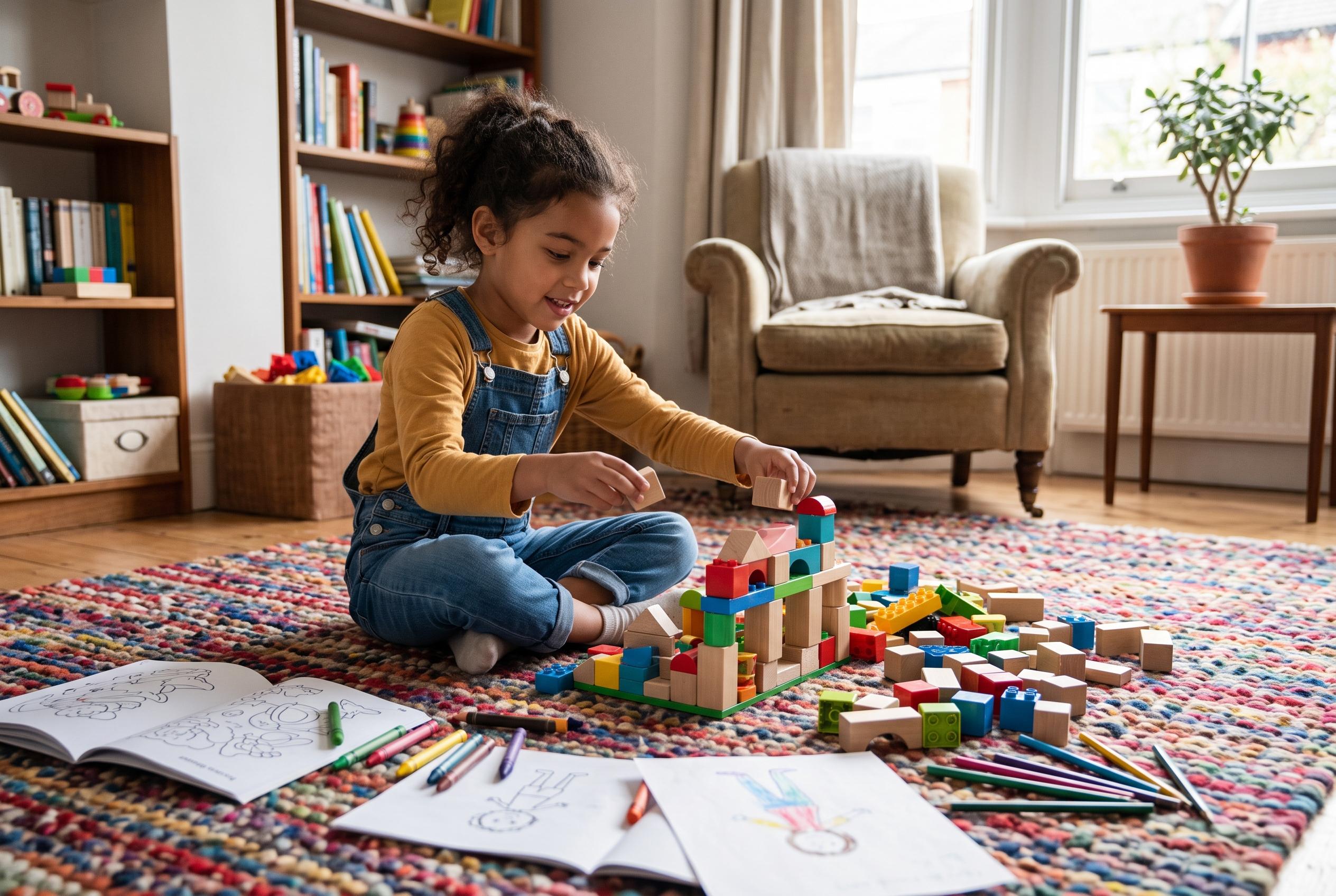

New insights highlight that addressing children’s negative emotional responses to boredom, rather than simply eliminating it, can foster resilience, inventiveness, and confidence, especially amidst screen time challenges and emotional barriers.
Summer boredom can feel like a minor complaint, but parents know it often masks something bigger: fatigue, frustration, anxiety or a child’s inability to shift from passive consumption to active play. In a Psychology Today piece, the writer argues that boredom is not simply empty time, but a state in which negative feelings can crowd out curiosity, leaving children stuck and unable to engage with the world around them.
The article describes how that can happen in different settings. A child may feel overwhelmed at school, socially shut out at home, or intimidated by a beach or holiday environment that seems fun to adults but feels inaccessible to them. In each case, the problem is not the lack of activity itself so much as the child’s emotional response to it.
Rather than scolding, the piece recommends that parents respond with empathy and temporary participation. Joining in play, helping a child get started, or acting as a bridge to other children can break the cycle of withdrawal. The author also extends that advice to adults, suggesting that a bored partner may need support and companionship rather than criticism.
The discussion also points to screens as part of the problem. Children who spend much of their time on devices may struggle to generate their own entertainment, the article says, because they have become used to stimulation arriving from outside. That makes limits on screen time important, not as punishment, but as a way to encourage imagination, self-direction and the ability to settle into unstructured play.
Other child-health sources make a similar case while adding nuance. Healthline notes that boredom can have benefits when it is occasional, including creativity and self-regulation, but says prolonged boredom can be a warning sign if it is linked to depression or other difficulties. Children’s Health and the Kids Mental Health Foundation both recommend structured options alongside open-ended time, while Cleveland Clinic says children do not need to be entertained constantly and that low-cost outings, outdoor time and screen limits can help during school breaks. The common thread is that boredom is not always a problem to eliminate; sometimes it is a prompt for children to build resilience, inventiveness and confidence.
Disclaimer: This content is for informational purposes only and is not intended to be a substitute for professional medical judgment, advice, diagnosis, or treatment.