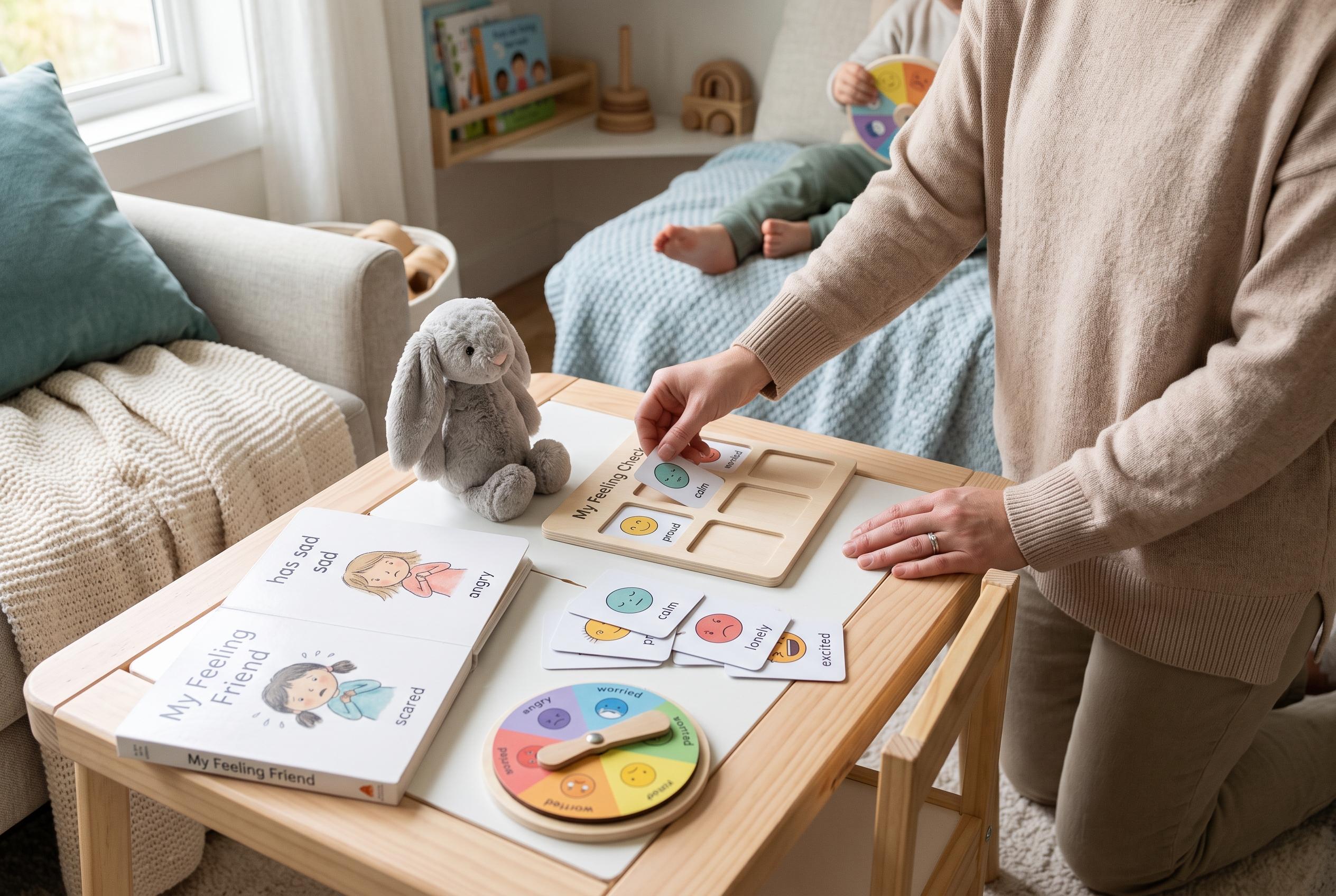

Experts advocate for validating children’s feelings instead of quick reassurances, emphasising calm connection and practical coping strategies to help children manage anxiety more effectively.
Parents often want to erase a child’s worry with quick reassurance, but that instinct can backfire. Psychology Today has argued that repeated promises that “everything will be fine” may soothe briefly while leaving the child stuck in a cycle of fresh questions and growing anxiety. A better approach, child-wellbeing specialists say, is to name the feeling, stay close and help the child work through what is actually frightening them.
That idea sits at the heart of the guidance from counsellor Linda McCowan, who says children usually need to feel understood before they are ready for problem-solving. In her article on what to say to a worried child, she recommends phrases such as “It’s okay to feel worried,” “I’m here with you” and “Tell me what’s worrying you” as ways to replace dismissal with calm connection. She also warns against language that can sound as if a child’s fear is being brushed aside.
The wider message from parenting and child-health groups is similar. PBS Parents describes adults as emotion coaches, encouraging them to help children explain, identify and manage worry rather than jumping straight to distraction or rescue. HealthyChildren.org says parents can use age-appropriate language, visual prompts and simple comparisons to help children describe what they are feeling, which can make a vague fear easier to talk about.
Specialists also recommend helping children sort facts from worst-case predictions. McCowan suggests asking what is known for certain and what might merely be a frightening guess, while the Center for Early Childhood advises validating feelings without strengthening the fear itself. Boys Town Hospital likewise says parents should first work out whether a child is facing real danger or anxiety, then build coping skills that help the child move forward.
Practical comfort matters too. McCowan recommends taking worries one step at a time, slowing the body down with gentle breathing and reminding children that they do not need to be brave all at once. The article also suggests simple home activities, such as colouring, to give anxious children something quiet and soothing to do while conversations unfold naturally. The aim, she writes, is not to eliminate every worry but to help children learn that they can talk about fear and cope with it.
Disclaimer: This content is for informational purposes only and is not intended to be a substitute for professional medical judgment, advice, diagnosis, or treatment.