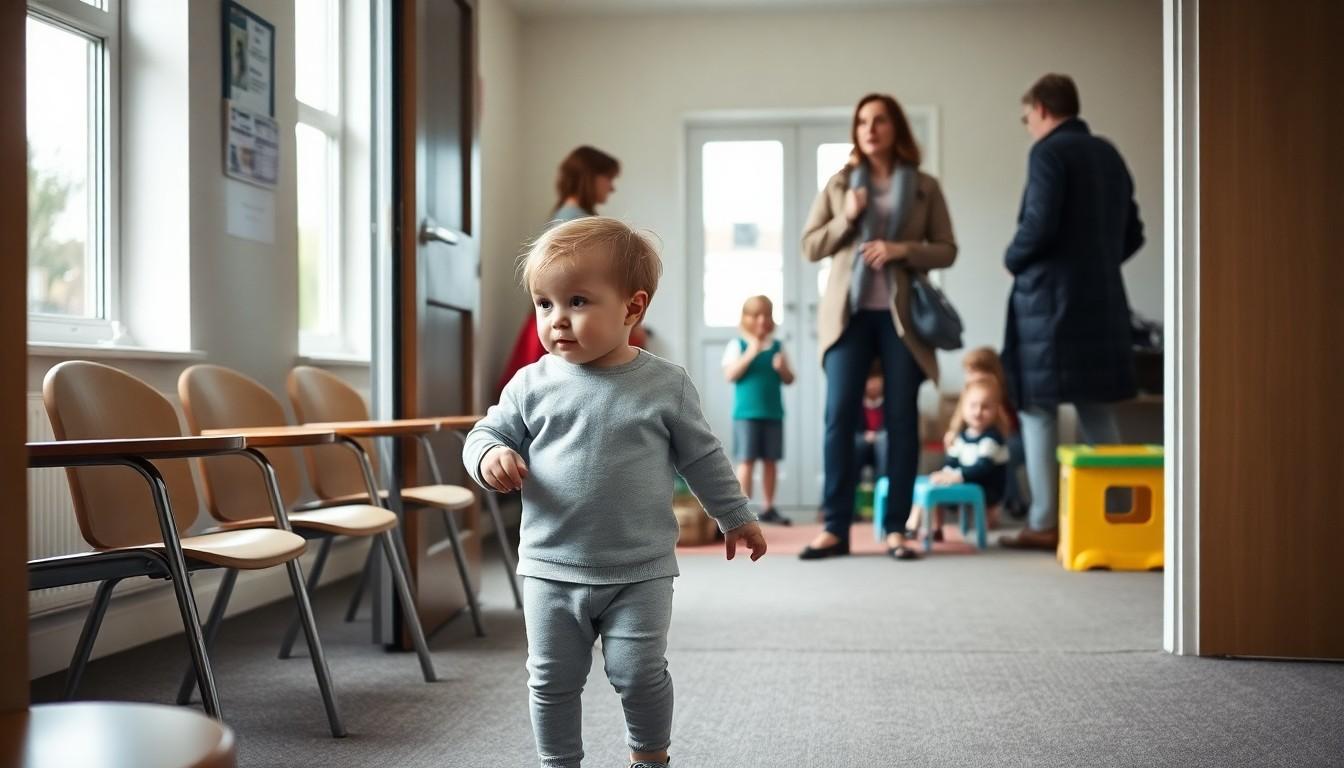

Parents are encouraged to distinguish between simple caution and social anxiety in young children, with experts emphasising early recognition and support to prevent long-term difficulties.
Parents are being urged to look more closely at a subtle but important difference in early childhood behaviour: when a toddler is simply cautious, and when that caution may be masking social anxiety. Dibber International Preschools South Africa says the two can look alike at first, especially when a child hangs back at drop-off, clings to a parent at a family gathering or takes a long time to warm to strangers. But, as the company’s managing director Ursula Assis has noted, quietness on its own is not necessarily a warning sign.
Shyness is usually marked by hesitation. A child may watch first, stay near a familiar adult and join in only after they have had time to settle. According to medical guidance and child-development research, this kind of withdrawal is common in unfamiliar settings and often eases as the child grows more comfortable. Social anxiety, by contrast, tends to be more intense and persistent, with repeated distress, avoidance and fear that can interfere with ordinary routines.
The distinction matters because anxiety is less about temperament and more about fear. Researchers and clinicians say children with social anxiety are more likely to show repeated distress across familiar situations, not just in one overwhelming moment. A toddler who cries every time preschool starts, refuses to attend social events or complains of feeling unwell before interactions may be signalling something beyond ordinary reserve. The key clues are how strong the reaction is, how long it lasts and whether it disrupts daily life.
Experts also warn against turning a passing pattern into a permanent identity. Calling a child “the shy one” may feel harmless, but it can become a label children absorb for themselves. Supportive responses work better: giving the child time to observe, explaining what will happen next, praising small steps and avoiding pressure to perform on demand. Predictability can help children who are anxious, as can rehearsal through play and calm reassurance from adults.
Assis says educators can be especially helpful because they see children over time and in relation to other children. Their observations about how a child enters the classroom, responds to unfamiliar adults, joins group activities and recovers after becoming overwhelmed can help parents decide whether they are seeing normal caution or a more entrenched difficulty. If distress is frequent, intense or begins to affect preschool attendance, family life or routine activities, medical and psychological advice may be needed. Early support, child-development experts say, can make a meaningful difference.
Disclaimer: This content is for informational purposes only and is not intended to be a substitute for professional medical judgment, advice, diagnosis, or treatment.