

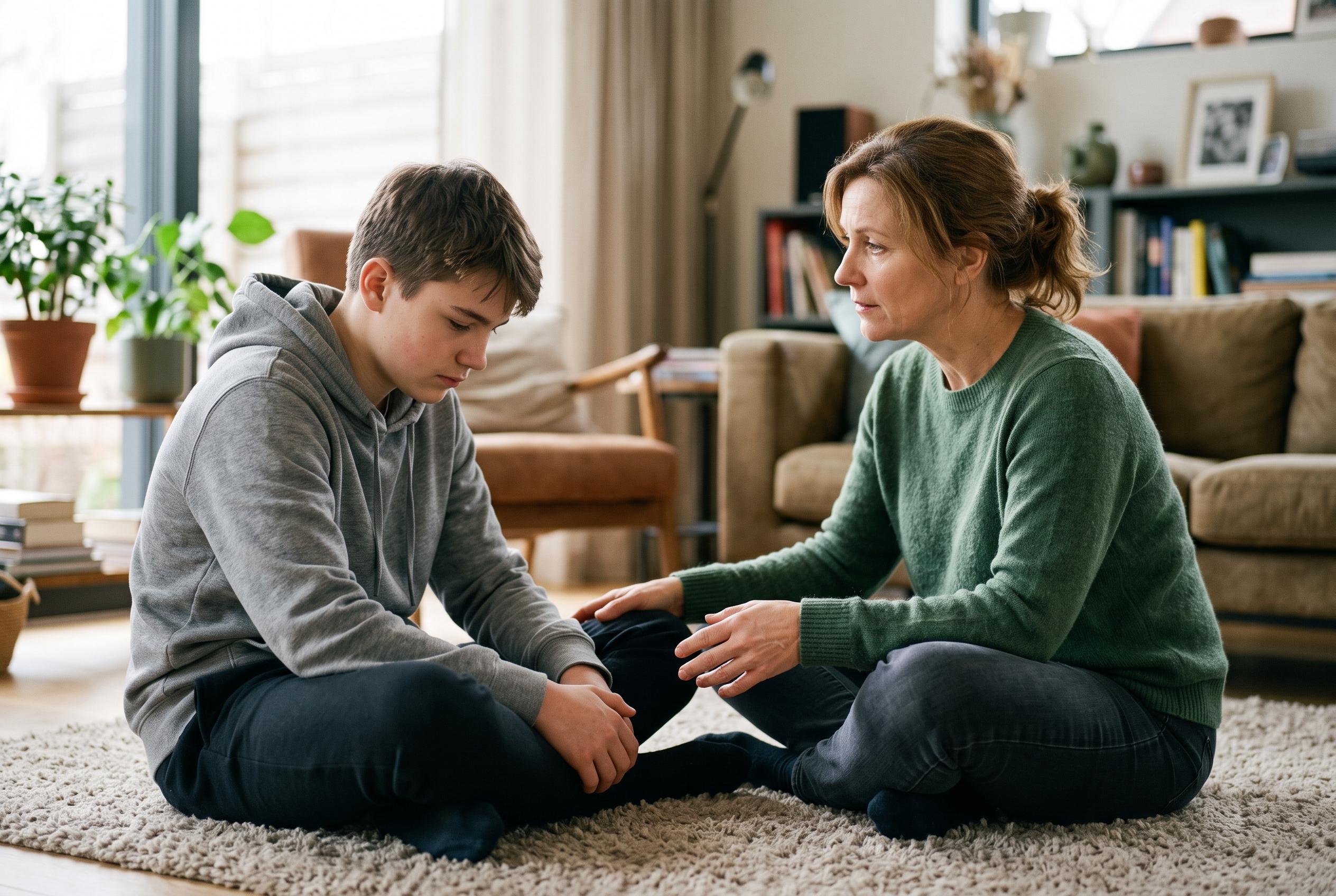

Children often conceal bullying, but behavioural and emotional changes can serve as crucial warning signs. Experts emphasise the importance of open communication and a secure home environment to help children speak up and receive support early.
Bullying can be hard to spot because many children do not talk about it. Fear, shame, or the belief that no one will listen often keep them silent, which is why parents are told to pay close attention to changes in mood, behaviour and routine. Carol Núñez Vélez, a psychologist and communicator, says the first warning sign is often a child who is usually happy becoming withdrawn, irritable or reluctant to go to school.
Those changes may show up in several ways. A child may stop wanting to see friends, become more sensitive, struggle to sleep, have nightmares or complain of headaches and stomach aches. Lower marks, a drop in concentration, resistance to attending school and repeatedly losing or damaging belongings are also common red flags, according to guidance from StopBullying.gov, Cleveland Clinic, Children’s Health and WebMD.
Once parents notice a pattern, specialists recommend starting with calm, open conversation rather than pressure or judgement. The child needs reassurance that they are not to blame and that adults will help. Schools and teachers should also be informed so the issue can be addressed quickly. Núñez Vélez says children are more likely to speak up when home feels safe, supportive and emotionally steady.
That foundation matters even if it cannot prevent bullying altogether. HealthyChildren.org and Children’s Health note that children with stronger emotional security are often better able to ask for help, set boundaries and trust adults. A secure home environment may not eliminate the risk, but it can make it easier to notice danger early and respond before the harm deepens.
Disclaimer: This content is for informational purposes only and is not intended to be a substitute for professional medical judgment, advice, diagnosis, or treatment.



