

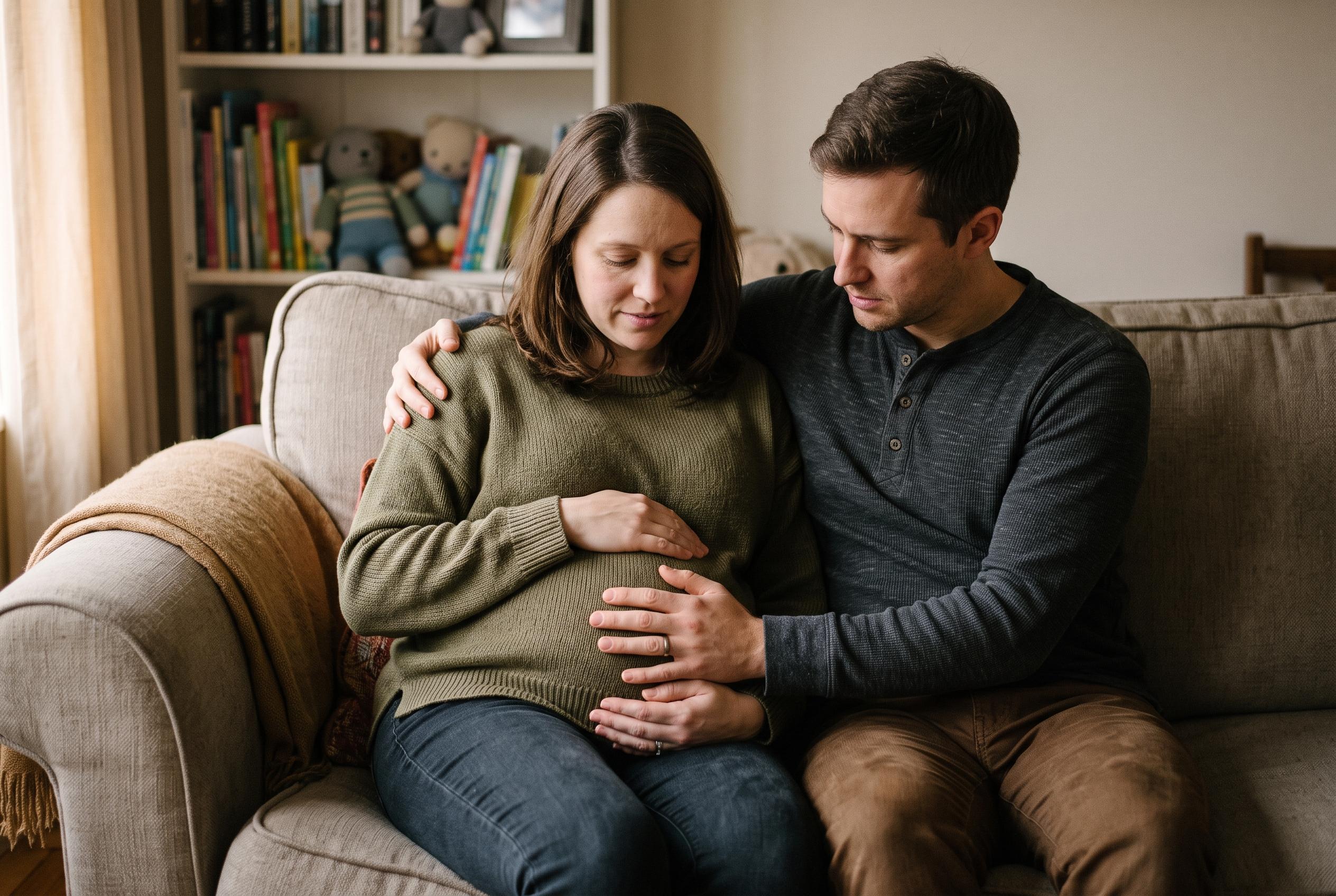

Findings from two long-running PRAM studies suggest that depression, stress and previous mental illness during pregnancy can influence early bonding, infant stress responses and children’s development.
Maternal mental health is often discussed in one narrow frame: whether postnatal depression harms a baby. But the evidence emerging from the Psychiatry Research and Motherhood, or PRAM, studies suggests the picture is wider and more complicated. What happens during pregnancy may matter just as much as what follows birth, and in some cases even more so. The studies also point to risk factors that predate pregnancy, including a previous history of mental illness, childhood adversity and social stress.
PRAM brings together two long-running cohort studies that followed women from pregnancy into middle childhood. The first, known as PRAM-D, began in 2007 and focused on women at risk of depression during pregnancy. The second, PRAM-P, launched in 2013 and tracked women considered vulnerable to postpartum psychosis, a rare but severe psychiatric emergency. Together, the studies have examined clinical, psychological and biological data from mothers, with more recent work also bringing in fathers and other co-parents to reflect the wider family setting.
One of the clearest findings is that difficulties in early mother-infant interaction are not limited to women who become unwell after birth. In both cohorts, researchers found that depression during pregnancy, as well as a pre-existing history of depression, was linked with less synchronised and less responsive interactions between mother and baby. In the postpartum psychosis group, women at higher risk also reported more negative bonding experiences, particularly when psychiatric symptoms and parenting stress were high. The studies suggest that the perinatal period can be an early window for support, not simply a time to wait and see whether symptoms appear after delivery.
The research also indicates that maternal mental health can shape babies’ early behaviour and stress responses. Infants exposed to depression in pregnancy were more likely to seem less alert at birth, show stronger signs of stress and need more help settling. Later in infancy, some of those babies also showed heightened cortisol responses, suggesting a more reactive stress system. Among children in the postpartum psychosis cohort, researchers saw differences in learning, movement and emotional development during the first year, with some indications that effects may vary by sex. A separate long-term follow-up cited by the researchers found that children of mothers depressed in pregnancy were more likely to develop non-secure attachment, be referred to child and adolescent mental health services and show stronger physiological stress responses, with girls showing lower performance on some memory and attention tests.
Behind those outcomes, the PRAM studies have identified biological and social pathways that may help explain why some women struggle more than others. During pregnancy, depression was associated with changes in stress hormones and inflammatory markers, while higher stress levels and childhood adversity were linked with a greater risk of relapse after birth in the postpartum psychosis cohort. Differences in memory, processing speed and executive function were also seen during pregnancy among women who later became unwell. The message from the research is not that outcomes are fixed, but that vulnerability can sometimes be detected early, creating a chance to intervene sooner.
The work now being brought together across PRAM-D and PRAM-P is aimed at understanding how these early differences develop over time and what they mean for children’s attachment and emotional development in later life. The studies have already supported more than 10 PhD projects and contributed to policy discussion, including a UK Parliament briefing on mental health during and after pregnancy. Their broader lesson is that maternal mental health is not a single event confined to the weeks after birth. It is a changing story that begins in pregnancy, is shaped by family and biology, and can leave a long trace into childhood.
Disclaimer: This content is for informational purposes only and is not intended to be a substitute for professional medical judgment, advice, diagnosis, or treatment.



