

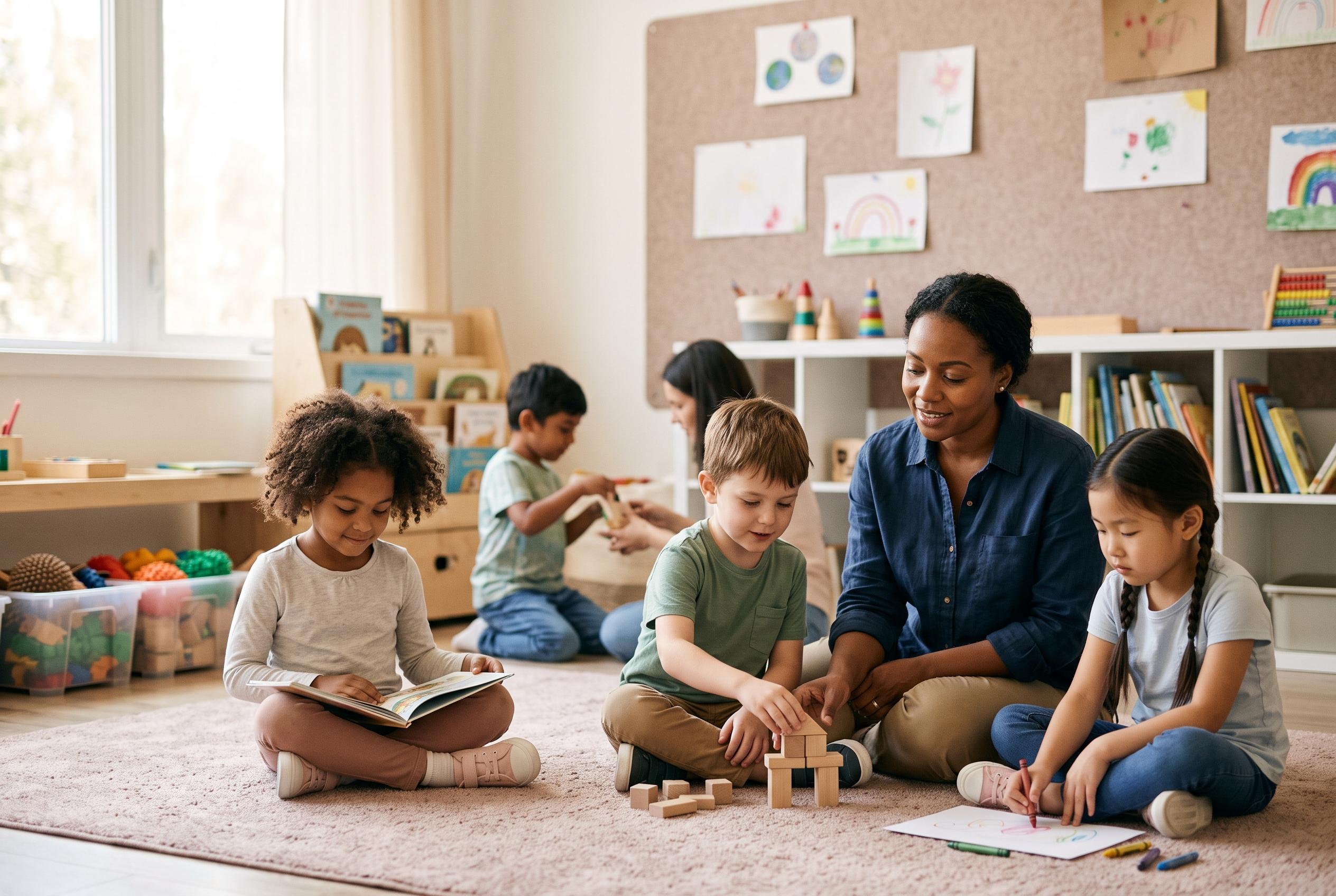

A Save the Children Hong Kong and City University programme has supported 154 children affected by a fire, with play therapy and expressive arts helping pupils process fear, loss and ongoing distress.
A collaboration between Save the Children Hong Kong and City University’s counselling and psychology team has offered trauma-informed group support to 154 children affected by a recent fire, using play therapy, expressive arts and psychological counselling to help them process fear and loss. The work also extended into schools in Tai Po, where practitioners provided support in six primary schools and one secondary school as part of a broader recovery effort for pupils and families.
The programme included 127 schoolchildren and 27 children living in transitional housing. In parallel, the team collected data from 74 children aged two to 16 and 74 parents aged 29 to 71, giving a snapshot of how both young people and caregivers were coping after the disaster. According to the findings shared by the organisations, children who completed six play-therapy sessions saw their average score on a generalised anxiety scale fall from seven to one.
Expressive arts work also appeared to help children regain a sense of control. One primary school pupil, identified as Jackey, made a “calm bottle” during therapy, shaking it when emotions ran high and watching the glitter settle slowly to the bottom. He also created a wooden “treasure box” to hold a penguin toy he had brought from his former home, saying it reminded him of life in the estate where he used to live. The approach reflects a wider therapeutic model used in trauma care, where creative activities can help children express experiences that may be difficult to put into words.
University staff said the exercises were designed not just to distract children, but to help them build coping tools for moments of distress. One assistant professor said families reported better sleep and less sensitivity to sirens after treatment, while Jackey gradually learned to recognise and regulate his feelings. The report also said he began showing more empathy towards classmates, offering tissues and staying with peers who were upset. For children and caregivers still carrying the effects of a major fire, the project suggests that recovery may depend as much on safe, structured emotional support as on material assistance.
Disclaimer: This content is for informational purposes only and is not intended to be a substitute for professional medical judgment, advice, diagnosis, or treatment.



