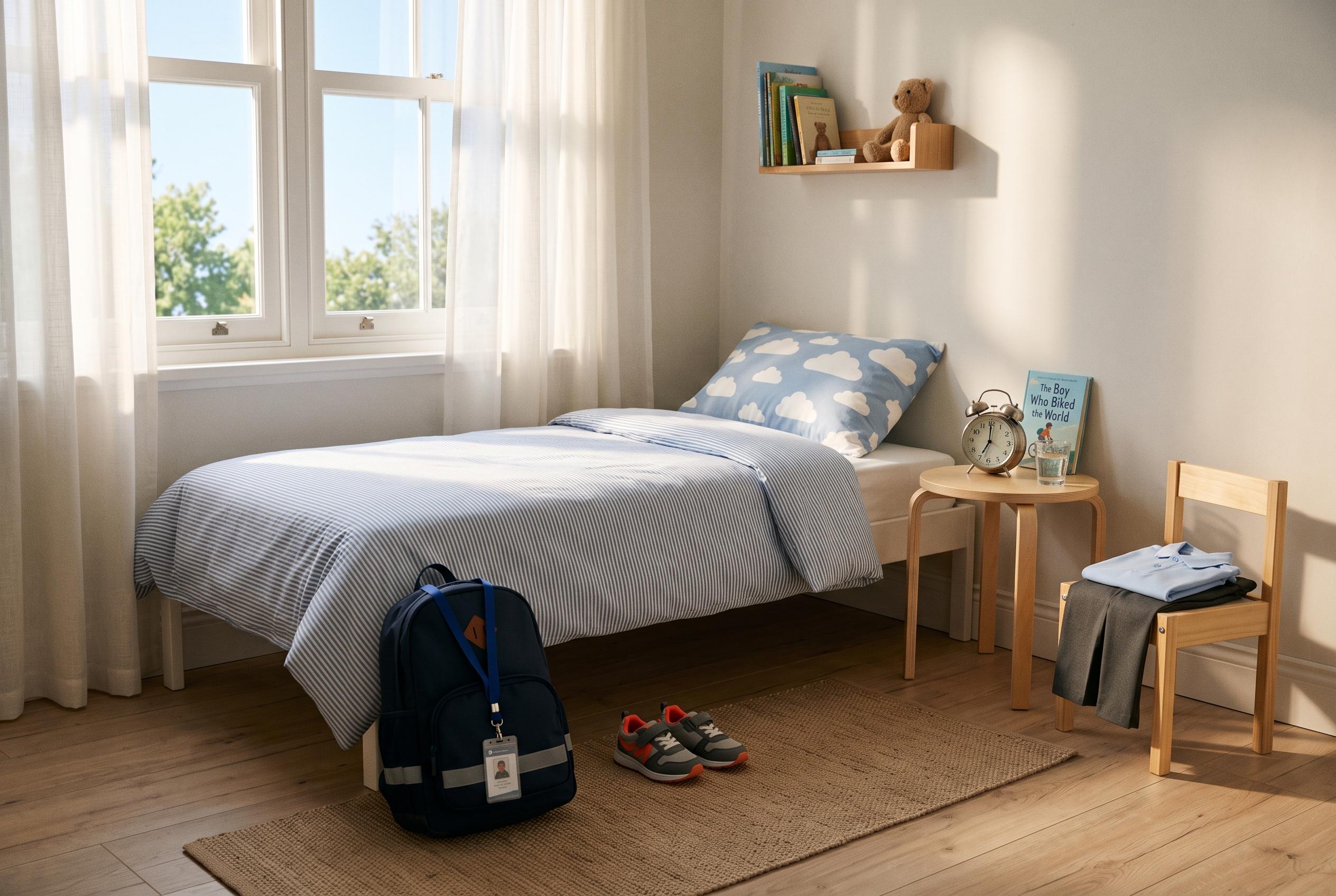

Psychologists and paediatric sleep specialists recommend families begin gradually shifting children’s bedtimes and wake-up routines weeks before the new school term to reduce stress and improve alertness.
Parents should start nudging children’s sleep schedules well before the first school bell rings, psychologists and paediatric sleep specialists say, because the body clock does not reset overnight after a summer of later nights and lie-ins. Elena Matveeva, a psychologist and sleep consultant, told Sputnik Radio that families should begin the adjustment one or two weeks before 1 September rather than waiting until the end of August.
The safest approach is to move both bedtime and wake-up time earlier in small steps of 10 to 15 minutes every two or three days, Matveeva said. She argued that the morning wake-up is the key signal for the body, not simply putting a child to bed earlier. Morning daylight also helps reset circadian rhythms, while gradually shifting breakfast, walks and dinner can make the transition feel more natural.
That advice broadly matches guidance from the Cleveland Clinic and Duke University, which both recommend early, incremental changes rather than abrupt ones. Their specialists say bright light in the morning, less light late at night and a steady routine can help children settle into school hours more easily. They also warn that too much screen time, late meals and overly stimulating evening activities can make it harder for children to fall asleep and wake refreshed.
Matveeva also cautioned against trying to change everything at once. Delaying the new routine until the final week of August can leave children short on sleep and more stressed, she said, and parents should avoid combining an earlier wake-up with other major changes such as dropping daytime naps or adding the pressure of school shopping. The goal is not just to get children out of bed earlier, but to help them arrive at the new term rested, focused and ready to learn.
Disclaimer: This content is for informational purposes only and is not intended to be a substitute for professional medical judgment, advice, diagnosis, or treatment.