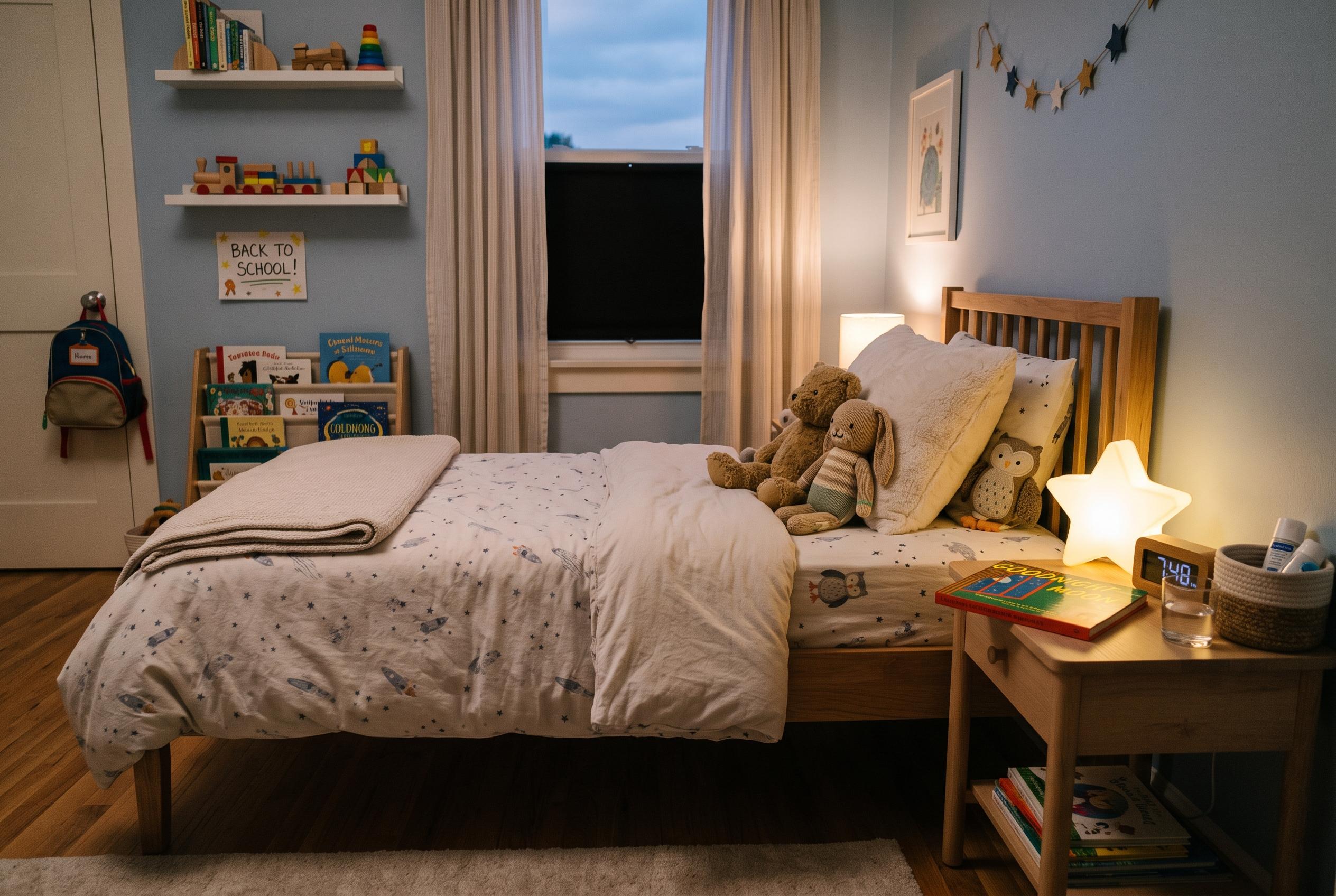

As children head back to the classroom, experts emphasise the importance of sleep for optimal health, learning, and behavioural wellbeing, urging parents to establish routines and minimise screen time before bed.
As children head back to class, family medicine physician Shalini Choudhary is urging parents to treat sleep as a school-year priority, saying rest is central to a child’s health, memory and ability to learn. The Centres for Disease Control and Prevention says sleep supports not only concentration and mood but also immune function and overall wellbeing, reinforcing the advice that the school term is a good time to reset routines.
Recommended sleep varies by age. Choudhary said children aged 6 to 12 should aim for 9 to 12 hours a night, while teenagers need 8 to 10 hours. Those figures match guidance from the CDC, the Eunice Kennedy Shriver National Institute of Child Health and Human Development and the National Heart, Lung and Blood Institute.
She also warned that screens can make it harder to drift off. Blue light from phones, tablets and other devices can suppress melatonin, the hormone that helps the body prepare for sleep, and an active mind at bedtime can delay rest. Choudhary recommended putting devices away at least an hour before bed.
Parents should also look for signs of sleep loss, including trouble waking up, daytime drowsiness, irritability and reduced school performance. Mayo Clinic Health System says consistent bedtime habits and a calm sleep environment can help children get enough rest, while the CDC notes that too little sleep can contribute to attention and behaviour problems and may affect longer-term health.
Disclaimer: This content is for informational purposes only and is not intended to be a substitute for professional medical judgment, advice, diagnosis, or treatment.