
As awareness grows around the risks of caffeine and horseback riding, parents are advised to assess their child’s readiness and implement careful safeguards to ensure safety and well-being.
Coffee and horseback riding may sound like ordinary childhood requests, but both raise real questions about age, temperament and safety. In Slate’s Care and Feeding column, advice columnist Nicole said she once started drinking coffee at 12, but argued that children this young should generally avoid caffeine or have it only in very limited amounts because of the effects on sleep, mood and anxiety. That view aligns with guidance from HealthyChildren.org and Cleveland Clinic, which both warn that children are more sensitive to caffeine and that no safe level has been established for younger children.
For parents debating an 11-year-old’s coffee habit, the bigger issue is not whether a sip will do harm, but whether it turns into a routine. HealthyChildren.org says caffeine can disrupt sleep, raise blood pressure and interfere with nutrient absorption, while Cleveland Clinic advises parents to limit caffeine and avoid energy drinks altogether for children and teenagers. If a child enjoys the flavour rather than the sugar and cream, decaffeinated coffee may be a better compromise than regular coffee.
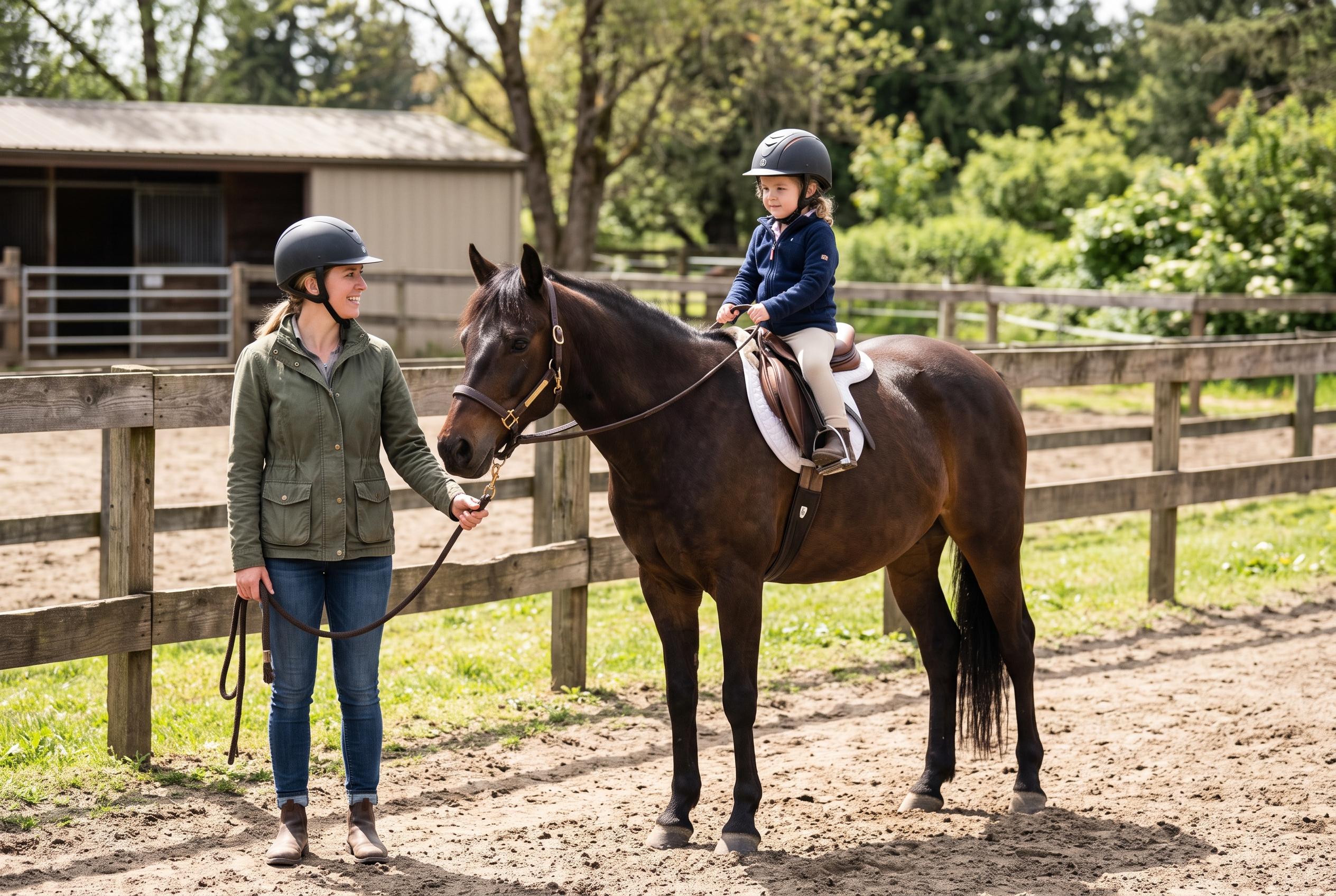
The same kind of careful judgement applies to horseback riding. Nicole wrote that riding readiness depends on the child, not just on the sport itself, and that children need to be responsible, balanced and willing to follow safety rules. The American Academy of Pediatrics and HealthyChildren.org both note that riding can build confidence and coordination, but also carries risks, including concussions and wrist or ankle injuries. Nationwide Children’s Hospital adds that proper helmets and closed-toe shoes are essential, even when children are around horses on the ground.
In both cases, the practical answer for parents is to look closely at the child, the setting and the safeguards. With coffee, that means watching for sleep disruption, anxiety or other side effects. With riding lessons, it means visiting the stable, asking about beginner instruction and making sure the child is genuinely interested in the animals, not just the thrill. Neither decision needs to be made on instinct alone.
Disclaimer: This content is for informational purposes only and is not intended to be a substitute for professional medical judgment, advice, diagnosis, or treatment.