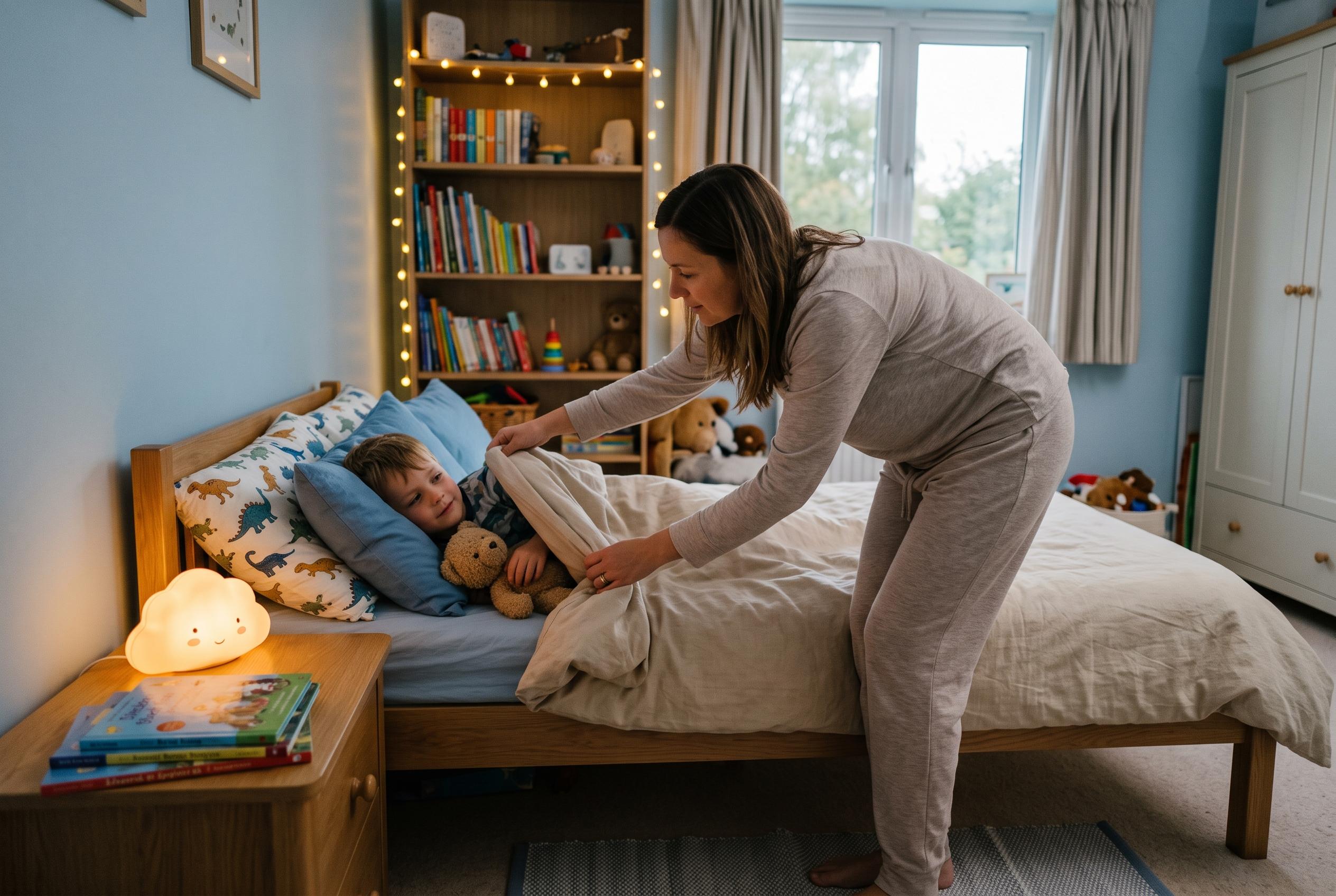

Experts recommend gradual adjustments and calming bedtime routines to help children reset their sleep schedules after holidays, reducing stress and improving focus for the school term.
Long school holidays often push children’s sleep patterns off course, leaving them up later and waking much later than usual. That shift can make the return to term time harder for both children and parents, especially when an early school start suddenly replaces relaxed holiday mornings. Health guidance cited by NewYork-Presbyterian and Connecticut Children’s says irregular sleep can affect mood, concentration and learning, making a steady reset worth starting before the first bell rings.
Experts advise against a dramatic overnight change. A better approach is to move bedtime and wake-up time earlier in small steps, usually by 15 to 30 minutes every few days, beginning one to two weeks before school starts. The aim is to let the body clock adjust gradually rather than forcing an abrupt shift that can leave children frustrated and overtired.
A predictable evening routine can also help. Parents are encouraged to switch off screens well before bed, since light from phones, tablets and televisions can interfere with the body’s melatonin production and make it harder to feel sleepy. Calmer activities, such as a bath, reading together or quiet music, can signal that bedtime is approaching. The Children’s Health guidance also recommends keeping wake-up times steady, including at weekends, so the pattern does not keep slipping back.
The sleep environment matters too. Dimmer lighting in the evening can support the natural sleep cycle, while opening curtains in the morning helps children wake more fully with natural daylight. Sources from NewYork-Presbyterian and Children’s Health both stress that a bedroom should feel restful and uncluttered, with distractions kept to a minimum. One additional tip highlighted by HaiBunda is to avoid late naps during the adjustment period, as those can make it harder for children to feel tired at night.
Diet can play a part as well. Parents are advised to avoid caffeinated foods and drinks such as chocolate, tea and fizzy drinks in the afternoon and evening, and to steer clear of heavy meals close to bedtime. According to the reporting by Media Indonesia, the goal is a gradual, consistent return to routine so children arrive back at school better rested, more focused and less likely to struggle through the first weeks of term.
Disclaimer: This content is for informational purposes only and is not intended to be a substitute for professional medical judgment, advice, diagnosis, or treatment.