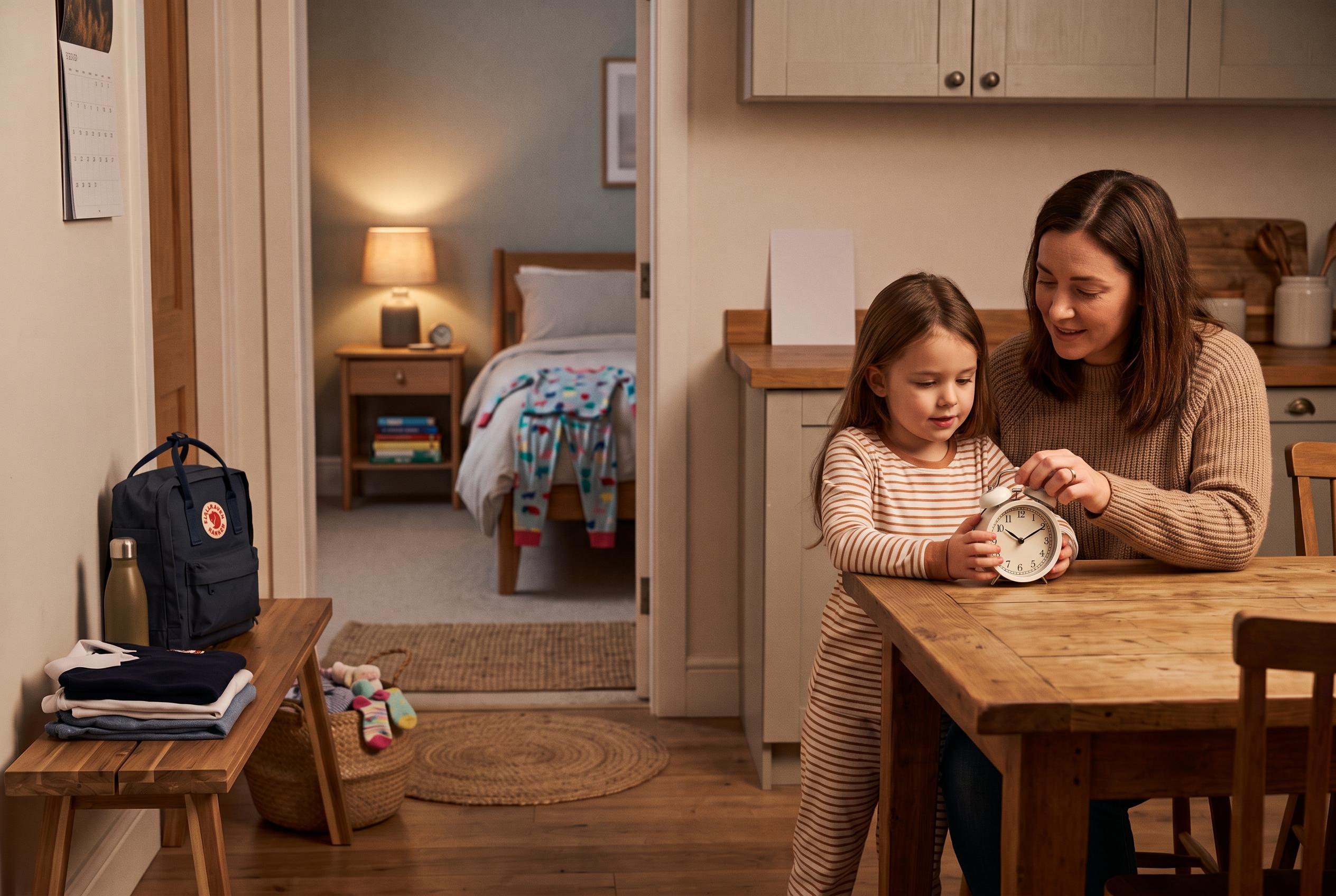

Experts recommend gradually adjusting children’s sleep schedules, establishing predictable routines, and involving them in preparations to help ease the transition back to school, reducing anxiety and resistance.
The end of summer can be a difficult pivot for children who have grown used to later nights, slower mornings and looser rules around play and screens. Education and family counsellors say the easiest way to soften that shift is to start well before the first bell, giving children time to adjust both emotionally and practically rather than forcing a sudden reset.
Mariam Alsalem, an educational and family counsellor and trainer, said sleep is closely tied to a child’s mood, activity levels and behaviour. She advises parents to bring bedtime forward by one to two hours over the course of one to two weeks, rather than making a sudden change. That advice matches guidance from paediatric experts cited by The Associated Press, which says children need different amounts of sleep depending on age, with younger children needing the most and teenagers generally requiring eight to 10 hours a night.
A predictable routine can be just as important as an earlier bedtime. Shamsa Altenaiji, a Montessori teacher and certified positive parenting trainer, said a fixed sequence of evening tasks can help children feel safe and reduce resistance. A simple pattern such as dinner, bath, teeth brushing, a story and bed can make the school transition feel more manageable. Cleveland Clinic has also advised families to rehearse morning routines before term begins, including waking up on time, getting dressed and eating breakfast, so the first school day does not feel so abrupt.
Both experts warned against waiting until the final days of the holiday to make changes. They also said parents should avoid turning school into a threat or punishment. Instead of focusing on what children must give up, adults can build anticipation by talking about seeing friends, trying new activities and choosing school items such as a backpack or lunch box. Health and child-development advice from Johns Hopkins Medicine and other specialists also points to the value of talking through worries, visiting the school in advance where possible and involving children in small preparations that give them a sense of control.
When a child says they do not want to return to school, the first step is to listen, not lecture. Alsalem said the cause may be bullying, learning difficulties, fear of a teacher, separation anxiety or another upsetting experience, and identifying the reason is part of the solution. If a child cries on the first day, experts say parents should stay calm, keep goodbyes brief and reassuring, and explain clearly when they will return. Persistent refusal to attend, especially when it is linked to stomach aches, headaches, nightmares, withdrawal or changes in eating or sleeping, may need support from the school and a specialist. Reducing screen time gradually, involving children in packing clothes and snacks, and keeping the home routine steady can also help make the return to school feel less like a disruption and more like a confident step forward.
Disclaimer: This content is for informational purposes only and is not intended to be a substitute for professional medical judgment, advice, diagnosis, or treatment.