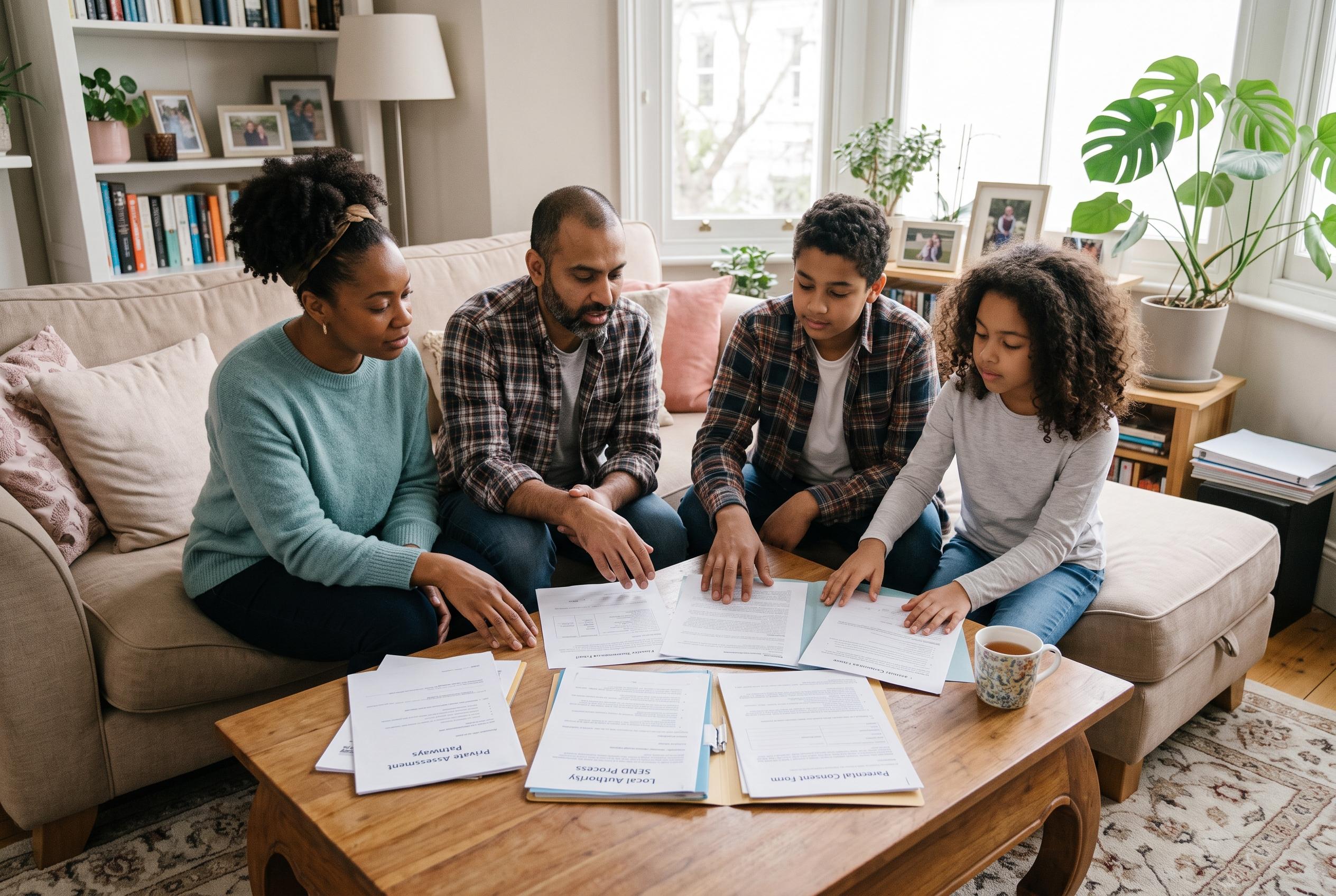

Parents in Ontario navigating assessments for learning difficulties weigh the quicker, broader insights of private evaluations against the cost-free, school-focused reports from public assessments, with implications for support plans and privacy.
Parents in Ontario facing concerns about a child’s learning often end up weighing the same two routes: an assessment through the public school board or one arranged privately. Both can examine cognitive ability and academic skills, and both may support a child’s access to an Individual Education Plan or classroom accommodations, but the experience can differ sharply in speed, cost and scope. According to Toronto Psychology Clinic, the school-board route is publicly funded and free to families, while a private assessment comes with an upfront fee that some parents offset through extended health benefits.
The biggest practical difference is often time. Assessment Clinic says private psychoeducational assessments are commonly booked and completed within a few weeks, while school-board assessments can involve lengthy waits that stretch for months or longer. Because school boards must prioritise pupils with the most urgent needs, some children wait a long time before being seen. That can leave families of bright, conscientious pupils with less obvious difficulties feeling stuck, especially when a child is working hard to mask problems at school.
The two paths also tend to produce different kinds of reports. Toronto Psychology Clinic says school-board assessments are designed mainly for the classroom, with recommendations focused on what educators can do during the school day. Private assessments, by contrast, usually take a broader view of the child and can address home routines, parenting strategies and longer-term planning. Cognitive Canvas Health says private evaluations may also provide formal clinical diagnoses and a more rounded picture of cognitive, academic and social-emotional functioning.
Privacy is another consideration. Toronto Psychology Clinic says school-board reports become part of a child’s official school file, with less control over how widely the information is shared within the system. Private reports remain under parental control, allowing families to decide when and with whom to share them. Even so, the school will still review a private report on its own terms. As Assessment Clinic and other Canadian providers note, public schools in Ontario commonly accept private assessments when deciding whether to put an IEP or other support plan in place.
Disclaimer: This content is for informational purposes only and is not intended to be a substitute for professional medical judgment, advice, diagnosis, or treatment.