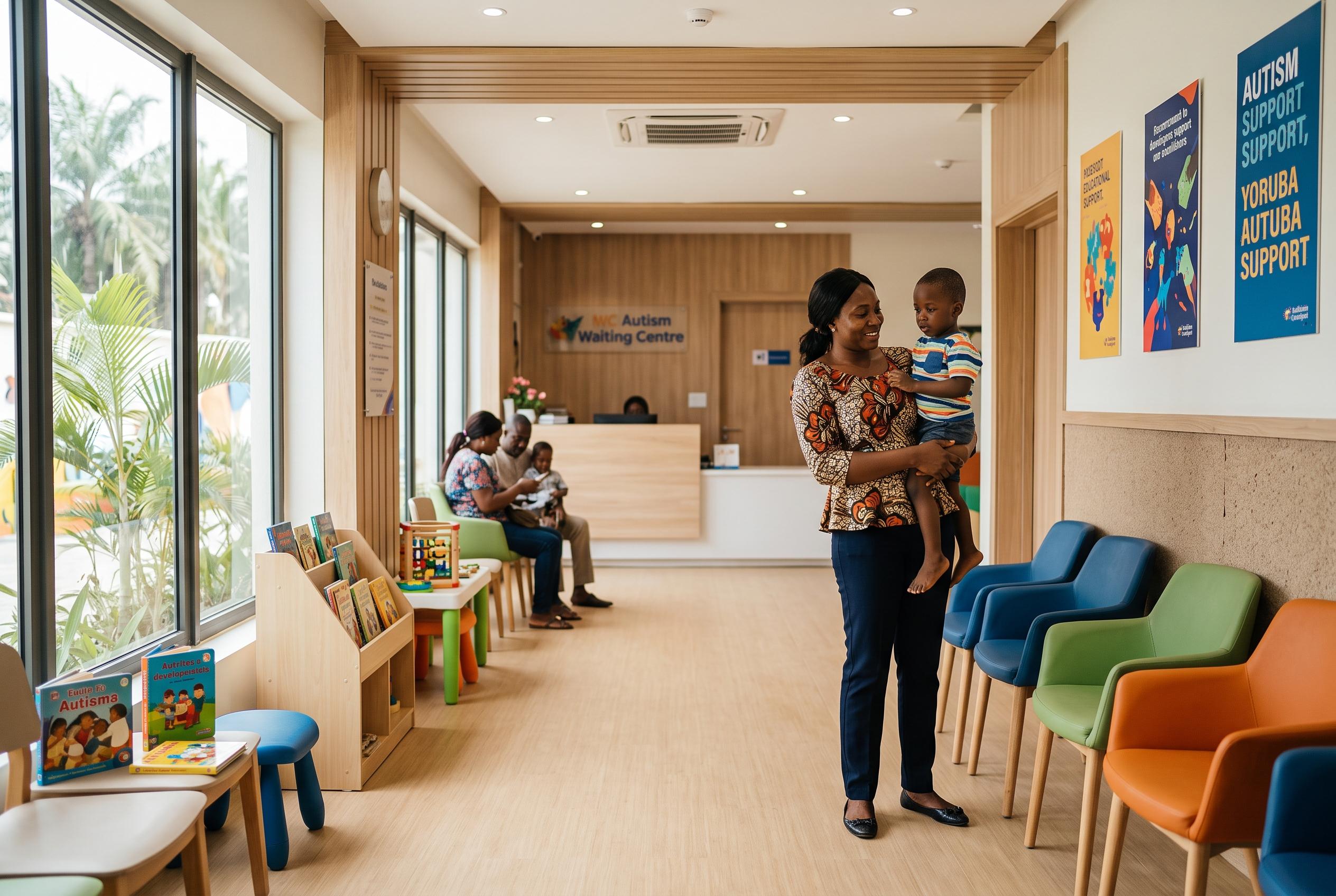

The Nigerian government announced its commitment to establishing six autism centres nationwide and enhancing university-based training to address a long-standing shortage of specialised professionals, aiming to improve diagnosis, therapy, and research services for children with developmental conditions.
Nigeria’s federal government says it will establish six regional autism centres and broaden specialist training in universities as part of a wider push to improve care for children with autism, attention deficit hyperactivity disorder and other developmental conditions.
Education Minister Maruf Tunji Alausa said the plan is intended to tackle a long-running shortage of trained professionals in audiology, speech and language therapy and occupational therapy. According to the ministry, the number of universities offering these courses has risen from about four to nearly 16, with more institutions expected to join the programme as demand grows.
The government also plans targeted support for universities already running the specialised courses, including upgraded facilities, modern equipment and teaching materials. Alausa said the goal is to build local capacity so families no longer have to travel abroad, or even to neighbouring countries, to find treatment for children with autism and ADHD. He said the initiative reflects President Bola Tinubu’s focus on human capital development.
The ministry has also instructed the National Board for Technical Education to speed up accreditation for the Federal School of Occupational Therapy and the occupational therapy diploma programme at the University of Benin. Officials say that would create a clearer route from diploma to degree level and strengthen professional development in the field.
The planned autism centres, due to open from 2027, would be spread across Nigeria’s six geopolitical zones and are expected to offer diagnosis, therapy and research services. The announcement comes as a number of local organisations already provide specialist support, including speech therapy, occupational therapy, behaviour therapy and family assistance, but with limited reach compared with national need.
Disclaimer: This content is for informational purposes only and is not intended to be a substitute for professional medical judgment, advice, diagnosis, or treatment.