

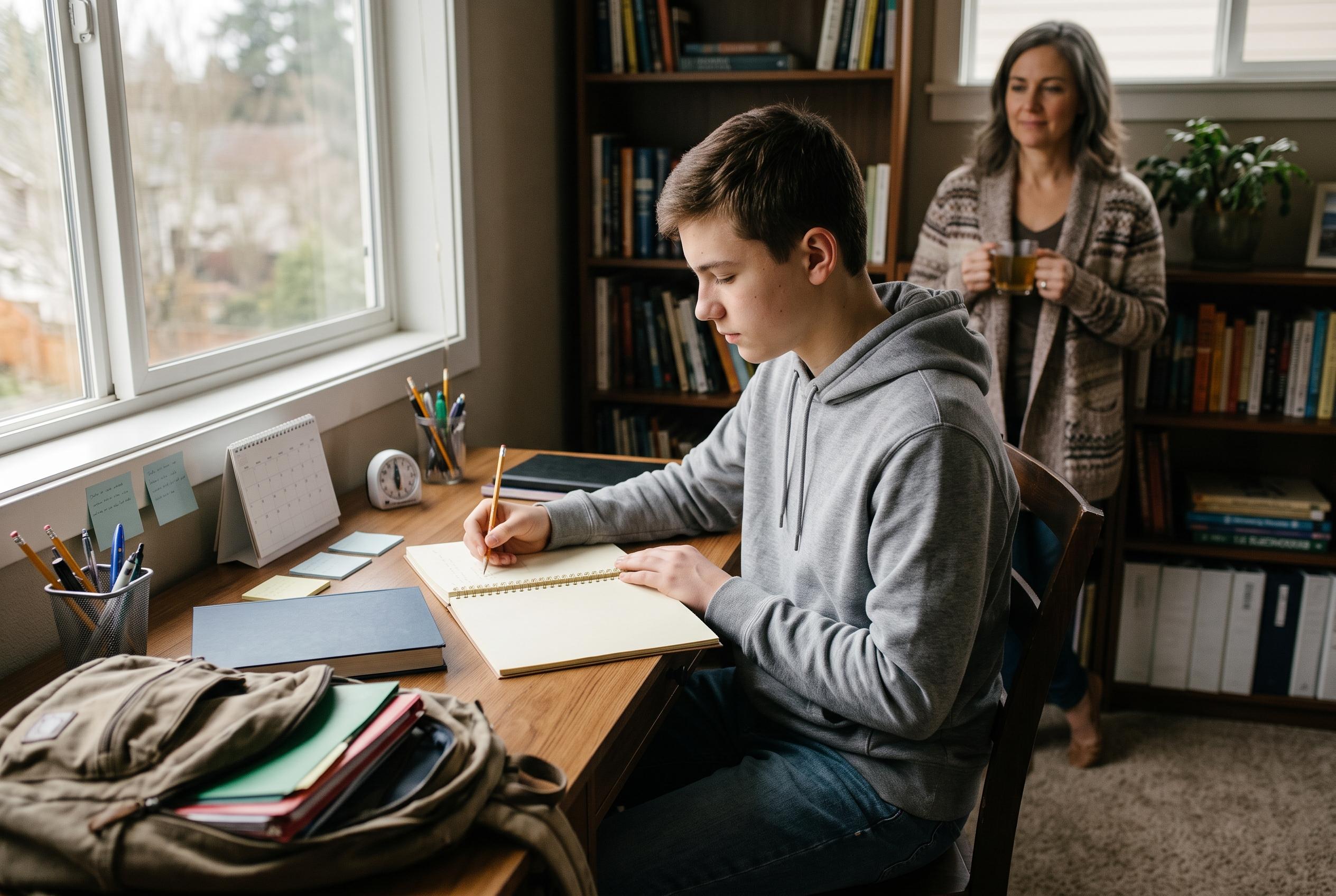

Practical approaches like visual checklists, structured routines, and fostering ownership are transforming support for adolescents with ADHD, helping them navigate school and independence more effectively.
Parents of teenagers with ADHD often wonder whether missed homework, forgotten books and last-minute panic are simply part of adolescence or signs of something more persistent. Dr Sarah Cheyette, a paediatric neurologist and author of “ADHD & The Focused Mind”, says the distinction lies in frequency: many people struggle with attention from time to time, but for someone with ADHD, distraction is present far too often. She also notes that the teenage years can be especially difficult, because adolescents are expected to be more independent even as their ability to manage impulses and organise themselves is still developing.
That gap between expectation and ability can create real pressure at school and at home. Cheyette explains that younger children with ADHD are often supported more closely by adults, while teenagers may face sharper consequences when they forget materials, miss deadlines or act on impulse. In one example shared in the original feature, a mother described her 13-year-old son repeatedly misplacing his book and homework. The point, Cheyette suggests, is not to shame young people into better behaviour, but to help them build systems that make focus easier to maintain.
One practical approach is to work with a teenager’s mindset rather than against it. Cheyette says people are generally more focused when they want to do something, so reframing a task can help. Instead of dwelling on the thought “I do not want to do my homework”, a teen might be encouraged to think about how finishing it will feel. Parenting advisers and mental-health resources for teens with ADHD make a similar point: shorter tasks, visual checklists, alarms and clearly defined steps can reduce overwhelm, while structured, clutter-free surroundings can make it easier to start and stay on task. Some experts also recommend movement breaks, which can help energy and attention without adding stress.
Environment matters, too. In the original feature, one parent said her son gets his homework done after school so he is less likely to be distracted by his phone and can still ask teachers for help. Cheyette advises parents to guide without taking over, using observations and open questions rather than orders. She suggests prompting teenagers to notice the problem themselves and think through what they might do differently next time. That approach can help them practise ownership, which is important if they are to build lasting habits instead of simply following reminders from adults.
Healthy routines also play a major role. Cheyette says good sleep, regular exercise and nutritious food all support attention, memory and self-control. Other ADHD guidance for teenagers similarly stresses simple supports such as exercise, reminders and breaking work into manageable chunks. Parents quoted in the original feature said their children were more emotionally steady when they ate well and slept enough. For families trying to judge whether a teenager’s behaviour is typical or related to ADHD, the practical question is often less about labels than about whether the child has the tools, structure and support needed to focus successfully.
Disclaimer: This content is for informational purposes only and is not intended to be a substitute for professional medical judgment, advice, diagnosis, or treatment.



