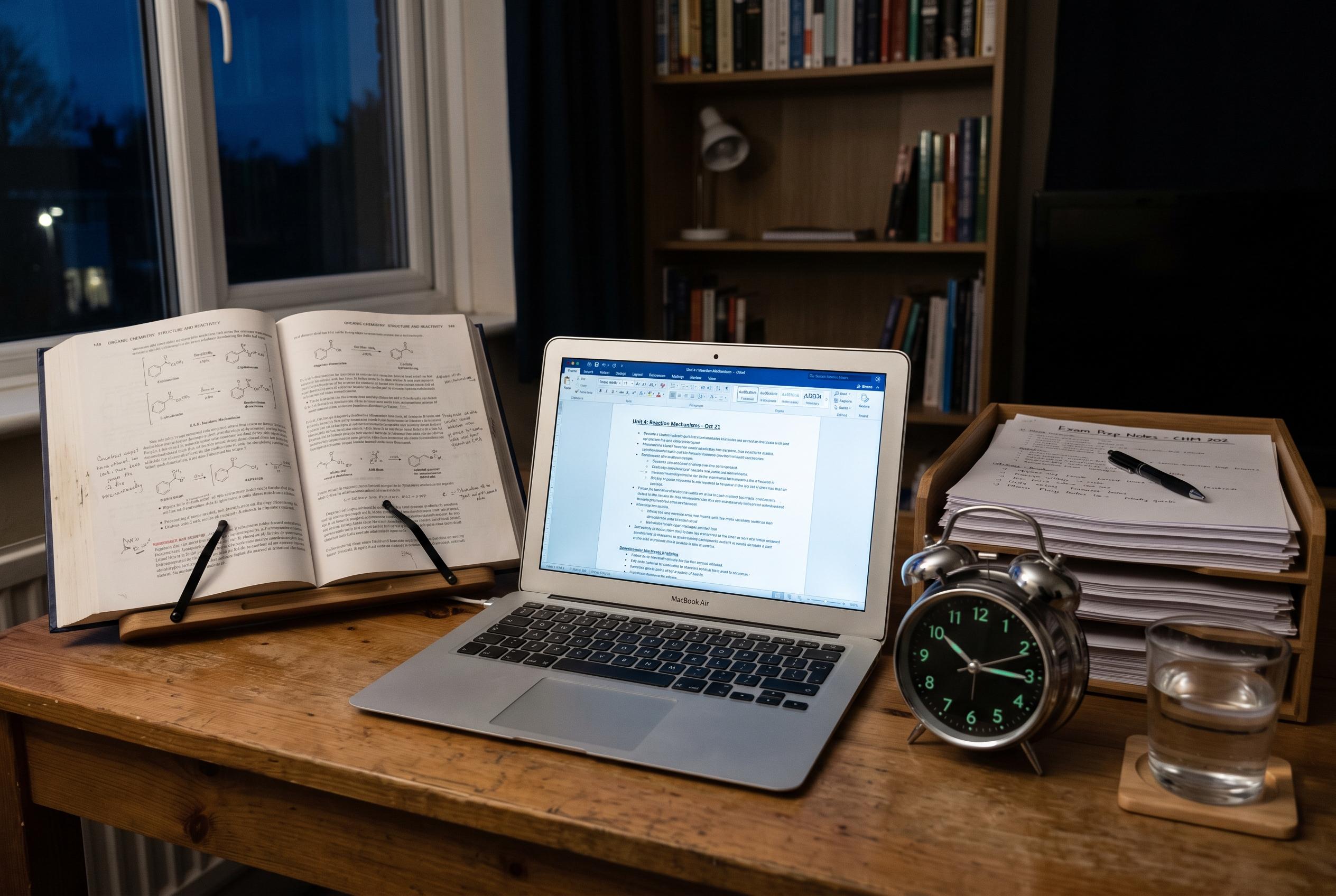

As students sacrifice sleep for studies, emerging evidence highlights significant impacts on cognition, mood, and overall health, urging a rethink of prioritising rest in academic routines.
As the new school year approaches, sleep is often the first thing students are willing to give up. Homework, revision and late-night scrolling can make cutting rest feel harmless in the moment, but the costs arrive quickly: poorer concentration, lower motivation and greater difficulty taking in new material. The result is that many students end up working harder while getting less from the effort.
The problem is not simply feeling tired. The Sleep Foundation says too little sleep affects attention, memory and the ability to learn new information, while also weakening decision-making and problem-solving. In practice, that means a student may sit through a lesson or reread notes for hours and still struggle to retain what they have covered.
Sleep also plays a central role in how the brain stores information. According to the Sleep Foundation, rest helps consolidate memory and supports learning, while sleep loss can disrupt both short-term and long-term recall. That creates a familiar trap for students: staying up later to study can make the next day less productive, which in turn pushes work further into the evening.
Mood is part of the picture too. The Sleep Foundation reports that insufficient sleep can make people more irritable, anxious and less able to cope with stress. For students already juggling classes, activities and social pressure, that can turn routine assignments into something that feels far more overwhelming than it should.
The wider health effects matter as well. The Sleep Foundation says sleep supports immune function, cardiovascular health, metabolism and hormonal balance. Good sleep habits do not remove academic pressure, but they can make it easier to handle. Even modest changes, such as reducing screen time before bed and getting to sleep a little earlier on some nights, can improve energy, focus and confidence.
Disclaimer: This content is for informational purposes only and is not intended to be a substitute for professional medical judgment, advice, diagnosis, or treatment.