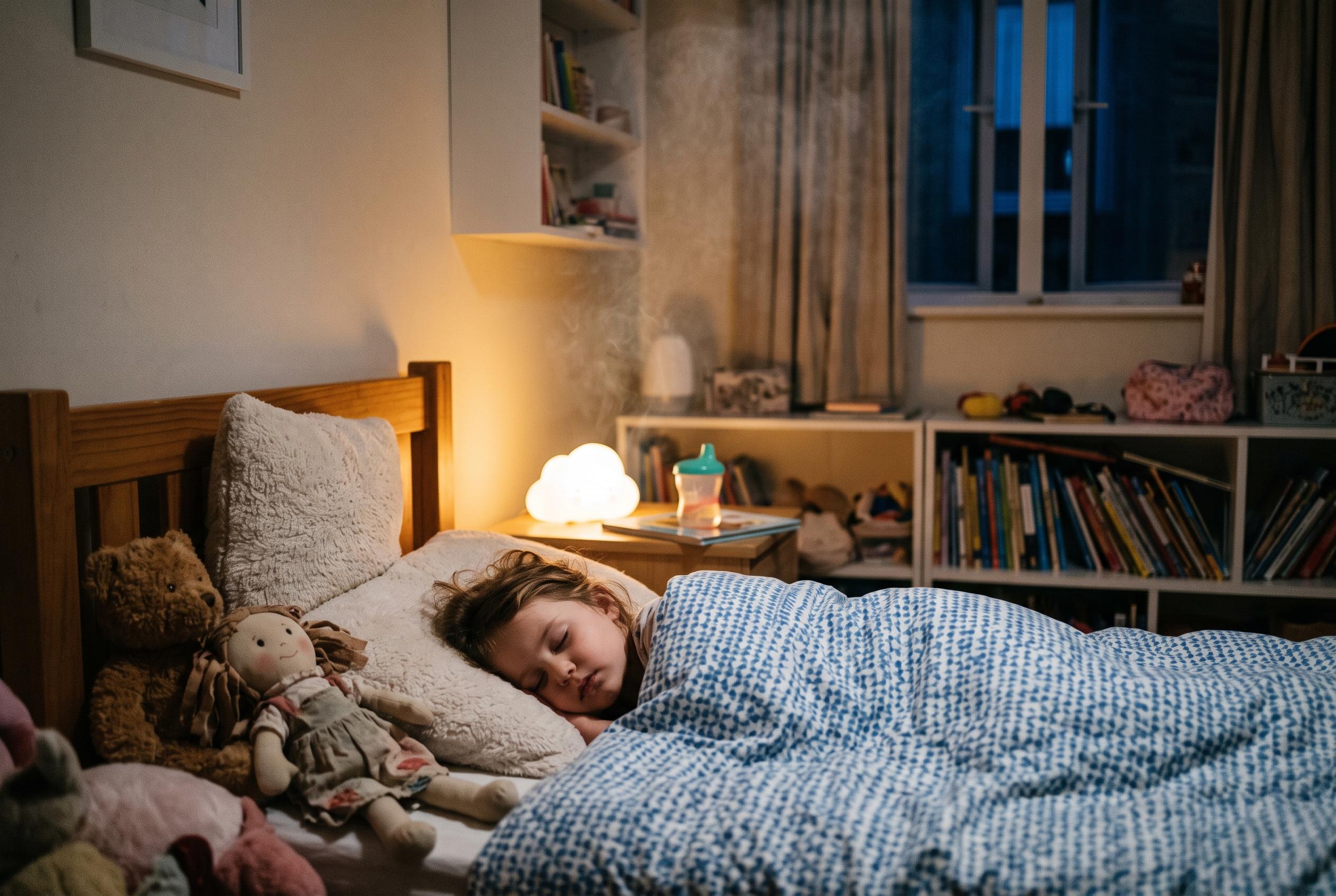

A recent study demonstrates that environmental tobacco smoke may interfere with children’s sleep patterns even when traditional breathing metrics are normal, highlighting the importance of biological testing to assess exposure.
A new study suggests that secondhand tobacco smoke may disturb children’s sleep even when it does not show up in standard measures of breathing problems. Researchers reporting in Scientific Reports found that children exposed to environmental tobacco smoke had more frequent arousals during sleep, while the usual markers of obstructive sleep apnoea did not differ meaningfully from those seen in unexposed children.
The prospective study followed 30 children aged 1 to 12 who were referred for suspected sleep-disordered breathing. Using overnight polysomnography and urine cotinine testing, the investigators found that exposed children had a 67% higher arousal index, a measure of how often sleep is interrupted. Higher cotinine levels were also linked with shorter total sleep time and lower sleep efficiency, suggesting that biological testing may capture exposure more reliably than parental reporting.
The findings fit a wider body of research pointing to a link between secondhand smoke and poorer sleep in children. A large Chinese study published in Sleep Health in December 2025, involving 188,090 children aged 6 to 18, found that exposure before birth, after birth or at the time of the survey was associated with greater sleep disturbance and a higher likelihood of sleep disorders. Earlier work in Sleep Health in 2021 also linked secondhand smoke with shorter sleep duration in childhood.
That broader literature has also suggested that tobacco exposure may worsen sleep-disordered breathing itself. A 2024 study in JAMA Otolaryngology-Head & Neck Surgery found that higher urinary cotinine levels were associated with more severe obstructive sleep apnoea in children. But the new Scientific Reports paper points to a different concern: smoke exposure may disrupt sleep independently, possibly through nicotine’s effects on arousal pathways and inflammation in the airways.
The study also exposed a gap between what parents reported and what the laboratory tests showed. Nearly half the children had at least one parent who smoked, and most of those parents said they smoked at least 10 cigarettes a day. Even so, many denied that their child was exposed to environmental tobacco smoke. The researchers said that gap strengthens the case for using biomarkers such as cotinine when clinicians assess sleep problems in children.
Disclaimer: This content is for informational purposes only and is not intended to be a substitute for professional medical judgment, advice, diagnosis, or treatment.