

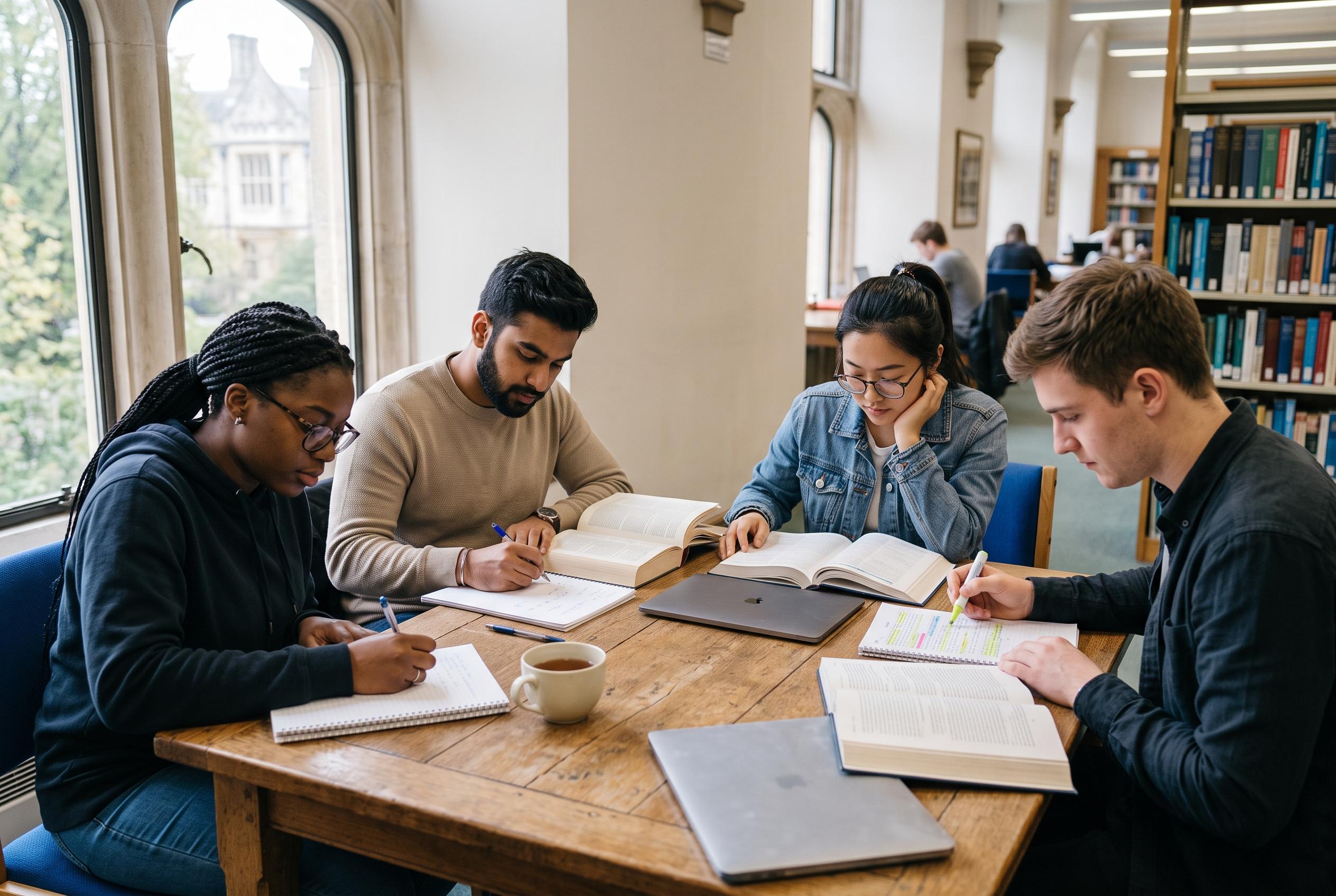

Recent studies highlight the physical and emotional toll of exam anxiety on students and offer evidence-based techniques, from mindfulness to structured routines, to help manage stress and optimise learning outcomes before and during tests.
Exam anxiety is more than a bout of nerves before a test. It can bring a racing heart, muscle tension, mental blanks and a sense of dread that starts well before the exam begins. Elizabeth Keohan, writing for Talkspace, describes it as a mix of emotional, physical and behavioural responses to the fear of negative evaluation, and recent research suggests those responses can affect learning as much as performance. A 2022 study in Psychological Science found that high levels of trait test anxiety were linked to smaller gains in knowledge during preparation, which means the problem can begin long before a student sits down at a desk.
The physical side of the problem can be striking. A 2022 study in Frontiers in Psychology found that test-anxious students showed greater sympathetic nervous system activity and lower parasympathetic activity under evaluative stress, a pattern that reflects the body’s heightened alert state. In practical terms, that can look like sweating, restlessness, trouble concentrating and a strong urge to escape the situation. Emotional symptoms such as panic, helplessness and persistent worry often sit alongside those reactions, making it harder for students to show what they know when it matters most.
Preparation can help, but not all study methods are equal. Keohan recommends spaced practice, active recall, sleep, regular meals and movement rather than last-minute cramming. The evidence supports that approach: the Psychological Science study found anxiety could interfere with learning during revision, not just on test day itself. For students who need extra support, a 2024 meta-analysis in Frontiers in Psychology found mindfulness-based interventions had a moderate to large effect in reducing test anxiety across different age groups and formats.
Other coping tools can help in the moment. Deep belly breathing, progressive muscle relaxation and positive self-talk may reduce physical arousal and steady attention during an exam. A 2024 study in Frontiers in Psychology also found that group impromptu music therapy lowered test anxiety and improved emotional regulation in medical students, pointing to the value of structured calming techniques. Keohan suggests keeping a simple desk kit ready too, such as water, earplugs, a breathing cue card or a stress ball, so students are not trying to improvise when pressure spikes.
The broader message is that exam anxiety is manageable, but it should not be dismissed as ordinary stress if it starts affecting sleep, eating, schoolwork or daily life. Research in Frontiers in Education also found that test anxiety can weaken creative problem-solving, underscoring how widely it can affect performance. For families and teachers, the most useful response is often early and practical: help students build realistic study habits, normalise calming routines and seek professional support when anxiety begins to feel overwhelming.
Disclaimer: This content is for informational purposes only and is not intended to be a substitute for professional medical judgment, advice, diagnosis, or treatment.



