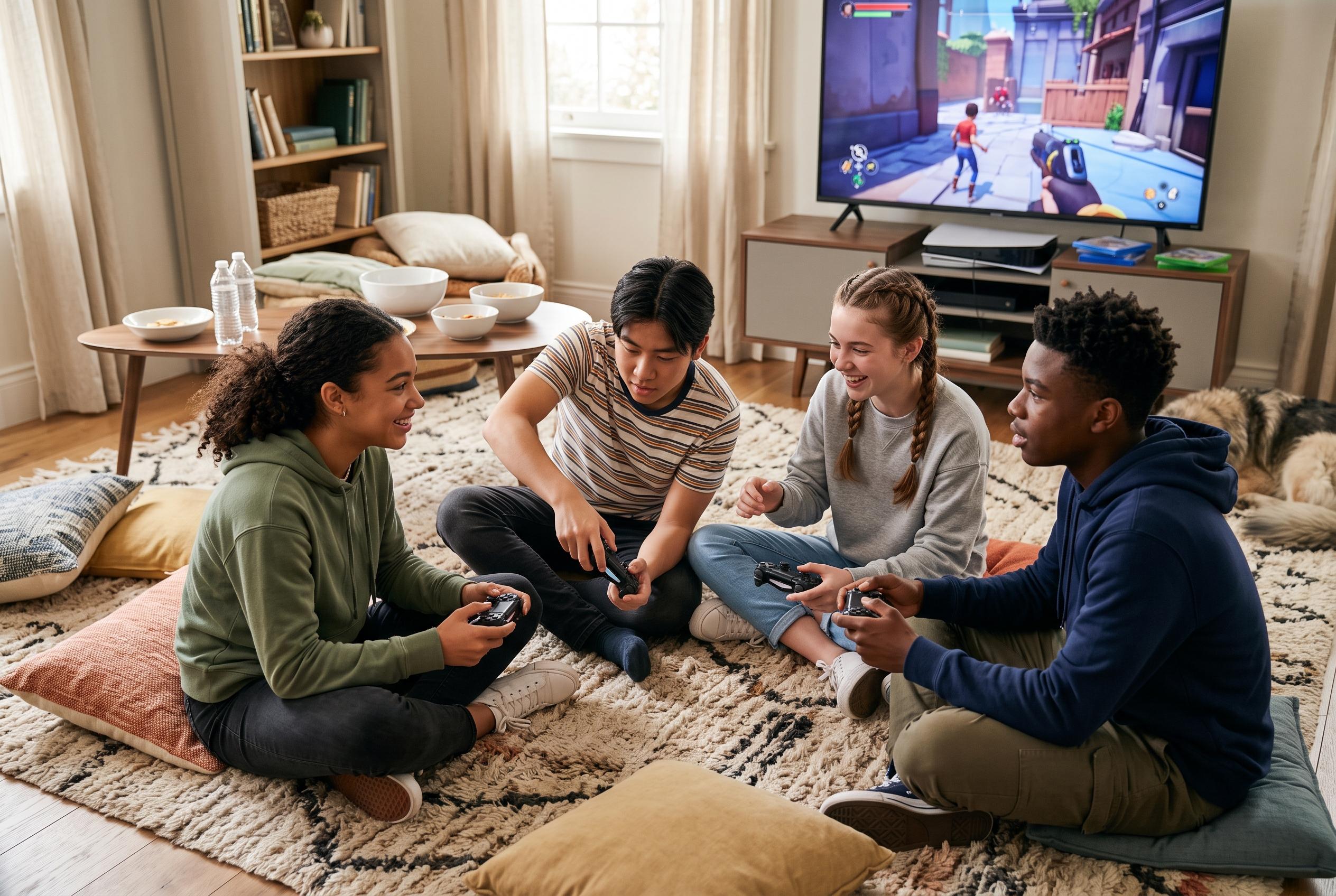

Emerging studies suggest that, contrary to common belief, thoughtfully used video games can support adolescent mental health by aiding stress management, social connection, and even acting as therapeutic tools, provided that moderation and oversight are maintained.
Video games are often blamed for distracting teenagers, but newer research suggests they may also offer real mental health benefits when used thoughtfully. A report in the Daily Journal examined whether gaming can help adolescents cope with stress and mood problems, a question that has become more relevant as gaming has become a routine part of teenage life. Pew Research Centre found that 85% of US teenagers play video games, and about four in 10 do so every day, making the medium hard to ignore in discussions about young people’s wellbeing.
That does not mean every game is good for every player. The same Pew survey found teens reporting both upside and downside: games can help with problem-solving, social connection and friendship, but they can also bring harassment, lost sleep and tension at home. WebMD has similarly noted that gaming may relieve stress and support mental stimulation, while warning that heavy use can be linked with anxiety and sleep disruption.
There is also a growing body of evidence that specially designed games may have a more direct therapeutic role. Johns Hopkins Medicine reported in September 2024 on a study published in JAMA Pediatrics that reviewed video games built as mental health interventions for anxiety, depression and ADHD in children and teenagers. The findings suggested the benefits were modest, but meaningful enough to indicate that well-designed games could become useful tools alongside other forms of care.
Researchers and clinicians still stress moderation. A review indexed by the National Centre for Biotechnology Information said gaming is central to adolescent life and can support cognition and social ties, but it also carries risks such as addictive patterns and aggression. The broad message is less that gaming is inherently good or bad, and more that the effects depend on the game, the amount of time spent playing and the level of adult oversight.
Disclaimer: This content is for informational purposes only and is not intended to be a substitute for professional medical judgment, advice, diagnosis, or treatment.