

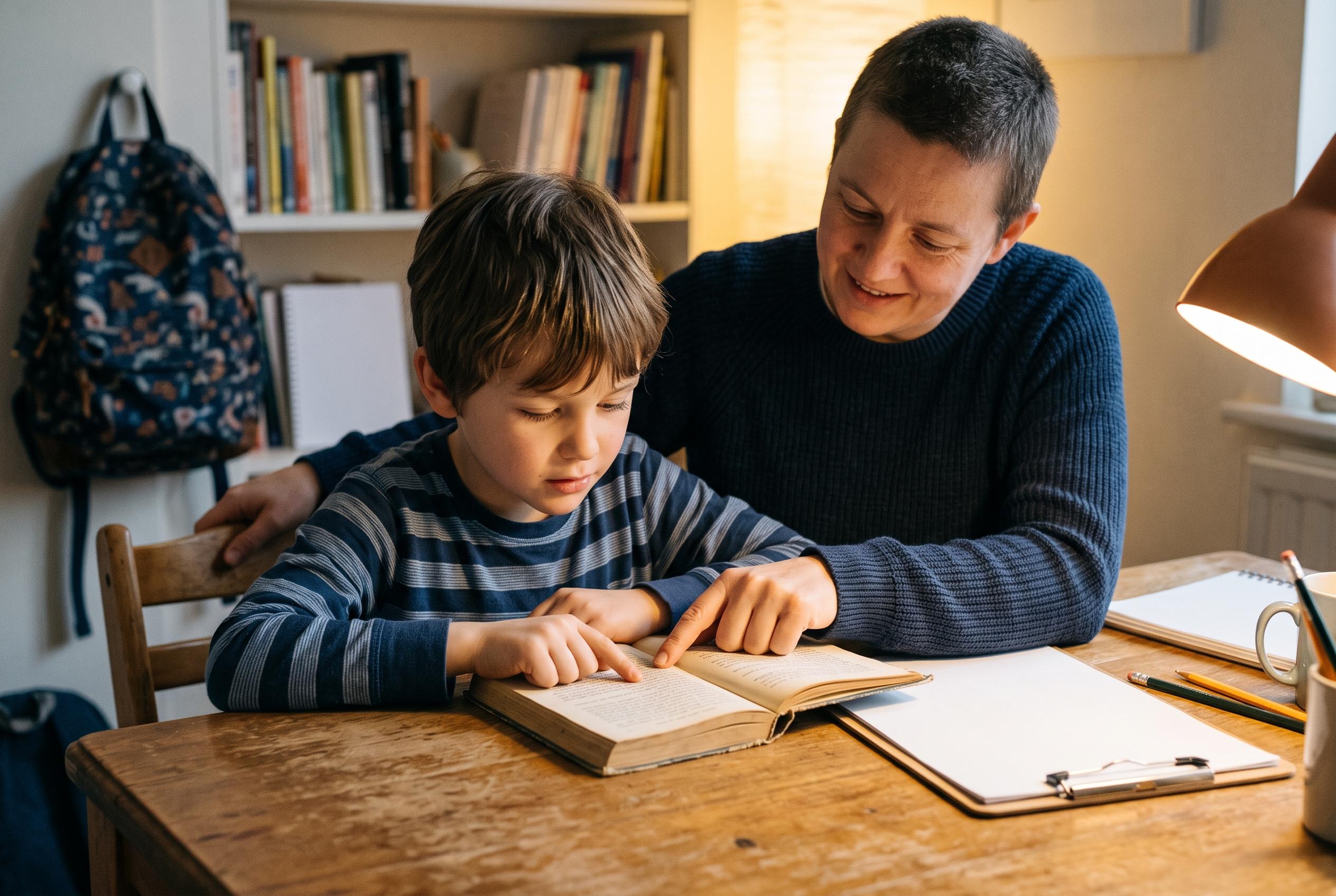

Paediatric expert highlights that early identification of dyslexia is crucial in supporting affected children, preventing emotional distress and improving learning outcomes, as research sheds light on specific signs and challenges in children’s reading development.
Children with dyslexia may look as though they are simply struggling with schoolwork, but the problem is more specific than that. Farid Agung Rahmadi, a paediatrician who specialises in child development, said dyslexia is a specific learning disorder that mainly affects reading. He said the difficulty often starts with recognising letter sounds and connecting them to written words, which can make reading slow, tiring and error-prone.
Rahmadi told a webinar of the Indonesian Paediatric Society, monitored by Republika in Jakarta on 15 September 2026, that the challenge is not a lack of understanding in general. When the same material is read aloud by someone else, he said, children with dyslexia often understand it much better. That distinction matters for parents and teachers, because it can prevent children from being unfairly judged as inattentive or less capable.
The signs are often easiest to spot in the first years of primary school, especially in Years 1 to 3. According to Rahmadi, children may struggle to learn the link between letters and sounds, find simple words hard to spell or read, and avoid reading and writing altogether. They may also tire quickly, complain of headaches or sleepiness during homework, and do much better in oral tests than in written ones. Other medical guides, including Alodokter, Halodoc and KlikDokter, describe dyslexia as a disorder linked to the brain’s language-processing areas, and stress that it does not reduce intelligence.
As children move into Years 4 to 6, the pattern may become clearer through persistently weak marks in certain subjects and the long time they need to complete classwork or homework. Rahmadi warned that repeated difficulty can begin to affect a child’s emotions and behaviour, leading to stress, tearfulness, low self-worth and, in some cases, anxiety or depression. MSD Manuals and other clinical references also note that some children with dyslexia may have broader language-related difficulties, including trouble with speech sounds, remembering letter names or distinguishing similar letters. The common thread across these sources is the same: early recognition and support can make a meaningful difference.
Disclaimer: This content is for informational purposes only and is not intended to be a substitute for professional medical judgment, advice, diagnosis, or treatment.



