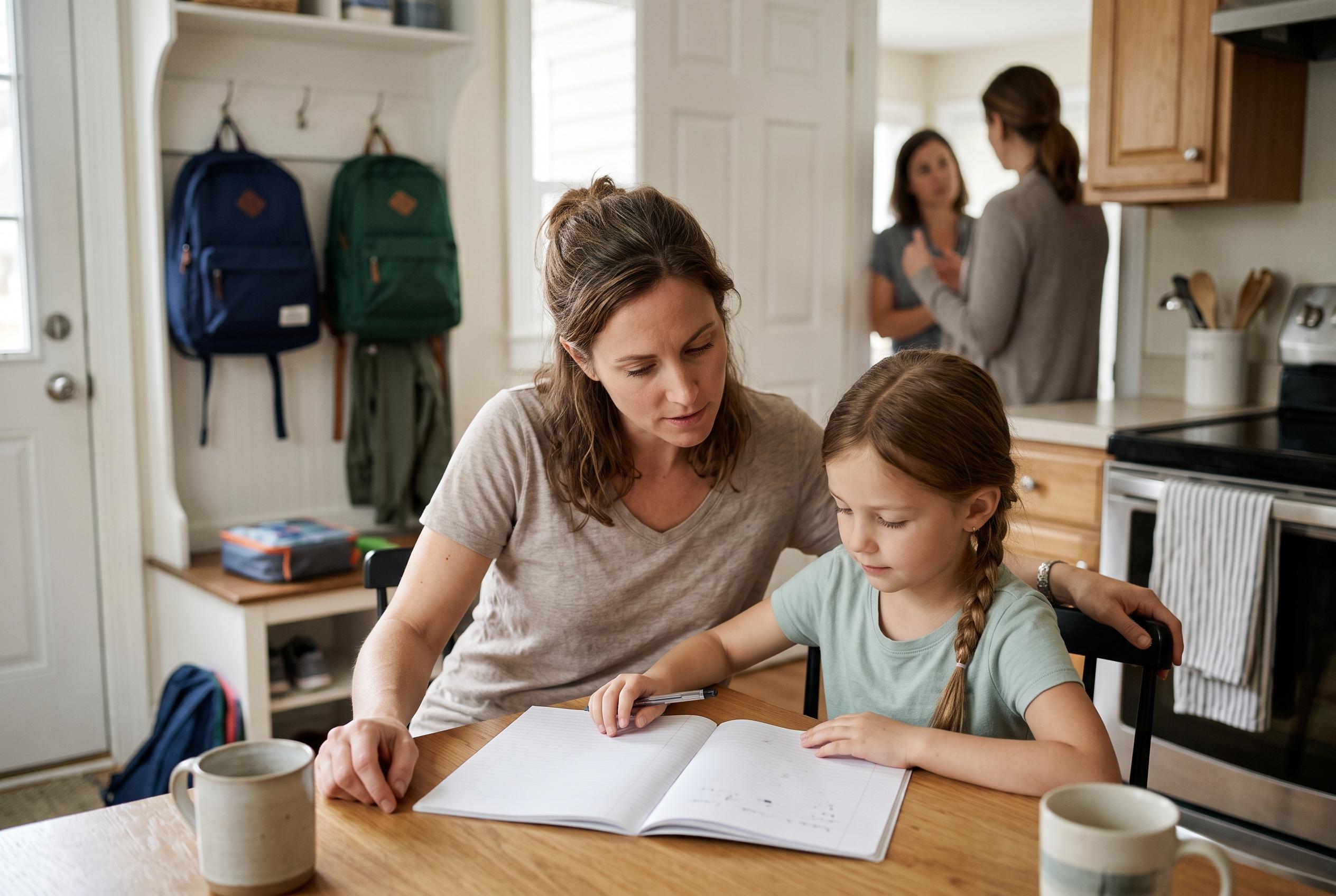

As the new school year begins, experts highlight the importance of early detection, family involvement, and understanding the differences between conflict and bullying to protect children’s wellbeing and foster respectful behaviour.
As the new school year begins, many parents are thinking about more than books and bus routes. They are also worrying about bullying, which can surface in classrooms, hallways, group chats and even at home between siblings. The risk is often dismissed as part of growing up, but experts say that view can leave children without the support they need.
In a recorded session highlighted by the original article, clinical psychologist Jacqueline Sperling stressed that bullying is not the same as ordinary conflict. Everyday disagreements usually involve children with relatively equal power, whereas bullying is repeated, intentional and shaped by an imbalance of power, whether physical, social or digital. That distinction matters because it helps parents respond to genuine harm without overreacting to normal friction between children. ChildcareEd, PACER and Michigan State University Extension all make the same basic point: conflict is mutual, bullying is one-sided and meant to hurt.
Sperling also noted that bullying behaviour can signal trouble in the child doing the bullying. Research-based guidance cited in the original piece points to problems with emotional regulation, empathy and stress as possible contributors. That does not excuse the behaviour, but it does suggest parents may need to look beyond the incident itself and ask what is driving it.
The warning signs are not always obvious, especially in younger children. Changes in sleep, appetite or mood, repeated stomach aches, or a sudden refusal to attend certain activities can all be clues. Teenagers may become more withdrawn, spend more time alone or guard their phones more closely. Cyberbullying can make matters worse because it follows children home and can make every space feel unsafe.
When a child opens up, the first step is to listen and reassure them. Simple responses such as “I am glad you told me” can do more than immediate advice, because they help children feel believed. Role-playing answers to common situations may also build confidence, especially for children who struggle to speak up in the moment.
If the bullying continues, escalates or appears to be affecting mental health, families may need help from the school or a professional. The original article recommends documenting incidents and speaking calmly with staff rather than waiting for the problem to pass. Schools and parents are more likely to make progress when they work together.
There is also a harder side to the issue: what to do when a child is the one bullying others. Experts say denial can stall change. Clear limits, consistent consequences and frank conversations about empathy and responsibility are essential. That approach is not just about punishment; it is about helping a child understand the damage they cause and giving them a chance to change.
Prevention, meanwhile, starts well before a crisis. Families that talk openly about kindness, handle sibling disputes fairly and model respectful behaviour give children a stronger foundation. In that sense, bullying prevention is not only about reacting to harm after it happens. It is about building a home culture where harm is less likely to take root in the first place.
Disclaimer: This content is for informational purposes only and is not intended to be a substitute for professional medical judgment, advice, diagnosis, or treatment.