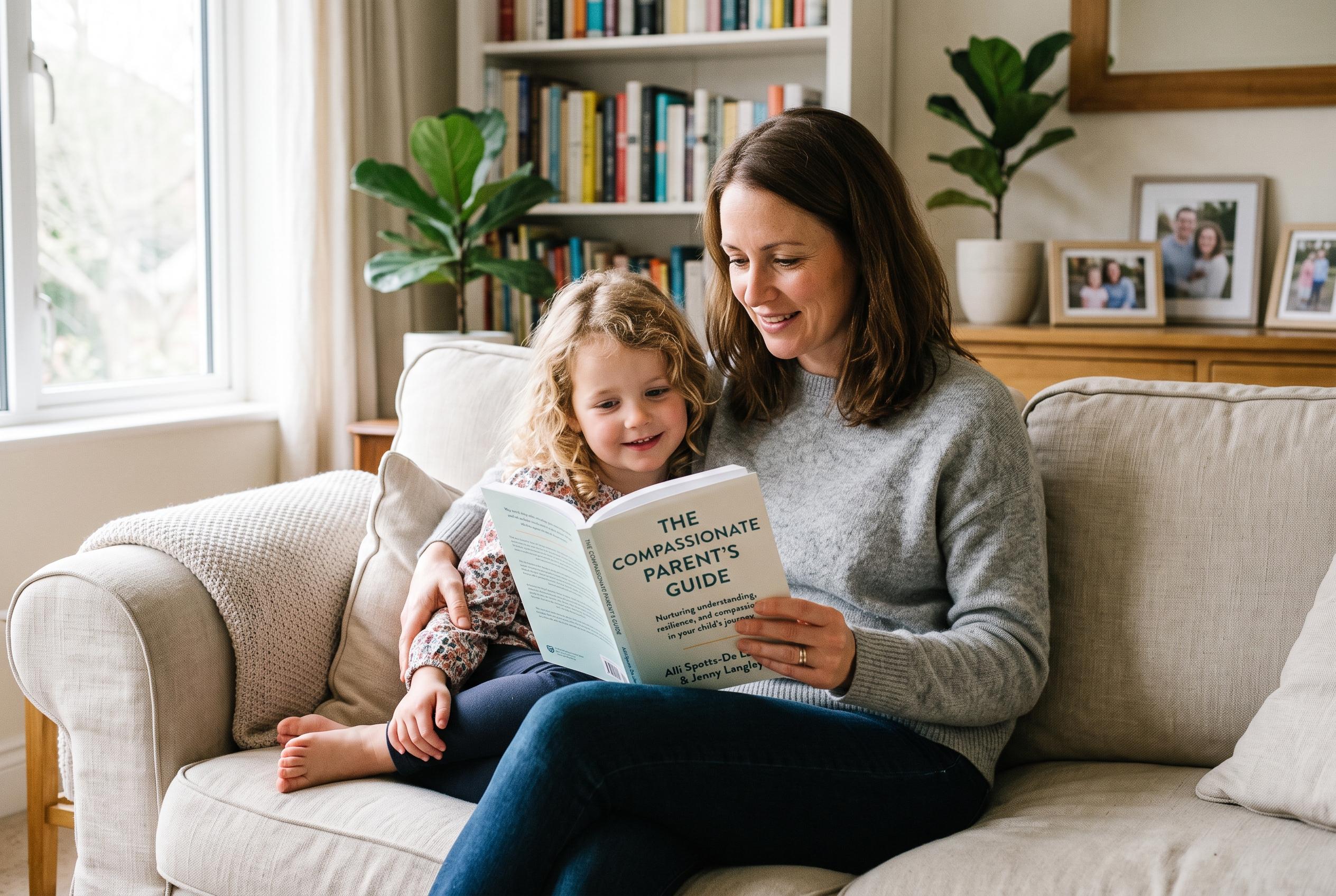

A comprehensive new book by Alli Spotts-De Lazzer and Jenny Langley helps parents navigate the complex realities of childhood eating disorders, emphasising understanding, compassion, and realistic recovery hopes.
Parents confronting a child’s eating disorder are often thrust into a state of fear and confusion, trying to understand what has changed and how serious the situation may be. In My Child Has an Eating Disorder: An Essential Guide for Parents of Kids, Teens, and Adults, Alli Spotts-De Lazzer and Jenny Langley set out to meet that moment with a blend of clinical knowledge, recovery insight and practical advice. The result, as reflected in the Psychology Today review, is a guide that treats eating disorders not as isolated problems in a single person, but as illnesses that reverberate through the whole family.
A central strength of the book is its insistence that eating disorders are psychiatric conditions, not fads, habits or simple attempts to lose weight. The authors cover anorexia nervosa, bulimia nervosa, binge eating disorder, avoidant/restrictive food intake disorder and other specified feeding and eating disorders, while pushing back against the idea that these illnesses affect only one type of person. The National Institute of Mental Health likewise describes eating disorders as serious disorders of eating behaviour that can damage both physical and mental health and require treatment.
The review also highlights a painful reality for many parents: the sense that their child has become unrecognisable. Eating disorders can reshape behaviour, mood and relationships, often bringing secrecy, withdrawal, anger or rigidity that seems out of character. The book uses lived experience to show how strongly the illness can dominate thinking and decision-making, which helps explain why compassion matters even when a child’s actions are distressing. That broader understanding can help families respond without turning instinctively to blame.
Another important theme is that eating disorders do not fit a single stereotype. They affect people of different ages, genders, body sizes and backgrounds, and diagnoses can shift over time. That matters because assumptions can delay recognition and care. The book encourages parents to watch for behaviours and health changes rather than relying on appearance alone, a point that aligns with NIMH’s emphasis on eating disorders as medical and psychiatric illnesses rather than visual categories.
The guide also makes space for caregivers, arguing that parents need support too. It encourages families to learn from reliable sources, seek support groups, question their own beliefs about food and body image, and accept that recovery rarely follows a straight line. Above all, it offers a realistic form of hope: not a promise of quick fixes, but a reminder that recovery can mean rebuilding a healthier relationship with food, exercise and the body while reclaiming a meaningful life beyond the illness.
Disclaimer: This content is for informational purposes only and is not intended to be a substitute for professional medical judgment, advice, diagnosis, or treatment.