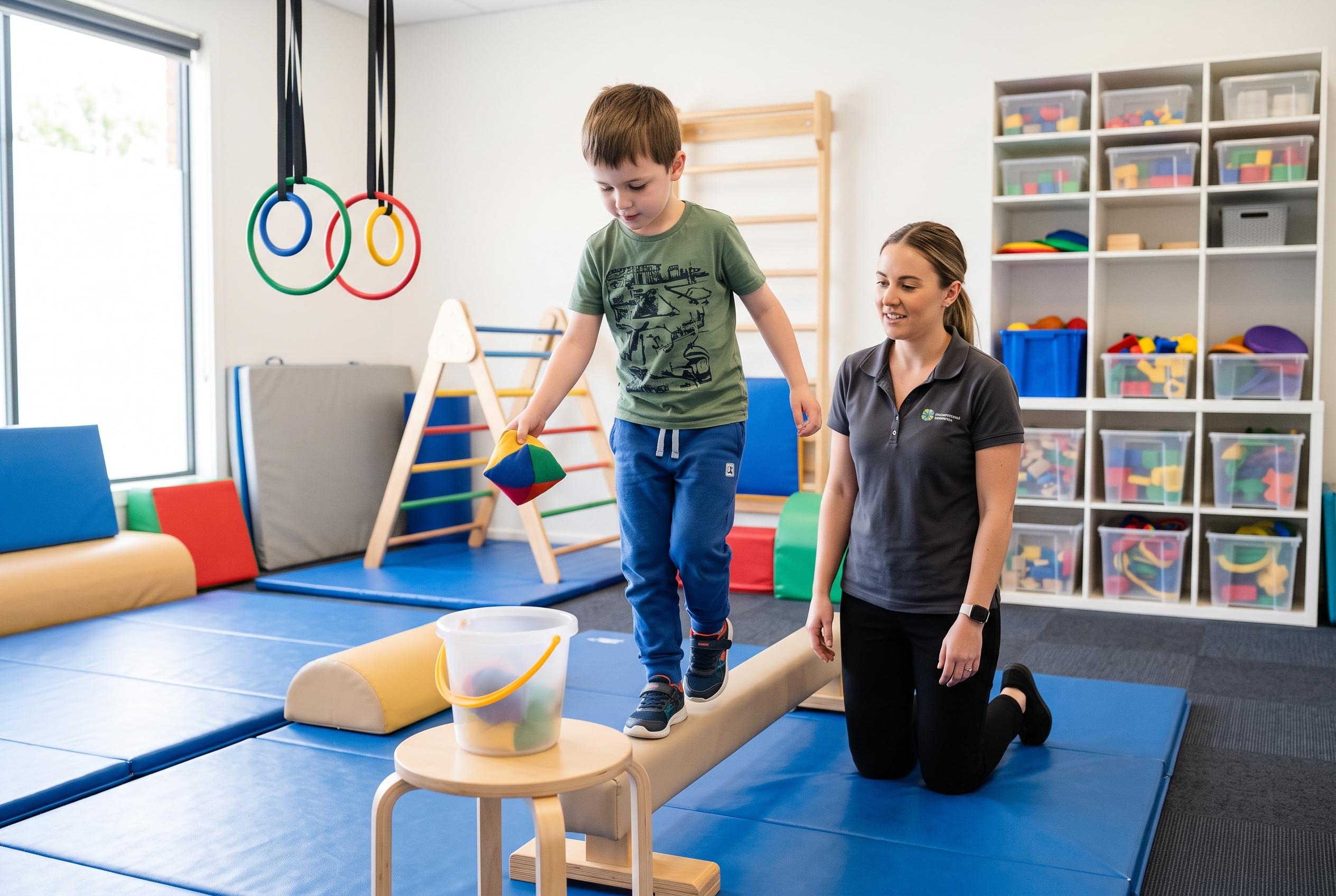

A comprehensive meta-analysis reveals that children and adolescents with autism experience significant motor impairments across various domains, underscoring the importance of early assessment and targeted interventions to improve daily participation and quality of life.
Children and adolescents with autism spectrum disorder are more likely than their typically developing peers to struggle with motor skills, according to a systematic review and meta-analysis published in Autism Research. The analysis found weaker performance across a wide range of tasks, including manual dexterity, balance, locomotion and object control, reinforcing the view that motor difficulties are not a side issue in autism but part of the broader developmental profile.
The review pooled findings from 42 studies involving 3,142 children and adolescents aged three to 18. It covered assessments such as the Movement Assessment Battery for Children, the Bruininks-Oseretsky Test of Motor Proficiency, the Test of Gross Motor Development, and smaller studies using other standard batteries. Across these measures, the pattern was consistent: autistic participants generally scored lower than typically developing peers, although the size of the gap varied by test and domain.
The strongest evidence came from the Movement Assessment Battery for Children, the most commonly used tool in the review. Across 15 studies reporting total scores, children and adolescents with autism scored significantly lower overall. The meta-analysis also found higher odds of falling into clinical ranges for motor difficulty, using the test’s percentile cut-offs. Domain-level results pointed to broad impairment across manual dexterity, aiming and catching, and balance, though some individual studies found no significant differences in particular subtests.
Gross motor skills showed a similar pattern. All studies using the Test of Gross Motor Development reported poorer locomotor and object-control performance in the autism group, and the pooled analysis confirmed significantly lower scores in both areas. The Bruininks-Oseretsky results were also broadly negative, with lower total and composite scores in autistic participants and especially consistent findings for manual coordination. Smaller studies using the Peabody Developmental Motor Scales, the PANESS and the Zurich Neuromotor Assessment also pointed in the same direction.
The findings matter because motor skills help shape daily participation, physical activity and independence. Earlier reviews have linked motor problems in autism to later challenges in social participation and everyday functioning, while other work suggests that balance and coordination deficits may be closely tied to quality of life. The new synthesis also sits alongside growing evidence that early motor delays can appear before other developmental signs and may become more pronounced with age.
Still, the authors urged caution. Many of the studies relied on small samples, used different scoring systems, or did not fully report sampling methods and other design details. Some included children with intellectual disability while others did not, which may have affected comparability. Even so, the overall message was clear: motor competence in autism deserves more routine assessment, and interventions aimed at balance, coordination and fundamental movement skills may help improve both functioning and participation.
Disclaimer: This content is for informational purposes only and is not intended to be a substitute for professional medical judgment, advice, diagnosis, or treatment.