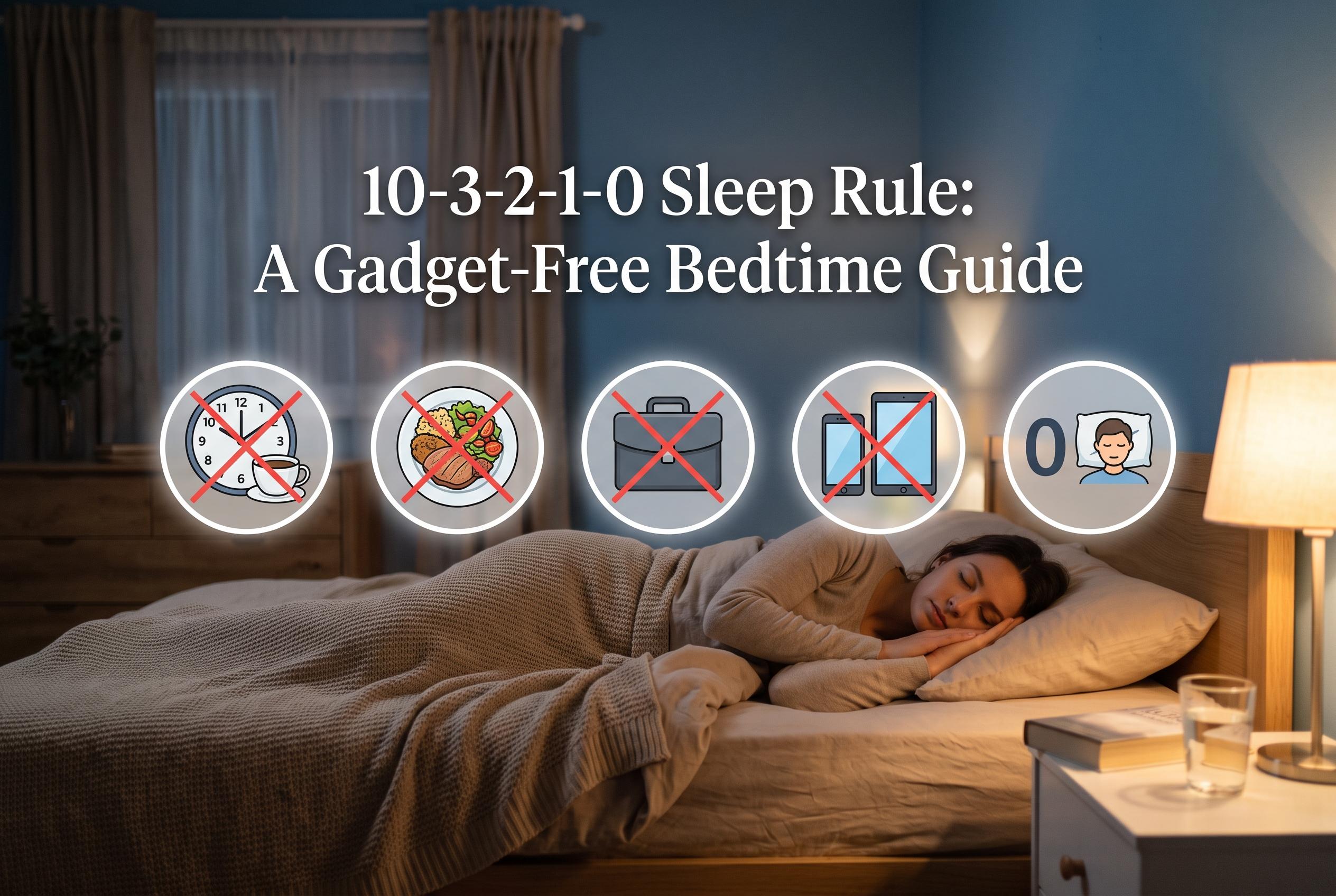

A simplified sleep routine known as the 10-3-2-1-0 rule is capturing attention for offering a straightforward countdown to bedtime, emphasising habits like limiting caffeine, meals, work, and screens without the need for apps or devices. Experts see it as an accessible starting point for improving sleep quality.
A social-media-friendly sleep routine known as the 10-3-2-1-0 rule is gaining attention for offering a simple countdown to bedtime without gadgets or apps. According to reporting cited by Mediafax, the idea condenses basic sleep-hygiene advice into a fixed sequence that has appealed to people looking for a clear evening structure.
The rule breaks the night down into five cut-offs: avoid caffeine 10 hours before sleep, stop eating 3 hours before, leave work 2 hours before, switch off screens 1 hour before and aim for zero snoozes in the morning. The Sleep Foundation says the framework is designed to reduce common sleep disruptors and make bedtime habits more consistent.
Specialists say the caffeine warning is the most important part for many people. The Sleep Foundation notes that caffeine can remain active in the body for several hours, and that people metabolise it at different speeds, which means some are still affected long after their last coffee. The rest of the routine is aimed at helping the body slow down: eating earlier can ease digestion, finishing work sooner may reduce stress hormones and avoiding screens before bed can limit exposure to light that interferes with melatonin production.
Experts also caution that the method is not equally useful for everyone. Mediafax quoted a psychologist as saying it tends to work best for people with irregular sleep patterns or those who feel overstimulated in the evening. Still, sleep specialists say the approach can be a practical starting point, especially because sticking to the first four steps often makes the final one , getting up without hitting snooze , easier to achieve.
Disclaimer: This content is for informational purposes only and is not intended to be a substitute for professional medical judgment, advice, diagnosis, or treatment.