

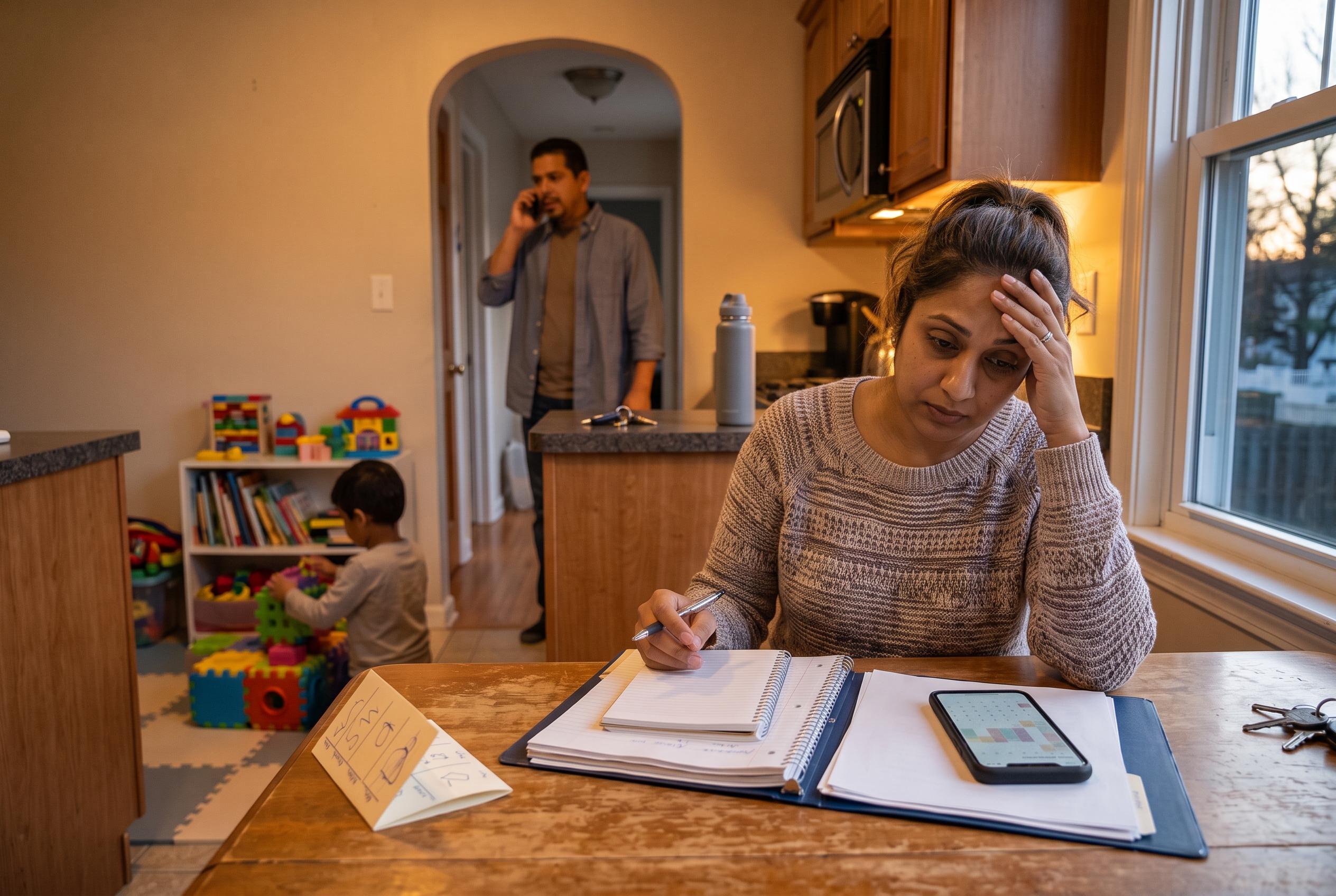

Families in New Jersey face complex waits for ABA therapy, but understanding referral routes, leveraging public services, and managing daily routines can provide crucial support during delays.
For families in New Jersey, an ABA therapy waiting list can feel less like a queue and more like a maze. The most useful first step is to identify exactly where the delay sits: an initial assessment, a treatment opening, or insurance approval. That distinction matters because each stage moves on its own timetable, and each may need a different kind of follow-up.
A clearer picture can also help parents decide whether to wait, widen the search or pursue other support at the same time. If a provider has assessment slots but no regular therapy hours, for example, the next question is not simply how long the wait is, but whether the opening would realistically fit around school, travel and family routines. A schedule that cannot be sustained often creates more disruption than relief.
While private therapy is pending, New Jersey families can still explore public services. The state Department of Health says its Early Intervention Programme serves eligible infants and toddlers with developmental delays or disabilities, and parents can call 888-653-4463 to ask about referral steps. For older children, the state education department says parents may request a developmental or learning evaluation through their local school district, using a written referral for special education assessment.
That parallel approach can be important because school-based and early childhood services follow different rules from private ABA providers. The school system looks at educational need, while early intervention focuses on eligibility for younger children and the supports that best fit that stage of development. In practice, that means a child does not need to be off a private waiting list before a parent seeks help elsewhere.
At home, the goal should be to reduce pressure, not to recreate therapy. Experts and advocacy groups commonly recommend simple, manageable supports such as visual schedules, predictable routines and small adjustments to transitions. Those changes can make daily tasks easier without turning family life into a clinical programme. A few steady habits, such as warning a child before a change or offering two clear choices, may be enough to ease some of the strain while families wait.
Parents should also remember that waiting for ABA does not rule out other questions that need medical attention. A sudden loss of skills, new sleep problems or behaviour that affects safety deserves prompt discussion with a paediatrician or another qualified clinician. The National Institute of Child Health and Human Development and the Centres for Disease Control and Prevention both emphasise the value of early assessment and intervention when autism-related concerns arise.
Disclaimer: This content is for informational purposes only and is not intended to be a substitute for professional medical judgment, advice, diagnosis, or treatment.



