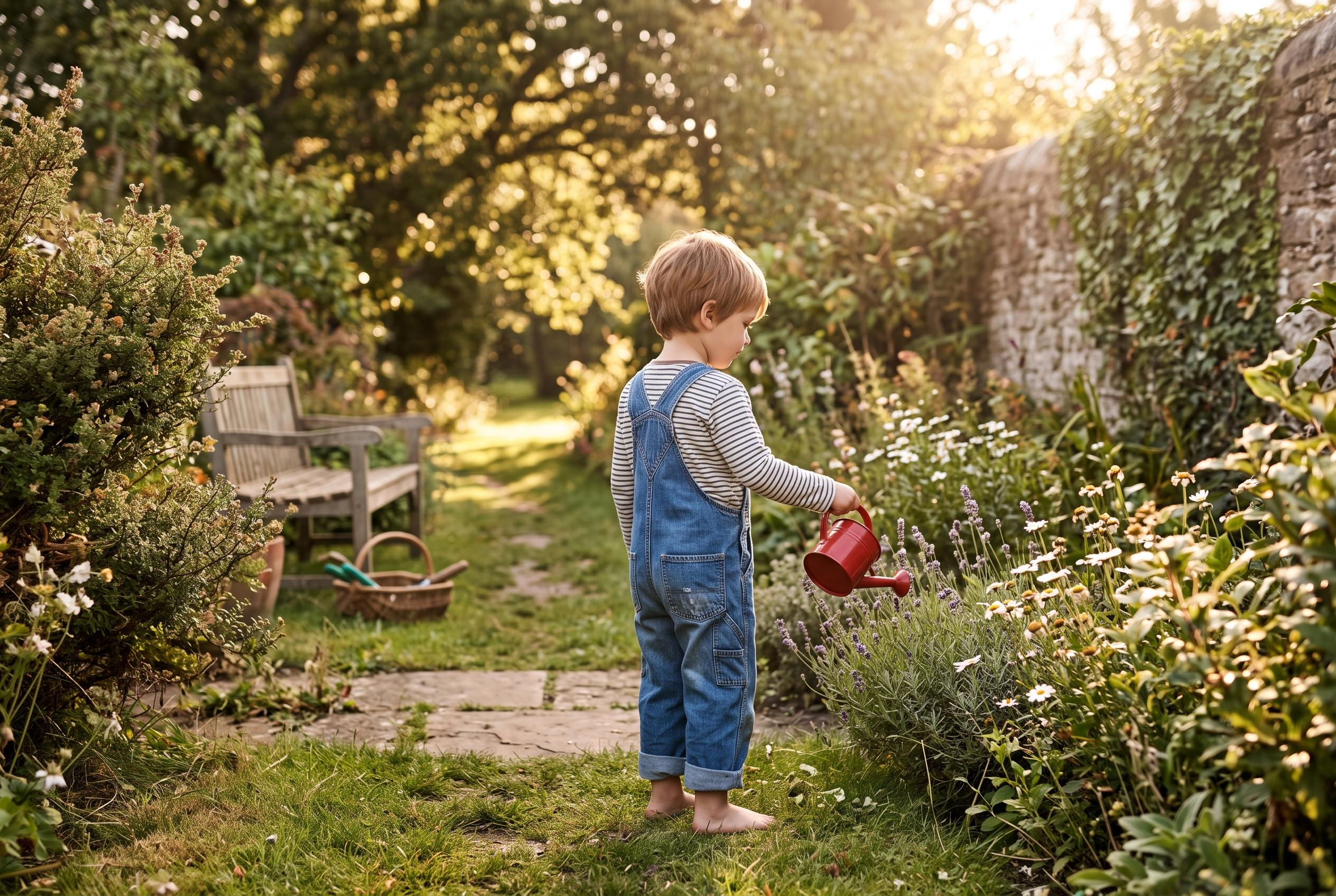

Experts suggest that getting children outside for 10 to 30 minutes of morning sunlight can improve alertness, sleep timing, and mood, offering a simple way for families to start the day more calmly and healthily.
Morning light may be one of the simplest ways to help children start the day with more focus and steadier energy. According to HealthStruct and Circadian Sync, light is the main cue that sets the body’s internal clock, influencing sleep timing, alertness, hormones and mood. For children who wake up groggy, the issue may be less about discipline and more about a circadian rhythm that has drifted out of step with the day.
The idea is straightforward: get outside soon after waking, ideally within 30 to 60 minutes. HealthStruct recommends about five to 10 minutes of outdoor daylight within an hour of rising, while Circadian Stack and Matthew Nut describe a broader protocol of 10 to 30 minutes of bright light in that same window. Simply Psychology says morning light also helps advance and stabilise sleep timing, while supporting the normal morning rise in cortisol that helps the body feel alert.
Supporters of the approach say it works best when it becomes part of an ordinary family routine rather than a special project. That can mean eating breakfast on the patio, walking to school when possible or pairing the light exposure with a short burst of movement such as stretching or a walk round the block. The key point, according to Circadian Sync and Designing Longevity, is that outdoor light is far stronger and more biologically useful than indoor lighting, even on cloudy days.
The advice also comes with limits that parents should keep in mind. The goal is indirect outdoor light, not staring at the sun, and the routine should be realistic for a family’s schedule. Still, the broader case made by these sources is that morning sunlight can support sleep, daytime alertness and mood by anchoring the body’s 24-hour clock. For families trying to make mornings calmer and bedtimes easier, that makes a few minutes outside a potentially powerful habit.
Disclaimer: This content is for informational purposes only and is not intended to be a substitute for professional medical judgment, advice, diagnosis, or treatment.