

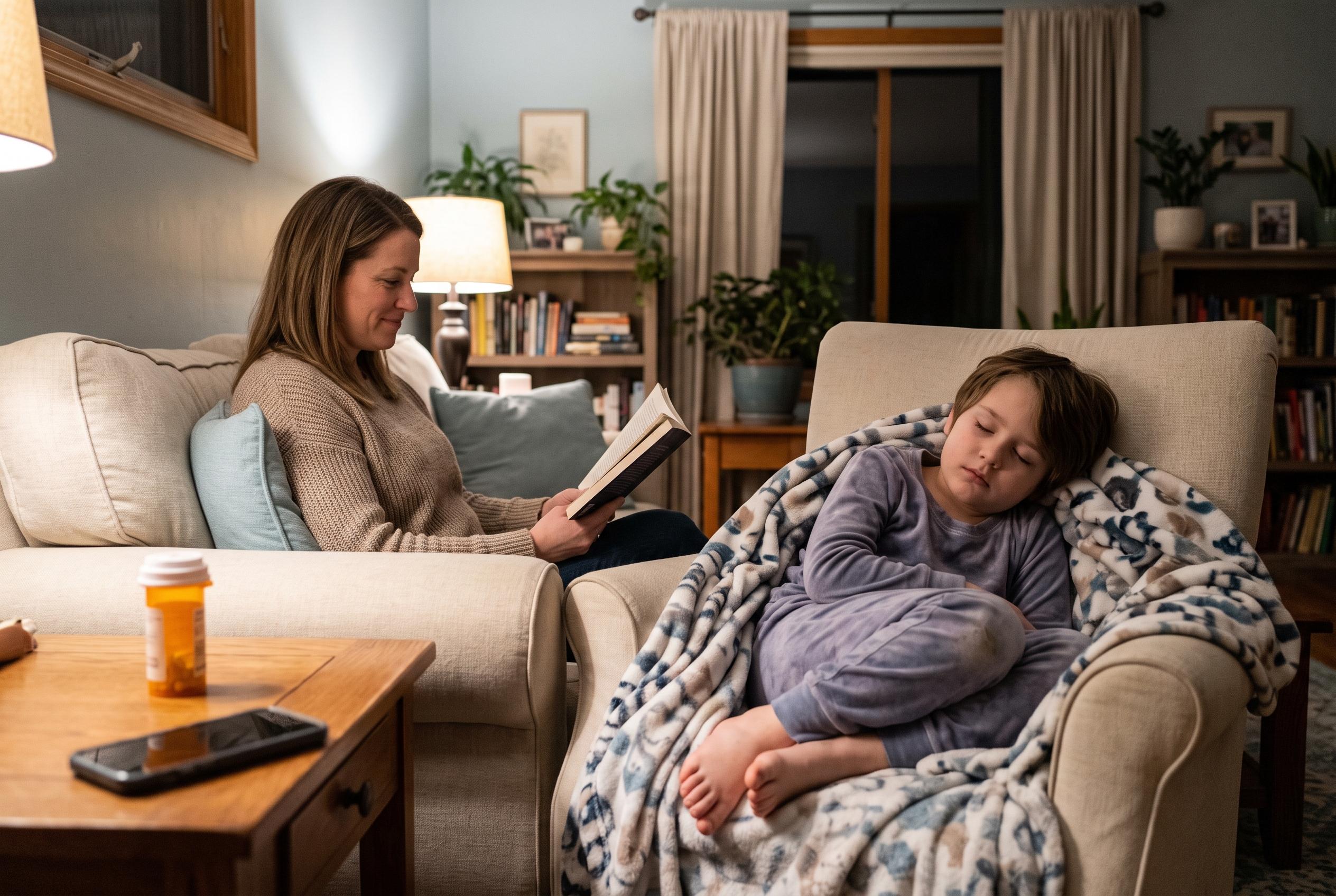

A large-scale observational study in Minnesota reports notable reductions in anxiety, depression, sleep issues, and fatigue among autistic individuals using medical cannabis, signalling potential benefits and the need for further research.
Minnesota researchers say adults and children with autism who enrolled in the state’s medical cannabis programme reported marked improvements in anxiety, depression, sleep problems and fatigue within months of starting treatment, in one of the largest real-world studies yet of cannabis use in autism spectrum disorder.
According to the state Office of Cannabis Management, the analysis covered 1,811 adult and paediatric patients certified with autism spectrum disorder between 1 August 2018 and 31 July 2024. Anxiety was the most common problem reported by participants, with 88.3% describing symptoms as moderate to severe at the outset. Of those with the most significant anxiety, 57% saw what the agency defined as a meaningful improvement, meaning at least a 30% reduction in symptoms within four months of their first purchase, and 34.3% were able to sustain that level of improvement for at least four months.
The report found similarly strong signals for depression. Among patients with moderate to severe depression, 63.4% recorded a meaningful reduction within four months, while 42.9% maintained that improvement. The findings were less pronounced, but still notable, for disturbed sleep and fatigue: 37.3% of patients with significant sleep problems and 34.4% of those with fatigue achieved and maintained meaningful reductions. The office said outcomes were broadly similar between children and adults for anxiety, depression and fatigue, although adults were somewhat more likely to maintain improved sleep scores.
The study arrives amid a broader, still-developing body of research on cannabis and autism. A 2025 study indexed by PubMed found that CBD-rich cannabis was associated with reduced anxiety and some repetitive behaviours in autistic children over six months, while earlier studies in 2019, 2021 and 2022 explored the safety, efficacy and mood-related effects of medicinal cannabis in people with autism and in patients with anxiety and depression more generally. Even so, Minnesota’s report is observational rather than a controlled clinical trial, and the office said it does not compare patients using cannabis with those who did not, nor does it account for other treatments the participants may have been taking.
Officials framed the report as part of Minnesota’s effort to build evidence from patient experience. Eric Taubel, the office’s executive director, said the findings show the value of listening to patients and using real-world data to understand how medical cannabis may affect quality of life. Grace Christensen, a senior research analyst at the office, said there are still very few clinical trials using cannabis as a treatment in autism spectrum disorder, which makes the new data useful for future study. The Autism Society of Minnesota also welcomed the results, saying reductions in anxiety and depression are particularly important because those concerns are common in the autism community.
Disclaimer: This content is for informational purposes only and is not intended to be a substitute for professional medical judgment, advice, diagnosis, or treatment.



