

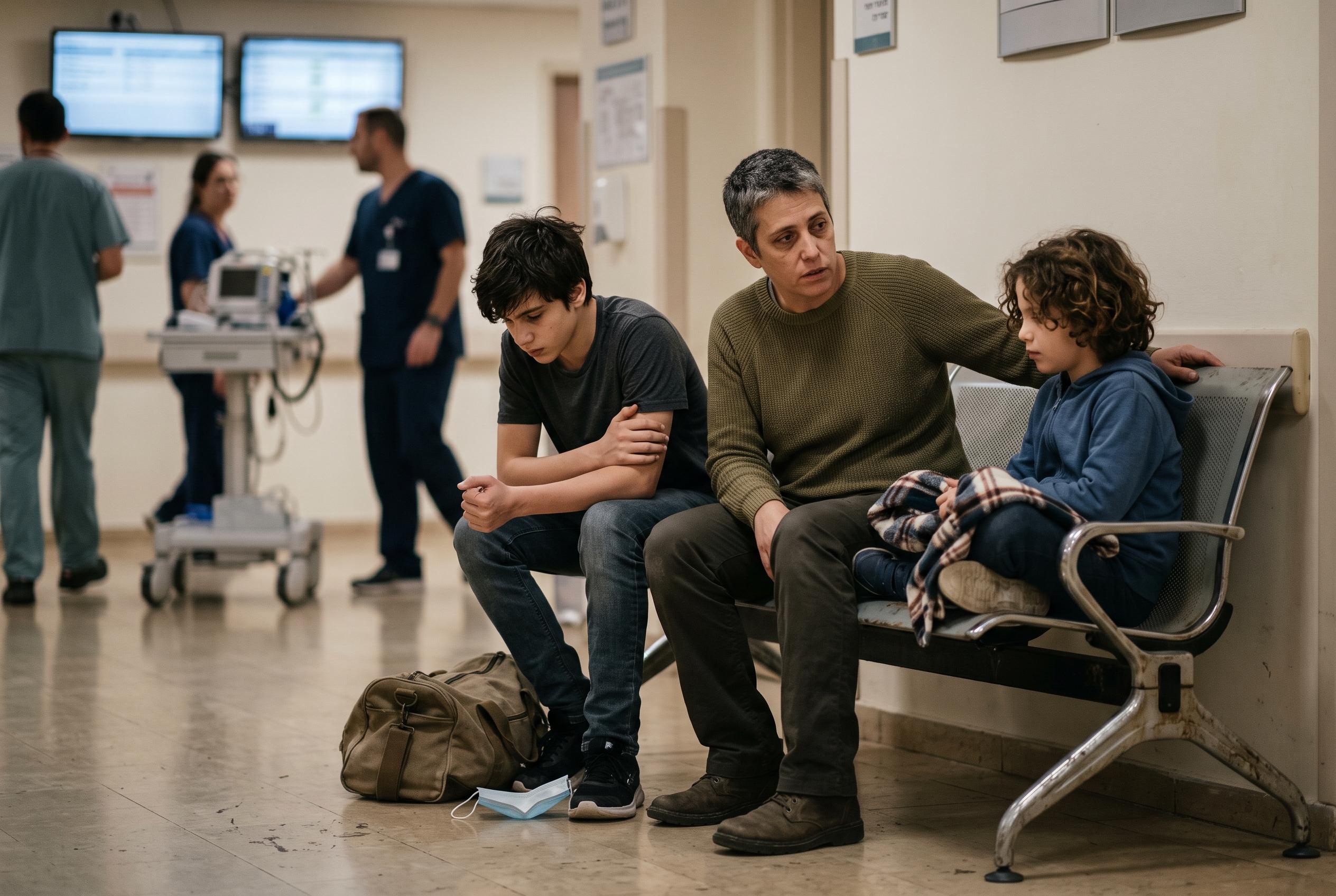

Analysis of Clalit Health Services report reveals a surge in psychiatric emergencies among Israeli youth and evacuees amid ongoing conflict, with anxiety and PTSD diagnoses soaring and stress impacting mental and physical health.
Children and teenagers in Israel have been arriving at psychiatric emergency departments in far greater numbers since the outbreak of the war on 7 October 2023, with visits up 121% compared with the two years before the fighting began, according to a Clalit Health Services report published on Sunday. The findings suggest the conflict has deepened an already serious mental health burden, particularly for younger patients and people uprooted from their homes in the south and north of the country.
Clalit, Israel’s largest health provider, said diagnoses of anxiety disorders rose 45.5% over the period it examined, while post-traumatic stress disorder cases doubled. The increases did not fade as the war dragged on. Instead, they remained elevated across all three years covered in the report, pointing to a prolonged strain on mental healthcare services rather than a short-lived spike after the initial shock of the Hamas attack.
The sharpest rise was seen among evacuees. In communities near the Gaza border, PTSD diagnoses were 18 times higher in the first year of the war than before it began, then 11 times higher in the second year and six times higher in the third, according to the report. Clalit said people displaced from the north also experienced marked deterioration in both mental and physical health, including higher rates of high blood pressure and cholesterol-related conditions. Among evacuated children from southern Israel, prescriptions for bed-wetting medication climbed 47.8%, a sign, clinicians say, that stress is affecting the youngest patients in less visible ways.
Dr Yarden Levinsky, who heads Clalit’s mental health division, told Haaretz that the numbers should not be read as a simple measure of when trauma occurred. A diagnosis of PTSD can emerge long after the event that triggered it, he said, and many people delay seeking help while trying to protect their families and keep daily life going. Levinsky said the persistence of the figures shows many Israelis are not recovering in the way they might after an isolated crisis. A separate study published in ScienceDirect last year also found a rise in psychiatric emergency visits in Israel after the October 2023 attack, reinforcing the picture of a wider and continuing mental health impact.
Disclaimer: This content is for informational purposes only and is not intended to be a substitute for professional medical judgment, advice, diagnosis, or treatment.



