
A government-backed pilot programme providing one-to-one counselling to primary school children has significantly improved their emotional control, resilience, and coping skills. The findings could lead to a nationwide expansion of mental health support within schools.
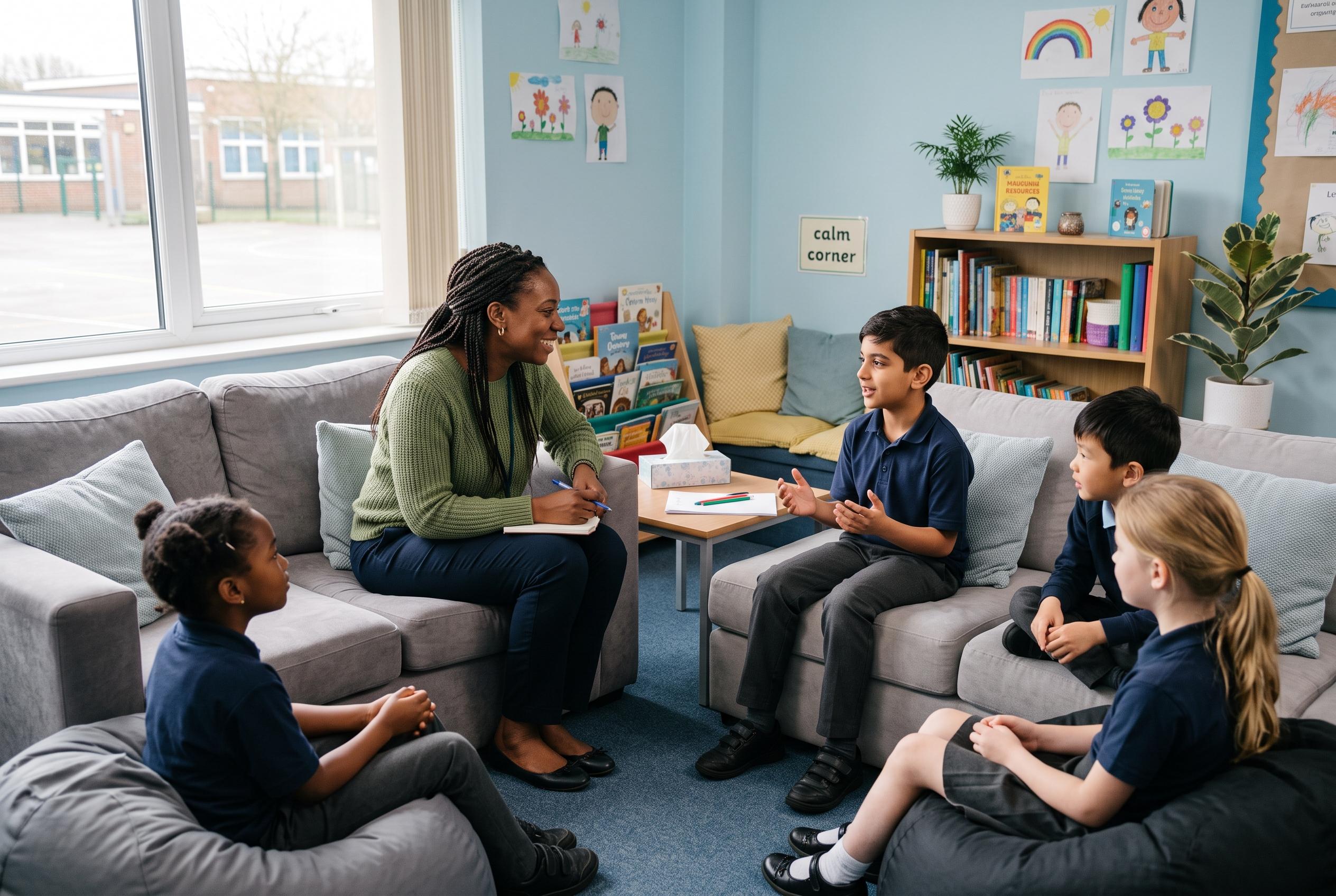
Young children who take part in one-to-one counselling sessions in primary school can improve their emotional control, resilience and coping skills, according to a Government-backed evaluation due to be published by Minister for Education Hildegarde Naughton on Wednesday. The report, carried out by the National Education Psychological Service and evaluated by the Centre for Effective Services, examines a pilot programme designed to offer in-school counselling to pupils with mild to moderate mental health needs. It is expected to find that the support was well received by children, parents, school leaders and staff. According to the Department of Education, the initiative was first launched in June 2023 as part of a €5 million package of mental health supports for primary schools. The pilot began in seven counties: Cavan, Laois, Leitrim, Longford, Mayo, Monaghan and Tipperary.
The findings are likely to strengthen the case for widening the programme beyond the original pilot areas. Department documents show that the scheme was built around two strands: direct counselling for selected pupils and broader school-based wellbeing support delivered through Education Wellbeing Teams. Those teams, working under the supervision of NEPS psychologists, were intended to help schools address emerging wellbeing needs early and to support parents and staff as well as children. The department said the model was designed to fit within the school setting, making help easier to access for families who might otherwise struggle to reach specialist services.
The pilot has already been expanded in stages. In October 2024, then minister for education Norma Foley announced that it would extend to 61 urban DEIS primary schools in Tallaght, Clondalkin, Finglas, Ballymun and Darndale, areas identified as facing higher levels of disadvantage. Separate department material also set out how Education Wellbeing Teams were being introduced in clusters of schools in Cork, Carlow, Dublin 7 and Dublin 16, with a focus on whole-school prevention, psycho-educational support and early intervention. The additions suggest the Government has been testing both targeted counselling and wider wellbeing measures as part of the same policy effort.
For schools, the report is expected to provide evidence that in-school mental health support can do more than respond to difficulties after they emerge. If the conclusions are accepted, the programme is likely to be broadened further across the country. That would mark a notable shift in how primary schools are used to support children’s emotional development, moving the emphasis from referral after problems arise to intervention within the school day itself.
Disclaimer: This content is for informational purposes only and is not intended to be a substitute for professional medical judgment, advice, diagnosis, or treatment.