

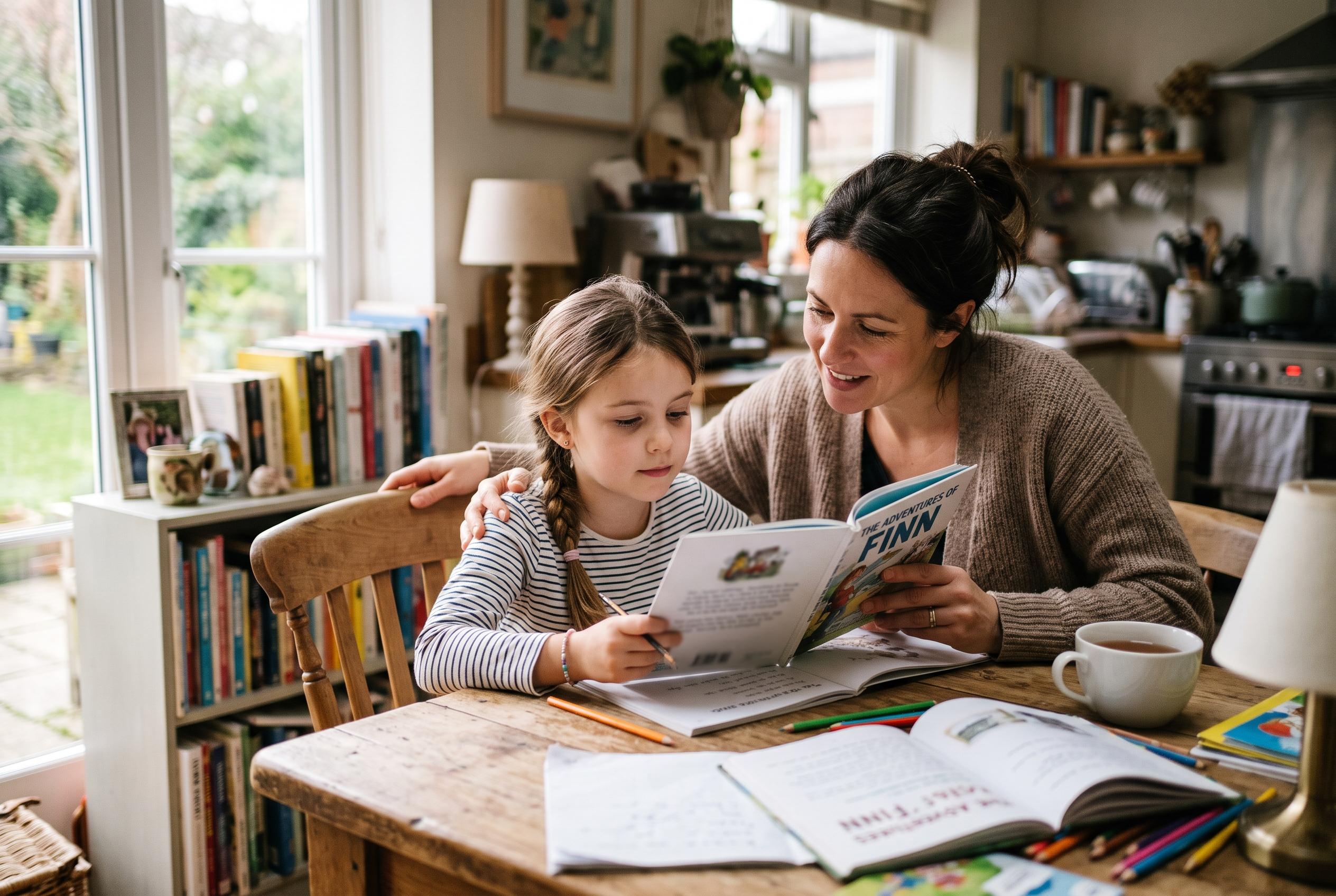

Early support, positive reading routines and a focus on strengths can help children with dyslexia cope with academic pressure without allowing the condition to define them.
For children with dyslexia, school can become a daily reminder of what feels hard. Reading aloud, spelling, finishing work on time and keeping pace with classmates can chip away at confidence, and the strain can spread well beyond the classroom. Parents and caregivers often see the emotional effects before anyone else: hesitation, frustration, avoidance and, in some cases, a child who begins to doubt their own intelligence. Yet dyslexia does not define a child’s ability, creativity or future. According to Atlanta Parent, the goal is not to erase dyslexia, but to help a child understand that it is only one part of who they are.
One of the hardest pressures for many children is comparison. When classmates seem to read more easily or complete tasks faster, a child with dyslexia may start to feel as though they are falling behind through no fault of their own. Cleveland Clinic says parents should watch for signs such as trouble with reading and spelling and seek help early if concerns arise. At home, experts including Healthline recommend praising effort rather than results, keeping reading routines positive and using tools such as mnemonic devices to support memory. The message children need most is that extra effort does not mean lesser ability.
That emotional support matters because struggle can show up in ways that are easy to misread. Atlanta Parent notes that school avoidance, headaches, stomachaches, irritability, anxiety and comments such as “I’m stupid” can all signal a child who is overwhelmed rather than unwilling. If those patterns continue, it may be time to speak with a teacher, school counsellor or paediatrician and revisit classroom supports. Sensational Kids and Dyslexia UK both stress that children do best when adults adapt learning to the child, rather than expecting the child to fit a single method. Multisensory teaching, structured routines and practical classroom adjustments can reduce frustration and help children experience success.
Outside academics, it helps to broaden the definition of what counts as achievement. A child may shine in art, sport, music, building, humour, leadership or technology, and those strengths can be an anchor when school feels discouraging. Atlanta Parent advises families to talk openly about dyslexia in age-appropriate language so that children can explain their needs without shame. LDExplained also recommends keeping reading present in everyday life, whether through favourite books, graphic novels, magazines or newspapers, so the habit of reading remains connected to interest rather than anxiety.
Parents, too, may need space to process what a diagnosis means. Relief, guilt, sadness, frustration and grief can all appear at once, especially if the signs were missed for a while. But dyslexia is not caused by parenting, and constant worry can unintentionally add pressure. Atlanta Parent encourages parents to advocate firmly while still making it clear that a child is not a problem to be fixed. Cleveland Clinic and other child-focused resources suggest a practical, steady approach: early support, supportive routines, patience and a home environment that values persistence. For many families, the most powerful message is simple: dyslexia may change the path, but it does not have to limit the destination.
Disclaimer: This content is for informational purposes only and is not intended to be a substitute for professional medical judgment, advice, diagnosis, or treatment.



