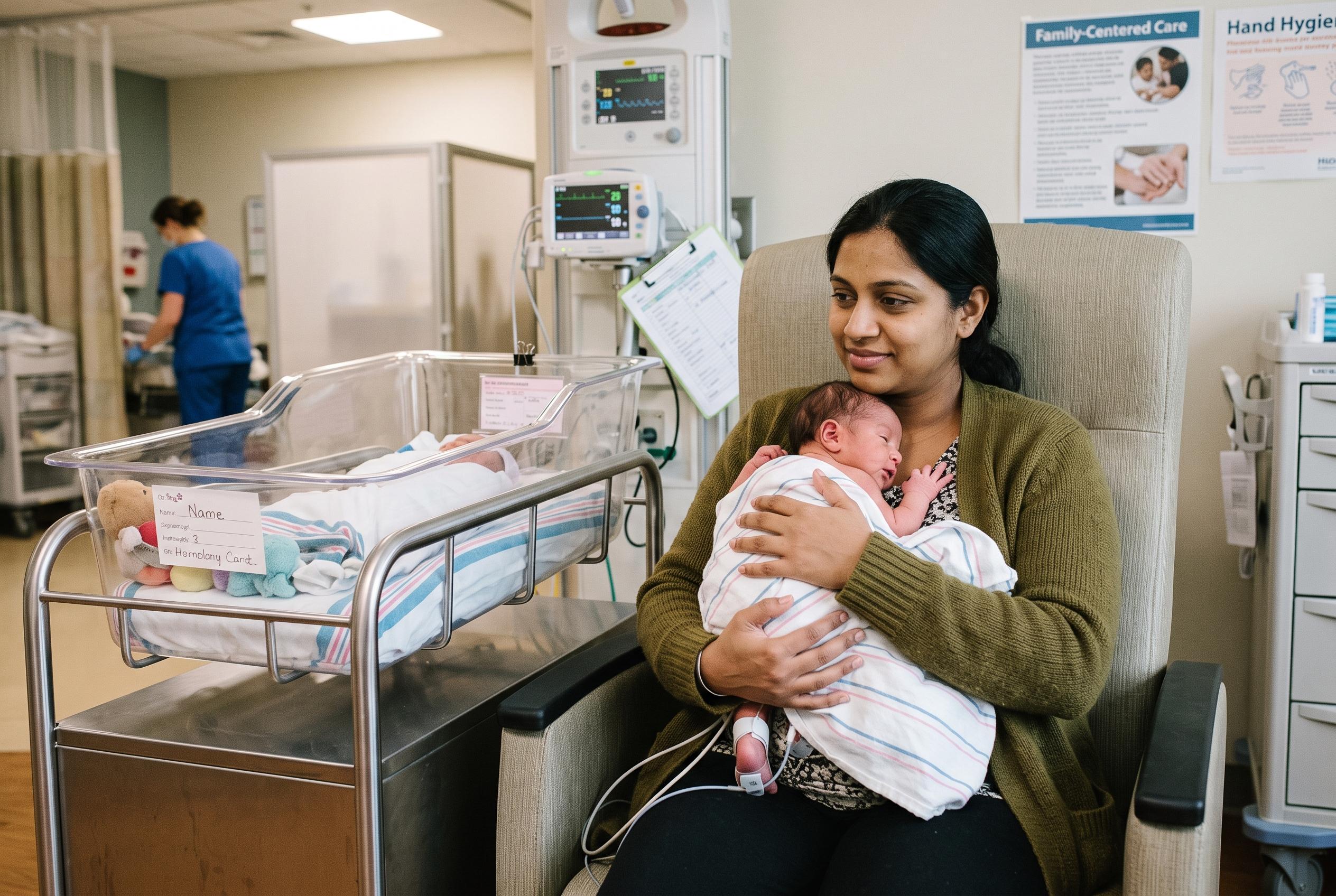

A comprehensive review of research highlights that simple, targeted hospital support strategies such as psychotherapy, family-centred care, and bonding activities can alleviate anxiety, stress, and depression among parents of NICU infants, with benefits extending beyond discharge.
Parents of babies in the neonatal intensive care unit often leave the hospital with more than memories of a difficult stay. According to Claire E. Niehaus Milligan, a paediatric psychologist at Cincinnati Children’s Hospital Medical Centre, the emotional strain can linger long after discharge, affecting anxiety, stress and depression in ways that may shape family relationships well beyond the newborn period.
That concern helped drive a systematic review and meta-analysis of research published between 2010 and 2024, which examined hospital-based support for parents in the NICU. The review covered 160 studies involving 16,639 parents, most of them mothers, and found that psychotherapy was the most consistent intervention for easing anxiety, stress and depression. The findings build on earlier research showing that NICU-focused support can modestly reduce parental distress, particularly when families receive structured teaching and guidance early in the admission.
Other approaches also showed benefits. Family-centred care and education were linked with lower anxiety and stress, while bonding interventions such as kangaroo care, or skin-to-skin contact, were associated with less anxiety. Mindfulness and other holistic approaches appeared to help with stress, and expressive therapies, including art and music, were tied to lower depression. A separate review published in 2022 found similar signals for mindfulness and relaxation-based programmes, especially for anxiety, although the evidence for stress was less consistent.
The practical message for hospitals is that not every intervention needs to be complex or costly. Niehaus Milligan said some of the most useful steps are simple ones: involving parents in rounds, explaining what is happening clearly and listening carefully when families describe what they are going through. She also said fathers and other caregivers are too often overlooked, even though some studies suggest they too benefit from psychotherapy, bonding support and peer groups. Earlier trials of parent-empowerment programmes have also found better parental mental health and, in some cases, shorter hospital stays for infants, although a separate post-discharge peer-support study did not show added benefit over usual care. Experts say more long-term research is still needed, particularly beyond 12 months after discharge and across different types of caregivers.
Disclaimer: This content is for informational purposes only and is not intended to be a substitute for professional medical judgment, advice, diagnosis, or treatment.