

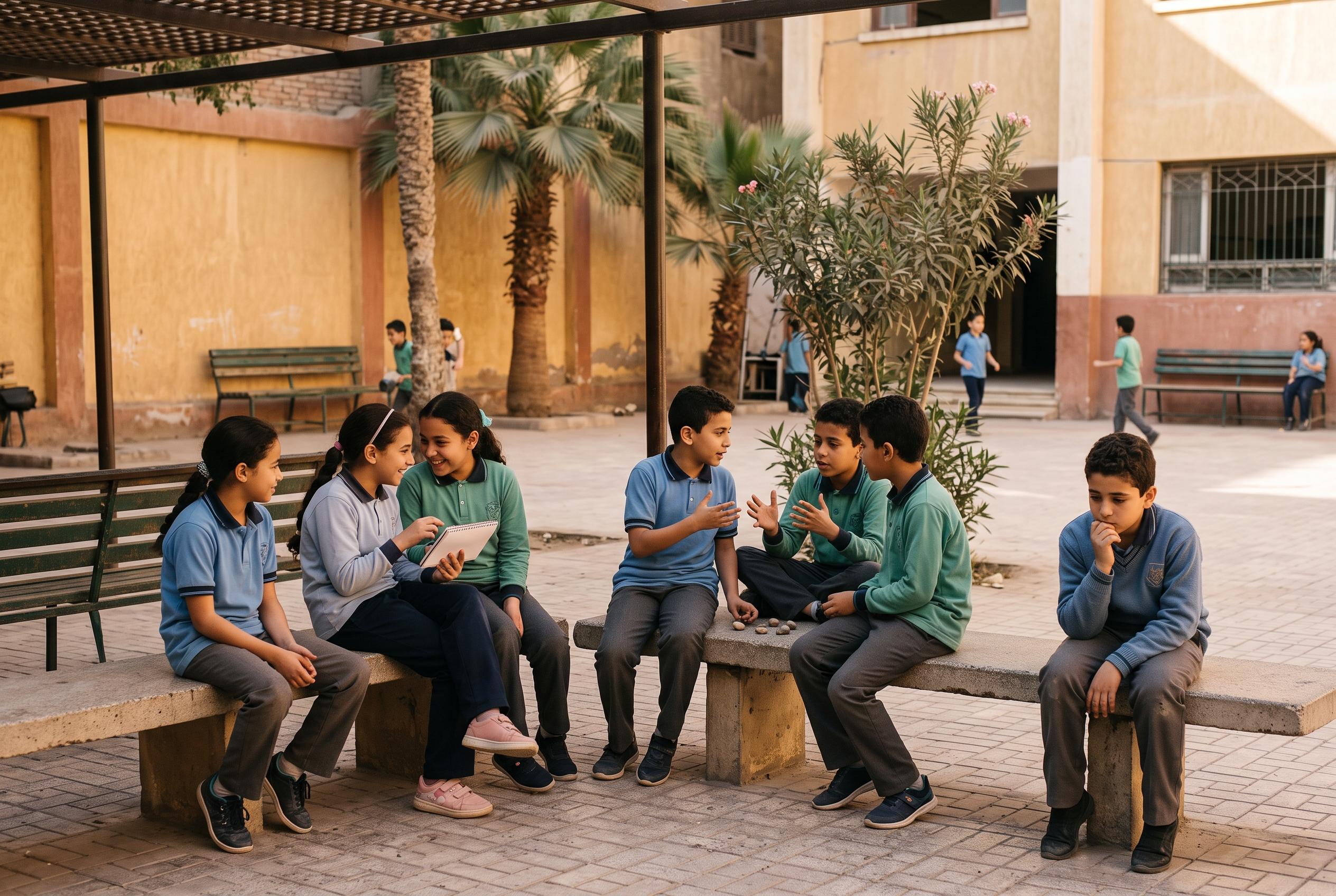

A study of 391 Egyptian children links high sensory processing sensitivity with increased emotional difficulties, while also finding lower hyperactivity and stronger prosocial behaviour.
A study of Egyptian children suggests that sensory processing sensitivity is not a rare or abstract trait, but one that is linked to clear differences in emotional wellbeing. Published in BMC Pediatrics, the research found that children who scored as highly sensitive were far more likely to have emotional difficulties than their less sensitive peers. The work adds to a growing body of evidence that some children respond more intensely to sensory and social experiences than others, and that this can shape mental health in ways parents and teachers may not always notice at first glance.
The researchers surveyed 391 parents of children aged four to 17, recruiting them through online platforms. Using established questionnaires, they assessed both sensory processing sensitivity and a range of emotional and behavioural difficulties. About one in ten of the children met the threshold for high sensitivity, a figure that sits within the range reported in other populations. The study also found that almost half of the children in the sample had scores suggesting elevated psychological difficulty, with emotional problems emerging as the most common concern.
What stood out most was the gap between sensitive and less sensitive children on emotional symptoms. Highly sensitive children were much more likely to fall into the at-risk range for worries, unhappiness, nervousness and fearfulness. At the same time, they were less likely to show hyperactivity and less likely to have weaker prosocial behaviour, the kind of warm, helpful conduct that supports friendships and family life. That mix matters because it suggests the trait is not simply a marker of vulnerability; it may also travel with calmer behaviour and stronger social awareness.
The study fits with earlier research showing that sensory processing sensitivity can make children more responsive to their surroundings, for better and worse. A paper in the Journal of Experimental Psychology: General found that highly sensitive children were especially affected by negative parenting when it came to prosocial behaviour, while work in Development and Psychopathology suggested that children with higher sensitivity may be more strongly shaped by harsh or unpredictable environments. Taken together, those findings support the idea that sensitive children may be more reactive to both supportive and stressful settings than other children.
The Egyptian study has important limits. Because it was cross-sectional, it cannot show whether sensitivity leads to emotional problems or whether the two simply occur together. It also relied on parent reports, which may not capture every aspect of a child’s experience, and the online recruitment method may have left some families out. Even so, the findings offer one of the clearest pictures yet of sensory processing sensitivity in Egyptian children and point to a practical message for caregivers: children who seem easily overwhelmed may not be misbehaving or overreacting, but processing the world more deeply than others. Understanding that difference could help adults respond with more patience, better support and earlier intervention when needed.
Disclaimer: This content is for informational purposes only and is not intended to be a substitute for professional medical judgment, advice, diagnosis, or treatment.



