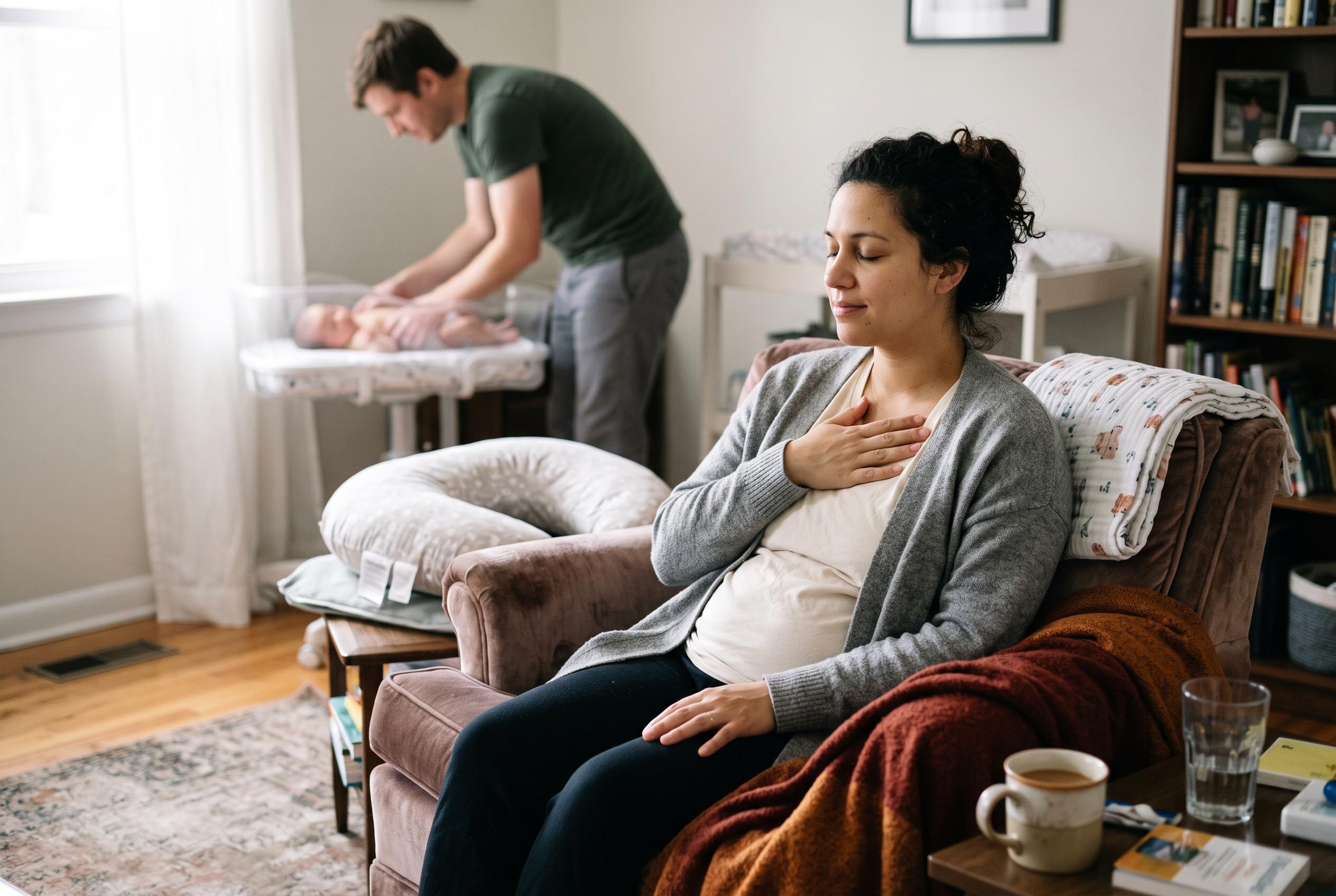

Simple, discreet body-based exercises rooted in polyvagal theory are gaining traction among new parents seeking quick relief from postpartum anxiety, highlighting a shift towards accessible calming tools in maternal mental health.
Postpartum anxiety can feel less like ordinary worry and more like a body-wide alarm that will not switch off. In the fourth trimester, when sleep is broken, hormones are shifting and recovery from birth is still under way, even small triggers can set off racing thoughts, a pounding heart or a sense that something is about to go wrong. According to Postpartum Support International’s blog, that is why many parents need more than advice about changing negative thoughts; they need tools that act on the body itself.
That is the logic behind polyvagal techniques, which are rooted in the idea that the vagus nerve helps regulate the nervous system’s response to safety and threat. In practical terms, these exercises aim to move the body out of fight-or-flight mode and back towards a calmer state. Writers at Nerali Well and Phoenix Health describe similar body-based approaches for parents, while HealFrame’s short reset exercises and NeurIntl Lab’s polyvagal toning sequence point to a growing interest in quick calming methods that can be used in real life, not just in therapy.
The appeal for new parents is that these tools are simple and discreet. Guarnotta recommends a long sigh with two quick nasal inhales followed by a slow exhale, humming or singing, cold water on the face or wrists, noticing objects in the room and gentle self-touch such as a hand on the chest or a self-hug. Other guides, including Phoenix Health’s toolkit, echo the use of extended exhales, humming and cold-water splashes, while some resources package the same principles into short routines that take only a couple of minutes.
These techniques are not a cure-all, and they are not meant to replace professional care. If anxiety is persistent, severe or getting in the way of feeding, sleeping or coping day to day, Postpartum Support International says help is available through its free, confidential support line and referrals to perinatal mental health providers. The broader message is reassuring: postpartum anxiety is common, and it does not mean a parent is failing. It means the nervous system is under strain, and with support it can settle again.
Disclaimer: This content is for informational purposes only and is not intended to be a substitute for professional medical judgment, advice, diagnosis, or treatment.