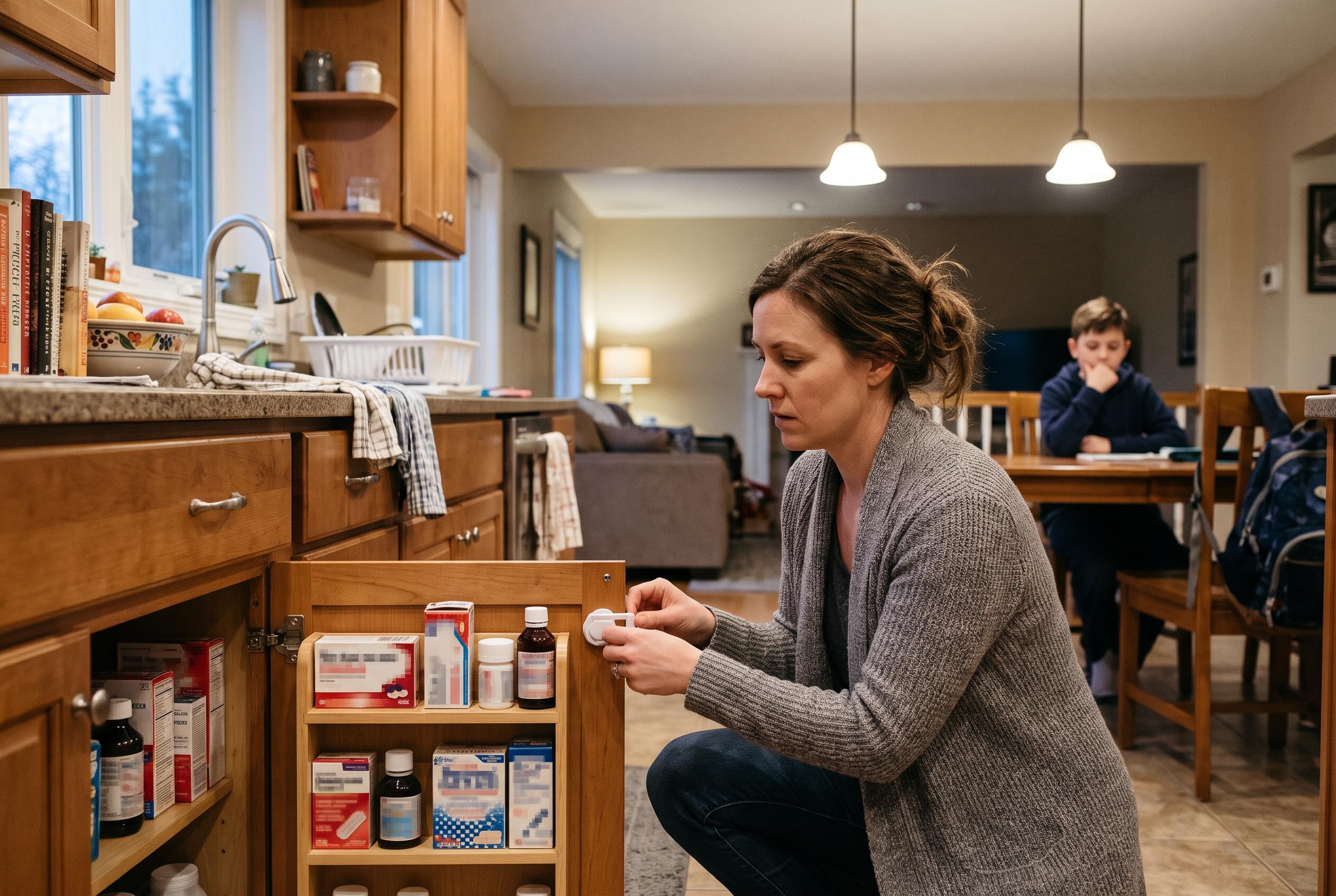

Police in St. Marys are urging families to secure medicines and discuss the potentially fatal risks of social media dares after a middle school student was taken to hospital.
A middle school student in St. Marys, Georgia, was taken to hospital after reportedly ingesting too much Benadryl, prompting police to warn families about the dangers of the social media-driven “Benadryl Challenge”. The St. Marys Police Department confirmed the hospitalisation to Bullying Sin Fronteras and urged parents to talk to children about risky online dares that can spread quickly among teenagers.
The case comes amid long-running warnings from health authorities about diphenhydramine, the active ingredient in Benadryl. The U.S. Food and Drug Administration has said that taking more than the recommended dose can cause serious poisoning, including heart problems, seizures, coma and death. The agency says it has received reports of teenagers ending up in emergency rooms, and in some cases dying, after taking part in the challenge on social media platforms such as TikTok.
Medical experts have also warned that the trend can create a false impression that misuse of an over-the-counter medicine is harmless. The Cleveland Clinic says large doses can trigger hallucinations, confusion, high body temperature, a racing heart, blurred vision, nausea, vomiting and urinary retention, with severe cases leading to death. The American Academy of Pediatrics has similarly urged clinicians and parents to speak openly with children about the risks and to watch for signs of medication misuse.
Authorities have not identified the student or given further details about the child’s condition. Police and health officials advise families to keep medicines secured and out of sight, read dosing instructions carefully and seek immediate help if an overdose is suspected. In the United States, Poison Control can be reached at 1-800-222-1222, and emergency services should be called at once if a child is in danger.
Disclaimer: This content is for informational purposes only and is not intended to be a substitute for professional medical judgment, advice, diagnosis, or treatment.