

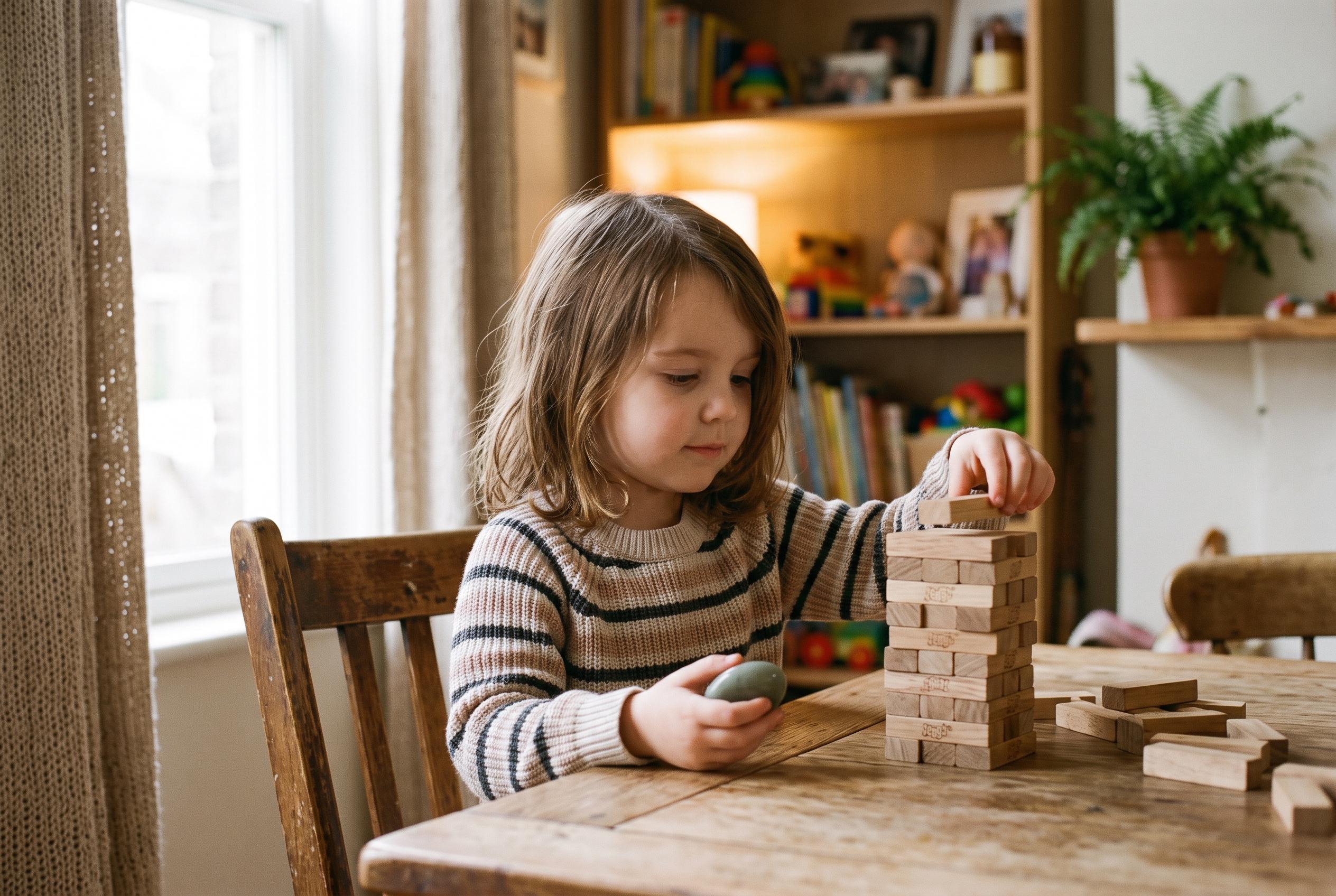

Hands-on games and creative exercises can help children recognise anxious thoughts, practise calming techniques and build confidence in everyday situations.
Children who worry easily often need more than reassurance. According to CounselingingEssentials.org, anxiety can be a passing reaction to a new school, a move or a major test, but for some children it becomes a daily problem that affects learning, family life and friendships. The article argues that games and hands-on activities can help children understand what they are feeling and practise coping in a way that feels less like a lesson and more like play.
One approach is to turn calming techniques into something children can hold, move or imagine. CounselingingEssentials.org suggests making worry stones from clay or smooth rocks so children have a physical object to squeeze when they feel overwhelmed. It also recommends grounding exercises that ask children to name what they can see, hear, touch, smell and taste, which helps bring attention back to the present moment. Other ideas include blowing bubbles or throwing paper aeroplanes as a symbolic way to let worries go, and using play to explore the difference between things children can control and things they cannot.
The same idea runs through the rest of the activities. The article points to superhero role play as a confidence builder, while building games such as Jenga or card towers can help children practise handling uncertainty. Another exercise, “True or Not True”, asks children to sort facts and opinions, helping them distinguish between realistic thoughts and fears that are exaggerated or unhelpful. CounselingingEssentials.org says the key is to add questions and learning points to familiar games so they become tools for coping rather than distractions.
That approach fits with wider advice from child health and mental health specialists. HealthyChildren.org, the parenting site of the American Academy of Pediatrics, says parents can support anxious children by recognising signs early, keeping communication open, building healthy routines and knowing when to seek professional help. Other resources, including Anxiety.org, PBS KIDS for Parents and ChildrenPsych.com, suggest similar ideas such as deep breathing, quiet corners, creative expression, movement, calm-down jars and sensory play. Taken together, the message is clear: small, repeated exercises can give children practical ways to manage anxiety at home, at school and in everyday life.
Disclaimer: This content is for informational purposes only and is not intended to be a substitute for professional medical judgment, advice, diagnosis, or treatment.



