

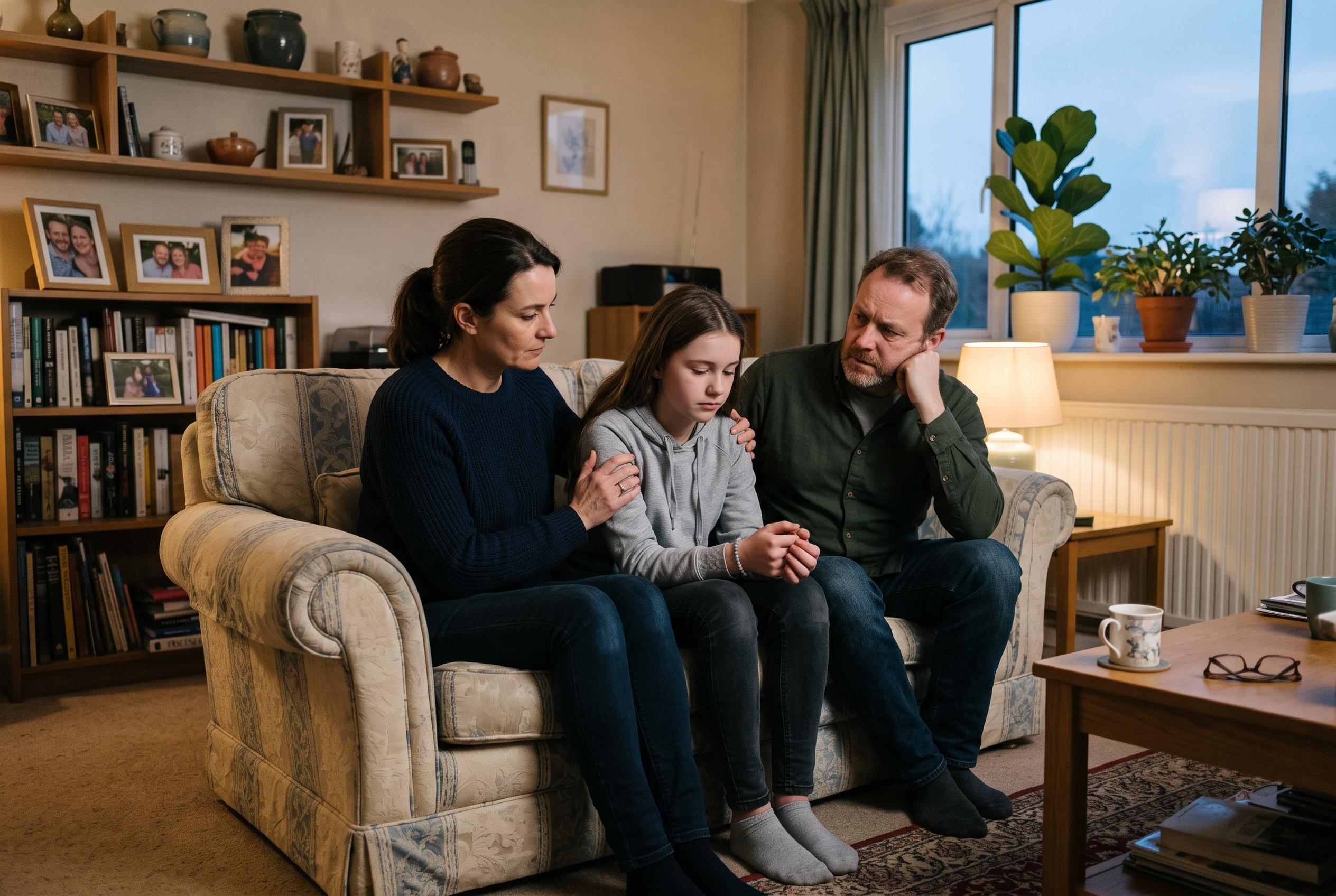

Interviews with New Zealand caregivers reveal long waits, limited guidance and lasting trauma as parents shoulder much of the burden of treating adolescent anorexia nervosa.
Caregivers supporting adolescents with anorexia nervosa in New Zealand say family-based treatment can feel less like a therapy programme than a prolonged crisis, according to a qualitative study in the International Journal of Eating Disorders. The research, based on interviews with 12 caregivers, found that parents and other carers often entered treatment already frightened, exhausted and frustrated by delays in specialist help, then found themselves carrying much of the burden of refeeding and day-to-day monitoring with limited guidance.
The study describes a system many caregivers experienced as hard to access and slow to respond. Families reported long waits, rigid thresholds for help and encounters with clinicians who did not always recognise how serious the illness had become. Some said they were left to do their own research and effectively teach themselves how anorexia nervosa works, while their child was worsening. Others recalled feeling shocked by the speed with which their lives changed once the diagnosis became clear, particularly when the young person still appeared outwardly capable in school, sport or social life.
Once treatment began, many caregivers said the responsibility placed on them was far heavier than they had anticipated. Family-based treatment is designed to make parents central to recovery, especially in the early phase when they are expected to oversee eating and interrupt disordered behaviour. But in this study, caregivers often felt they were given too little practical direction, too little time with clinicians and too little acknowledgement of how frightening and unfamiliar that role was. Some said sessions focused more on the adolescent than on helping parents build confidence, leaving them feeling isolated and underprepared.
The study also found that many caregivers sought support beyond the formal treatment system. Friends who had lived through similar experiences, online forums and New Zealand support organisations such as Eating Disorders Carer Support New Zealand and the Eating Disorders Association of New Zealand were described as especially valuable. Caregivers said those sources offered practical tips, reassurance and the sense that someone finally understood what they were facing. By contrast, people in their wider lives often could not grasp the intensity of the experience.
The emotional effects did not end when treatment stopped. Many participants said the period had taken such a toll that they continued to feel fragile, hypervigilant and easily triggered long afterwards. Some described avoiding reminders of the illness or struggling to talk about what had happened, even after their child had improved. The researchers said these accounts resembled trauma-related stress, although they did not formally assess post-traumatic stress disorder.
The study argues that family-based treatment in real-world settings needs stronger support for caregivers, not just for the adolescent patient. The authors say care should include clearer early guidance, more time for parent-focused work, better acknowledgement of caregiver distress and a more deliberate role for lived-experience support. They also call for trauma-informed adaptations that recognise the strain parents may carry throughout treatment and after it ends.
The findings may be especially relevant in New Zealand, where specialist eating disorder services are concentrated in urban centres and service pressures have been rising. The researchers say this context can intensify the sense that families are navigating a life-threatening illness with too little backing. They conclude that better-resourced, more responsive care could improve not only caregiver wellbeing but also the chances of recovery for young people with anorexia nervosa.
Disclaimer: This content is for informational purposes only and is not intended to be a substitute for professional medical judgment, advice, diagnosis, or treatment.



