
Experts emphasise the importance of regular, quality sleep for children and teenagers to support learning, behaviour, and emotional balance, offering practical tips for families to improve sleep routines amid growing concerns over insufficient rest.
Sleep is often treated as a nightly routine, but for children and teenagers it is also part of learning, memory and emotional balance. According to the Colegio de la Inmaculada Jesuitas psychologist Verónica Palacios, schoolchildren generally need between 9 and 12 hours of sleep a night, while adolescents need 8 to 10 hours. The US Centers for Disease Control and Prevention gives the same age-based guidance, underlining that sleep supports attention, memory and emotional regulation.
When children do not get enough rest, the effects can show up during the school day. The CDC says insufficient sleep is linked with attention and behaviour problems and can undermine academic performance, while Cleveland Clinic notes that too little sleep may contribute to concentration difficulties and behavioural changes. Palacios said tired pupils may struggle to focus in class, feel sleepy during the day and become more irritable.
The problem is not only how long children sleep, but how consistently they do so. The National Heart, Lung, and Blood Institute says sleep needs vary by age, but also by individual circumstances, and recommends seeking medical advice if problems continue. The Sleep Foundation advises keeping a steady bedtime and wake time, building a calm evening routine and creating a dark, quiet sleep environment.
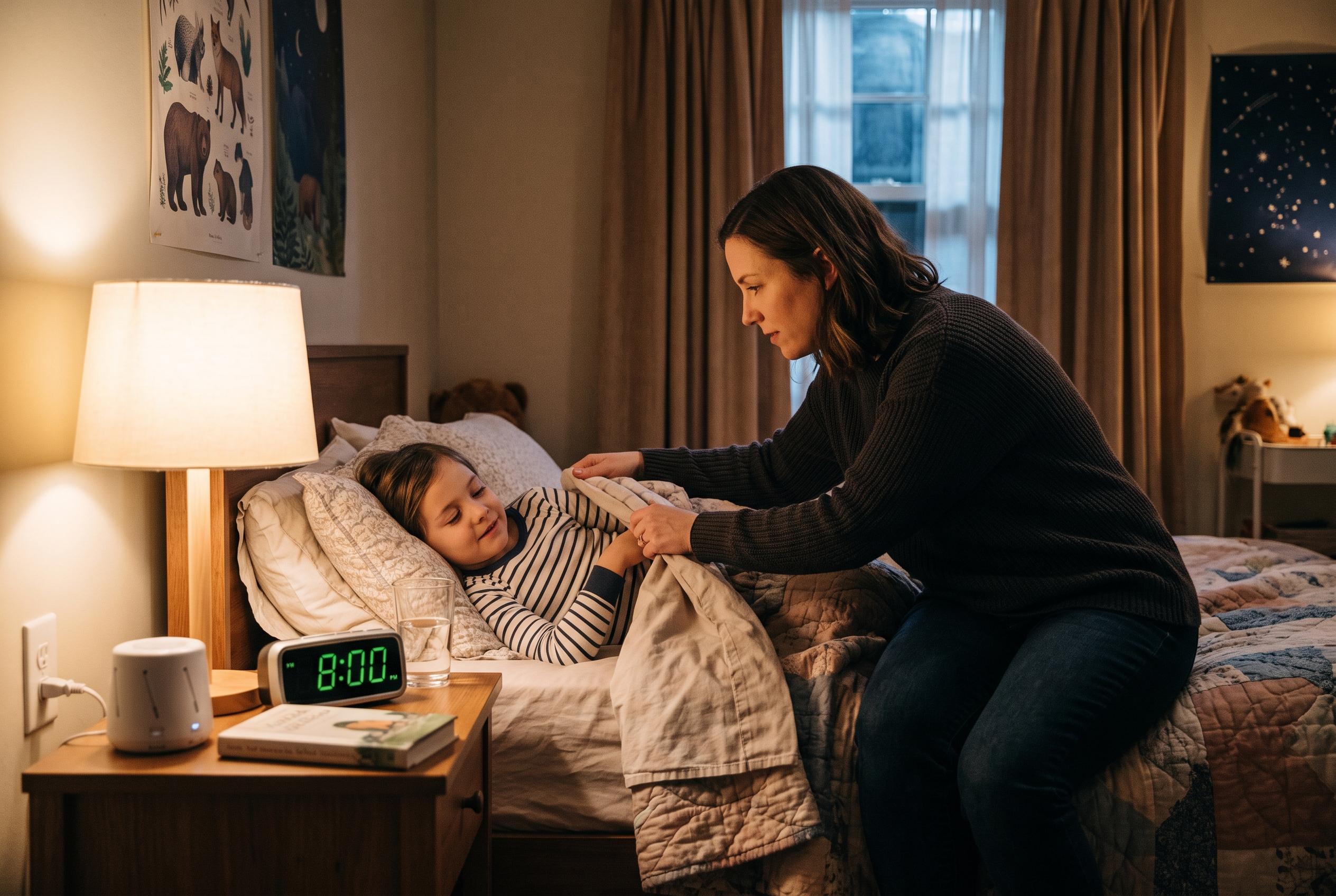
Palacios offered several practical steps for families: keep bedtimes and wake times as regular as possible, reduce screens before sleep, and avoid overloading the evening with activities that leave children rushed and overstimulated. Reading, quiet conversation, light music or breathing exercises can help signal that it is time to rest. A bedroom that is comfortable, orderly and free from noise may also improve the quality of sleep.
Parents should also look out for warning signs that a child is not sleeping well, including daytime sleepiness, mood changes, poor concentration and falling school performance. Palacios said families should consult a paediatrician if a child keeps waking at night, snores regularly or still seems tired in the morning despite changes at home. The broader message from health authorities is simple: sleep is not lost study time, but a condition for learning and well-being.
Disclaimer: This content is for informational purposes only and is not intended to be a substitute for professional medical judgment, advice, diagnosis, or treatment.