
Guidance from paediatric experts emphasises early planning, routine building, and open communication to help children manage anxieties as the new school year approaches, with special attention for those with medical needs.
As the new school year approaches, many children feel a mix of anticipation and unease. The return to classrooms can mean seeing friends again, joining sports or activities and settling back into a familiar rhythm, but it can also stir worries about new teachers, stricter expectations and earlier mornings. Guidance from Johns Hopkins Medicine and other paediatric experts suggests the most helpful response is to start preparation early and treat those feelings as normal rather than alarming.
Parents are encouraged to talk openly about what is making a child nervous and to listen without trying to minimise the concern. Cleveland Clinic and Harvard Health both note that children often need their feelings named and validated before they can move on to practical coping strategies. That may mean acknowledging that it is hard to leave home, adjust to a new schedule or face social pressures after weeks away from school. Experts also advise watching for signs that anxiety is becoming more than a passing worry, such as headaches, stomach aches, sleep disruption or avoiding school-related activities.
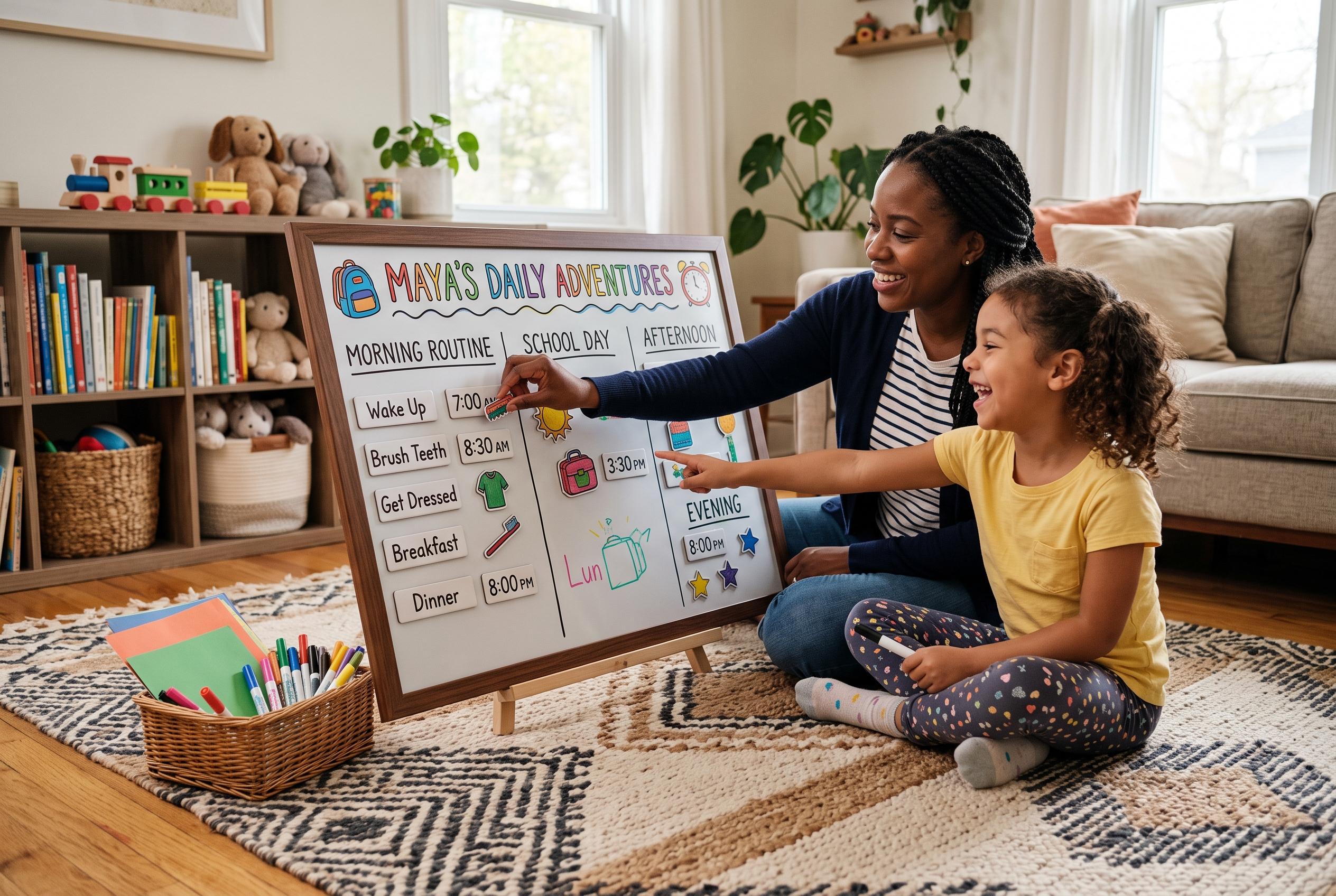
Routine is a major part of easing the transition. Johns Hopkins Medicine recommends shifting bedtimes and wake-up times before school starts, while MercyOne and the Kids Mental Health Foundation advise rebuilding predictable habits at home in the days and weeks before classes resume. That includes limiting screen time before bed, keeping mealtimes regular and helping children get enough sleep for their age. Experts also stress the value of daily physical activity, which can reduce stress and improve sleep.
Practical preparation can make the return feel less daunting. Visiting the school, meeting the teacher, finding the classroom and walking the halls can reduce fear of the unknown, according to Johns Hopkins Medicine and the Kids Mental Health Foundation. Families can also involve children in picking lunch items, preparing school supplies and planning after-school routines. Some experts suggest arranging time with familiar friends before school starts so children have a reassuring connection as they re-enter the classroom.
For children with medical needs, preparation should include a clear plan between parents, doctors and school staff. The lead article recommends scheduling immunisations, check-ups and sports physicals early, then sharing action plans for conditions such as allergies, asthma or diabetes with the school nurse and relevant staff. It also advises families to ask about formal accommodations where needed, including a 504 plan or an individualised education programme. If anxiety continues for more than a few weeks or is accompanied by major behavioural changes, several of the experts recommend speaking with a paediatrician, therapist or school counsellor.
Disclaimer: This content is for informational purposes only and is not intended to be a substitute for professional medical judgment, advice, diagnosis, or treatment.